Search LEMIX Products
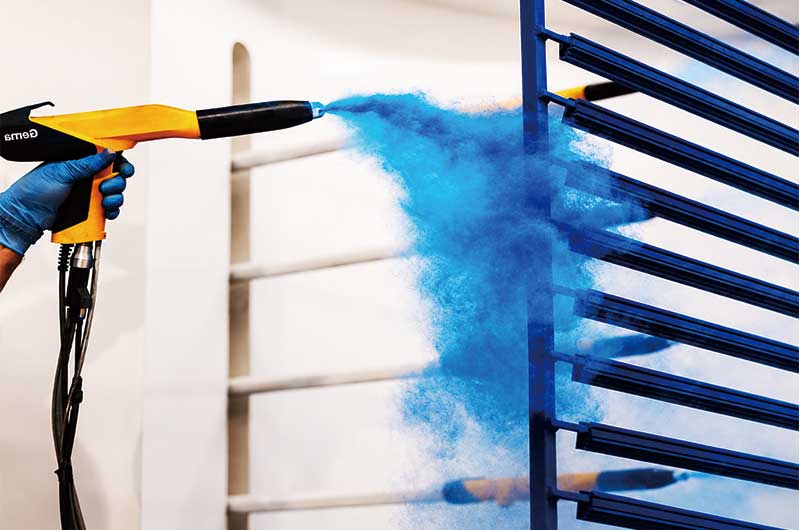
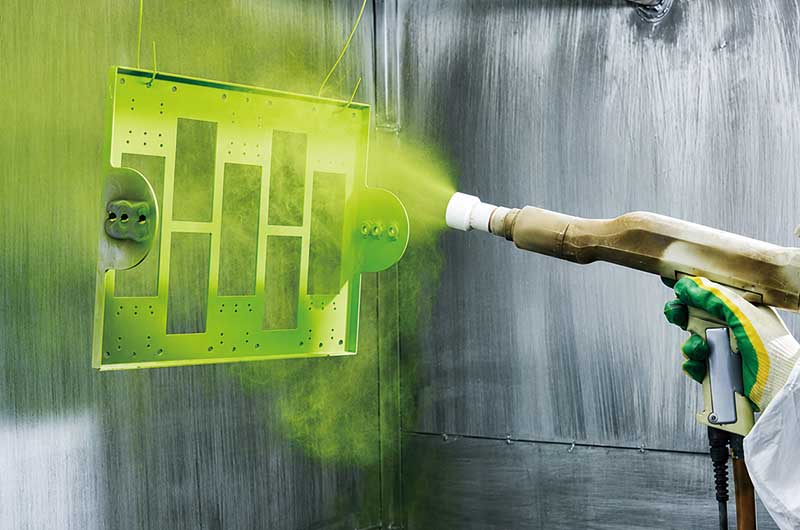
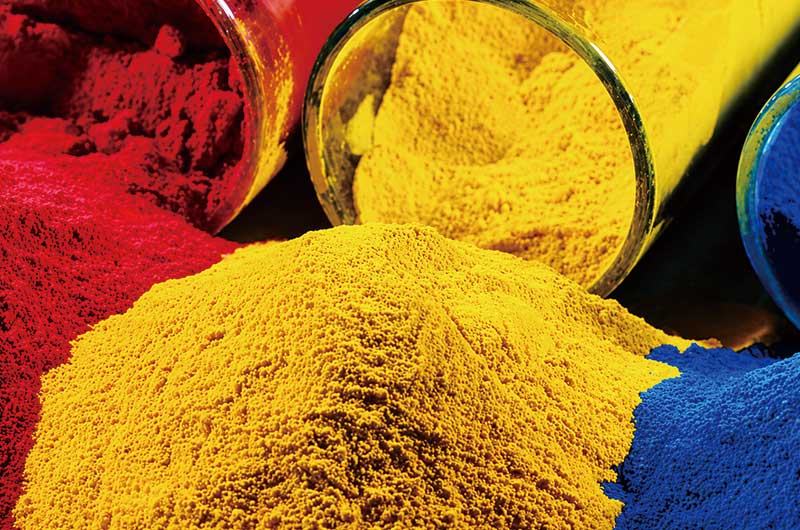
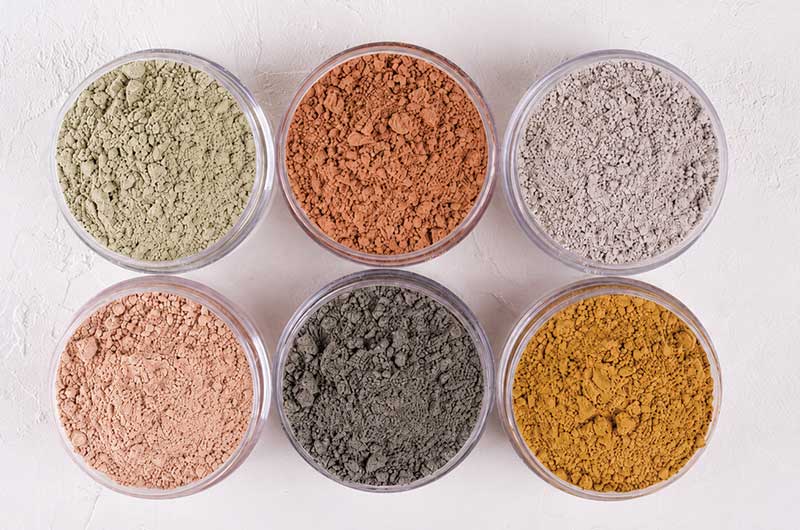
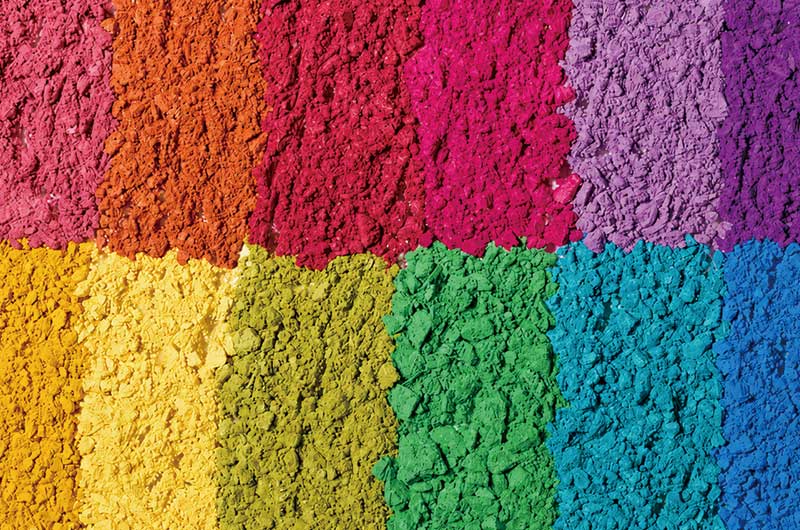
Powder coating is an eco-friendly coating material with zero solvents and 100% solid content. It is typically applied onto workpiece surfaces via electrostatic spraying or fluidized bed processes, then cured into a solid film under heat. It features outstanding anti-corrosion and wear resistance, with zero VOC emissions during production. It is widely used for metal products, automotive components, home appliance casings and other applications.
Thermoset powder coatings: Cross-linking reactions take place during baking to form a dense protective film, delivering excellent heat resistance and chemical resistance.
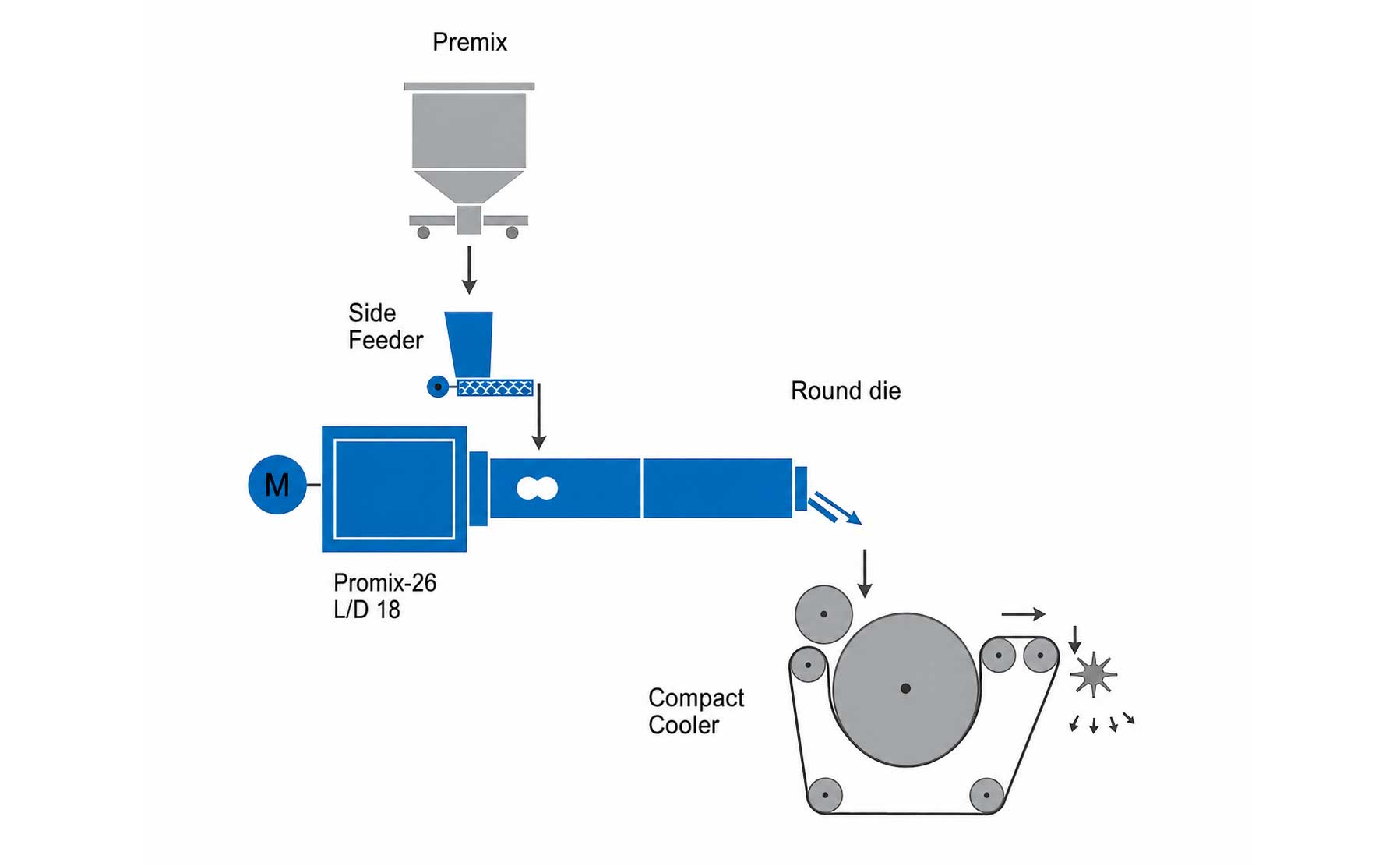
The core compounding equipment for powder coatings is the twin-screw extruder. Its primary function is to heat and melt pre-blended resin, pigments, fillers and additives, then homogenize them thoroughly under intense shear force to achieve complete integration of all components. This constitutes the most critical process step that determines the final quality of powder coatings, including gloss, leveling performance and mechanical properties.
Process Requirements for Powder Coating Melt Compounding
To avoid premature cross-linking and curing of coatings inside the barrel (commonly referred to as gelation), compounding extruders must feature the following core designs:
Precise Temperature Control
The barrel is divided into multiple independent temperature zones, equipped with high-precision water cooling and electric heating systems, maintaining a processing temperature range of 90°C to 120°C.
Short Material Residence Time
Materials only stay inside the extruder for 15 to 30 seconds to prevent thermal degradation of resin systems.
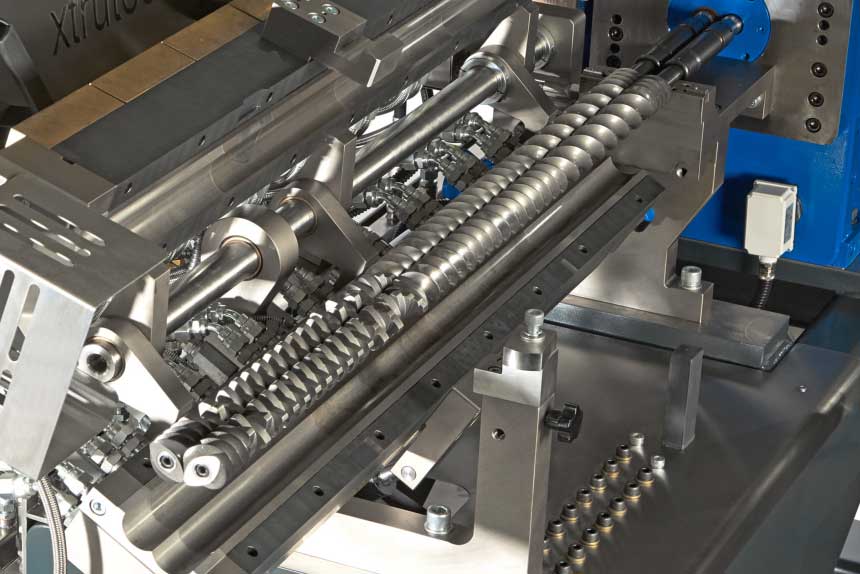
Quick-Open Clamshell Barrel Structure
The barrel adopts a split clamshell design, enabling full access to screws for thorough cleaning during formula changeovers or production line purging.
In typical production lines, a flaker cooling machine is directly connected to the extruder outlet. The molten compound is immediately pressed into thin ribbons, air-cooled rapidly, then conveyed to the milling unit for final grinding and particle classification.
Quick-Open Clamshell Barrel Structure
The barrel adopts a split clamshell design, enabling full access to screws for thorough cleaning during formula changeovers or production line purging.
Precise Temperature Control
The barrel is divided into multiple independent temperature zones, equipped with high-precision water cooling and electric heating systems.Temperature control range: ±1°C
Customized barrels are generally available with length-to-diameter ratios ranging from 14:1 to 24:1. This ensures the material residence time inside the extruder is maintained at only 15–30 seconds to avoid thermal degradation.
Large volume ratio
Larger free screw channel volume and screw rotational speed up to 1,200 rpm deliver boosted production output.