
Search LEMIX Products
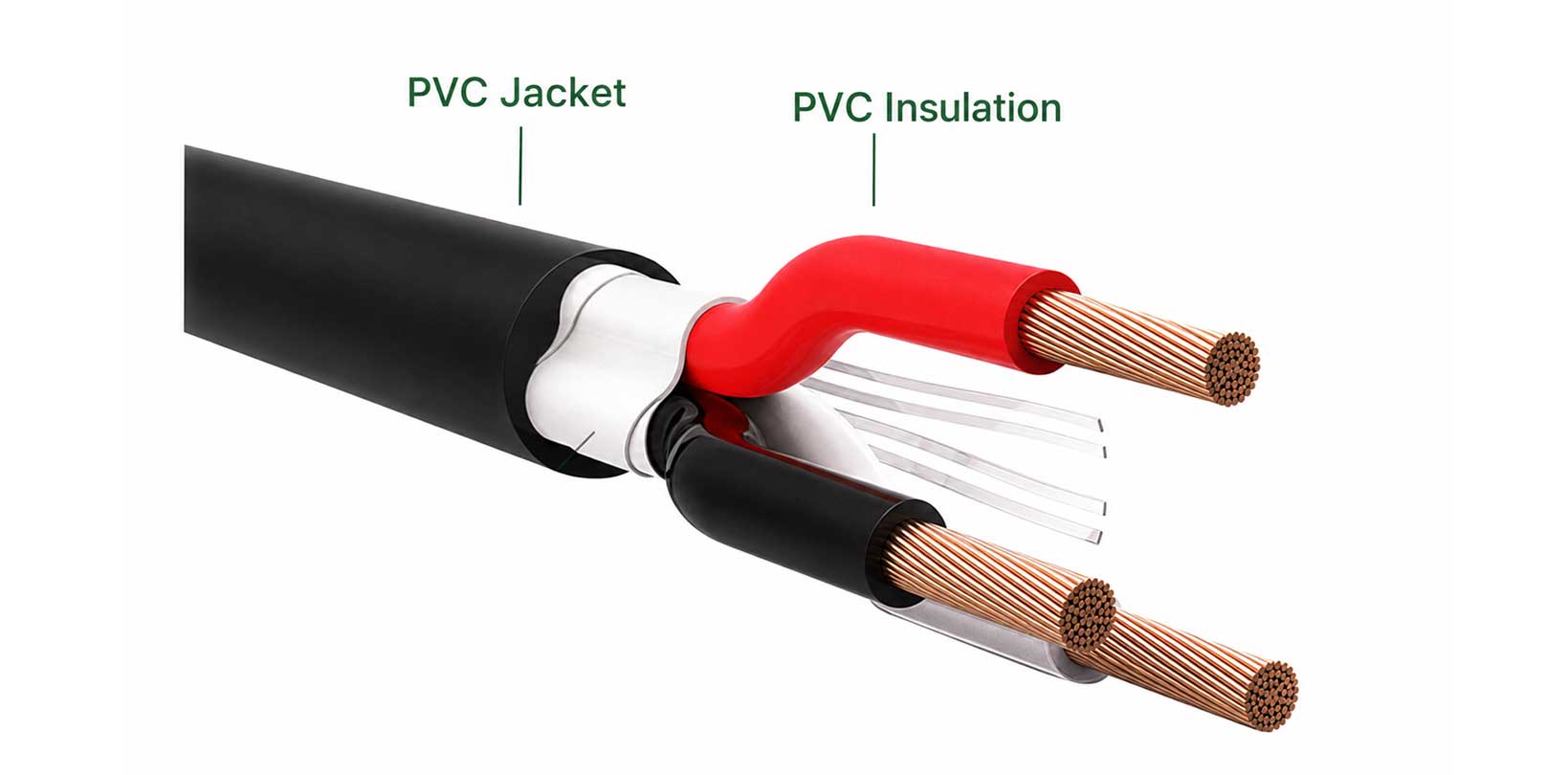
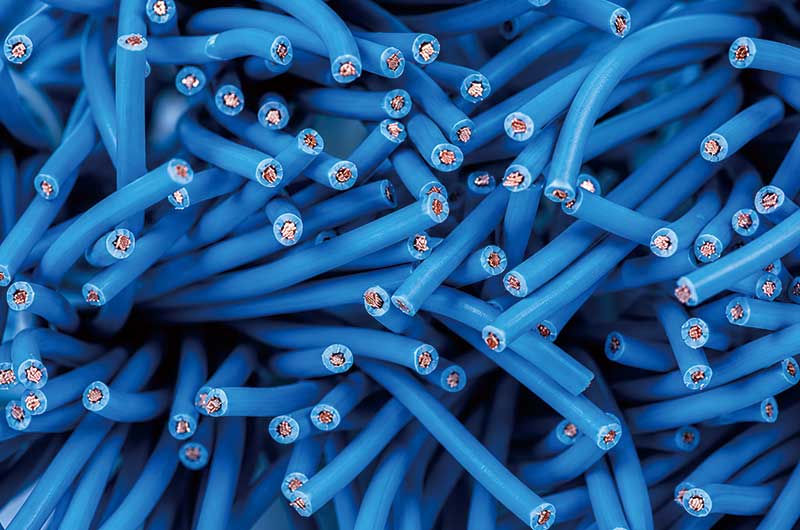
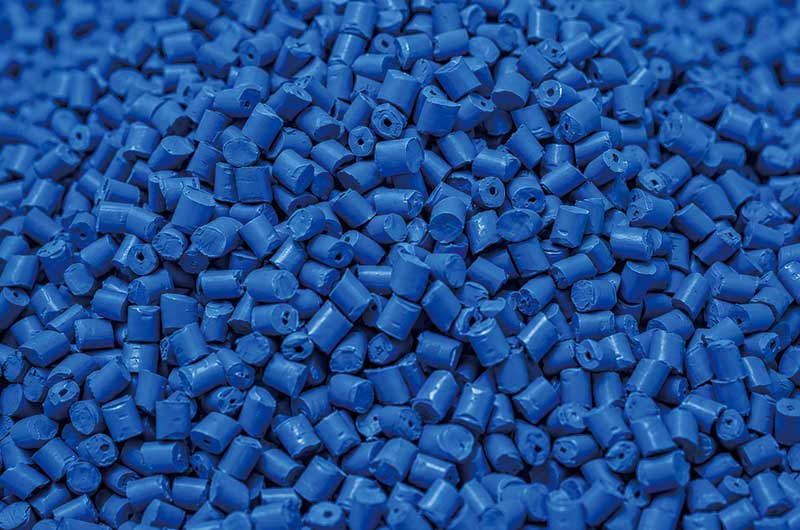
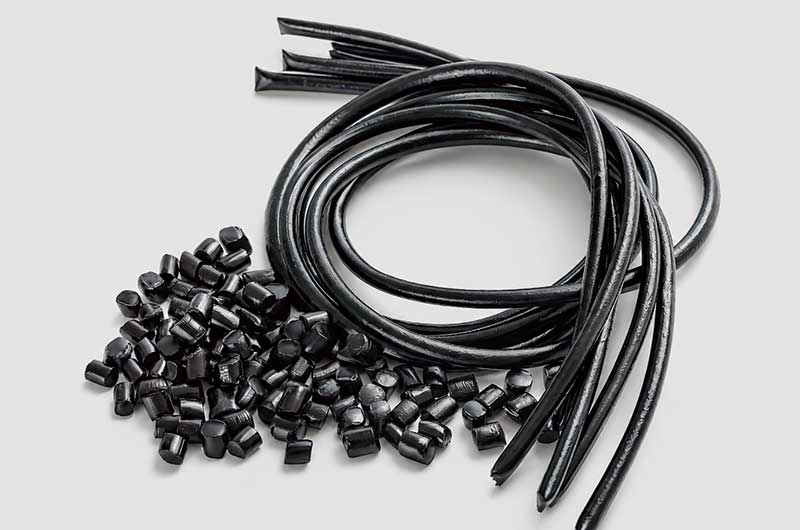
PVC cable compound (polyvinyl chloride cable compound) takes polyvinyl chloride resin as the base material. By adding plasticizers, stabilizers, lubricants, fillers, etc., and through processes such as mixing, kneading, and extrusion, it is made into granular materials. It is mainly used in the manufacture of the insulating and sheathing layers of power cables, communication optical cables, and various types of wires.
The Core Parameters Quality of PVC Cable Compound:
When evaluating the quality of PVC cable compound, the following core parameters usually need to be focused on:
Hardness (Shore A): It determines the softness of the cable. The insulating layer is usually harder than the sheathing layer.
Tensile strength & Elongation at break: These reflect the material's mechanical wear - resistance and tensile - resistance capabilities.
Volume resistivity: A core indicator for insulating - grade materials, usually required to be above 10¹² - 10¹⁴ Ω ⋅ cm.
Thermal aging test: After aging for several days at a specific high temperature (such as 135℃), the retained toughness and strength are measured.
Brittleness temperature: For conventional materials, it is around -15℃ to -25℃, and for cold - resistant types, it can reach below -40℃.
Therefore, matching the temperature, controlling the extrusion temperature, and controlling the moisture content of the PVC material are of crucial importance.
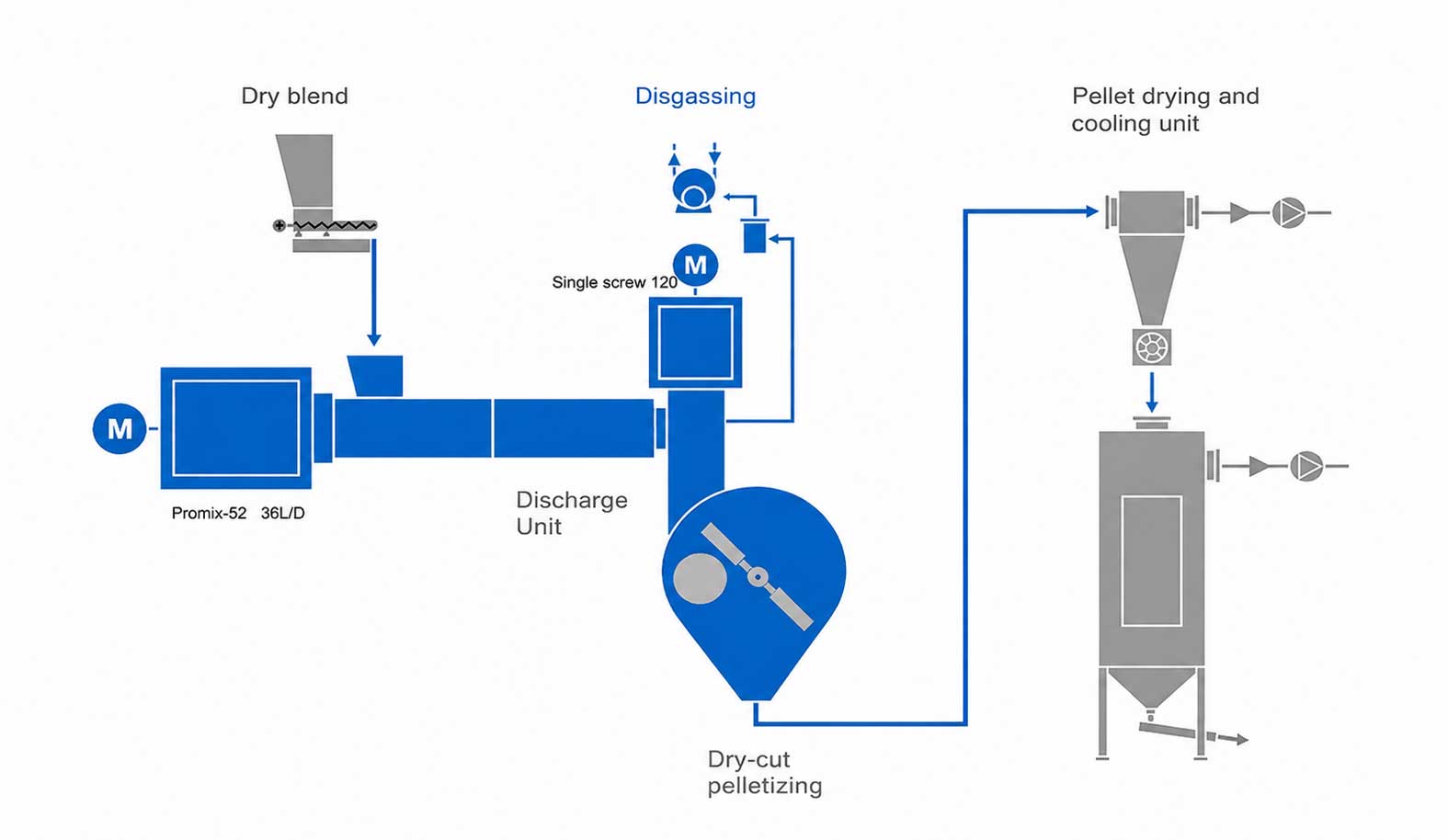
When processing PVC cable compound with a co - rotating twin - screw extruder (usually a two - stage granulation unit combining a co - rotating twin - screw and a single - screw extruder), since PVC is a heat - sensitive material, the design of process parameters must center around the core principle of "promoting full plasticization while strictly preventing degradation and discoloration caused by shear overheating".
Temperature setting for each zone of the barrel
The co - rotating twin - screw barrel generally has 8 - 10 heating zones. The overall temperature distribution usually shows a "saddle - shaped" or "gentle stepped - shaped" pattern. As PVC generates a large amount of frictional heat in the melting section, cooling water is usually required to reduce the set temperature in this area. Regardless of the set temperature of the barrel, the actual melt temperature measured by infrared must be controlled between 165℃ and 180℃. Once the melt temperature exceeds 185℃, PVC will decompose rapidly.
Control of main machine speed and feeding amount
The co - rotating twin - screw extruder adopts starve - feeding, and the output is completely determined by the feeder. Parameter adjustment needs to match the screw speed and torque.
It is recommended to maintain the filling rate in the screw at around 60% - 75%. For processing soft PVC cable compound, the speed of the co - rotating twin - screw should not be too high, usually controlled at 120 - 250 rpm (adjusted according to the screw diameter and output). Excessive speed will generate strong shear heat, which can cause PVC to char.
Monitoring indicators of system status
Percentage of main machine torque (Torque %): It is recommended to keep it stable between 65% and 80%.
Vacuum degree: The vacuum degree at the exhaust port must be stabilized between - 0.07 MPa and - 0.09 MPa. If the vacuum degree is insufficient, there will be a large number of tiny pores inside the granulated PVC particles, resulting in the insulation layer of subsequent cable and wire extrusion blowing bubbles or having a rough surface.
Pressure balance between the first - stage and second - stage: At the transition part from the co - rotating twin - screw to the single - screw, the pressure is generally controlled between 1.5 and 3.5 MPa to prevent material backflow.
1. Core Process Requirements
Pre-mixing: Cold & hot mixing to fully absorb plasticizers, cool material below 45°C to prevent caking and blooming; liquid metering feeding for high-plasticizer formulations.
Screw configuration: Co-rotating parallel twin-screw with low-shear modular elements, equipped with 2–3 stages of vacuum venting; wear & corrosion resistant barrel.
Temperature control: Low-temperature overall processing, melt temperature capped at 175°C; independent zone temperature control to avoid PVC degradation and plasticizer volatilization.
Production parameters: Medium-low screw speed to limit shear heat; high vacuum to remove moisture and small molecular volatiles; underwater/water ring pelletizing to stop soft pellets sticking together.
Formula matching: Balanced internal & external lubricants and matched stabilizers; side feeding of foaming agent for foamable PVC-P.
2. Key Processing Advantages
Superior mixing performance: Even dispersion for high-plasticizer and high-filler systems, no oil spots or blooming, consistent texture and transparency of finished products.
Stable conveying: Positive intermeshed conveying avoids slipping of high-oil powder, minimal batch fluctuation of output and hardness.
Excellent thermal stability: Short material residence time and precise temperature control reduce yellowing and black specks, ideal for medical-grade and transparent PVC.
Efficient devolatilization: Multi-stage vacuum thoroughly removes moisture and volatiles, eliminating pinholes and bubbles in pipes & films, delivering fine uniform cells for foam materials.
Easy material switching: Self-cleaning screw design without dead accumulation zones, faster purging for color/formula changes with less waste.
Multi-purpose flexibility: Adjustable screw combinations cover all flexible PVC grades including medical pellets, film, shoe-grade PVC-P, flooring and cable compounds.
High production capacity: Much higher throughput than single-screw extruders with identical size, high yield rate and lower overall production cost.