
Search LEMIX Products
WPC compounds is the abbreviation for Wood-Plastic Composites. As a new type of eco-friendly green material, it is manufactured by blending thermoplastics (such as polyethylene, polypropylene or polyvinyl chloride) with plant fibers (including wood flour, rice husks, straw, etc.) in specific proportions, adding auxiliary agents, and then undergoing compounding, extrusion or injection molding via special processes.
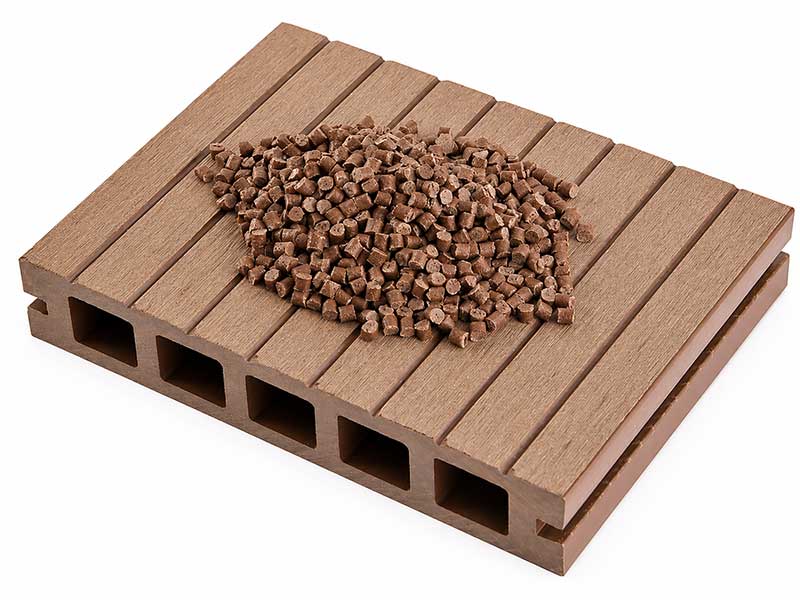
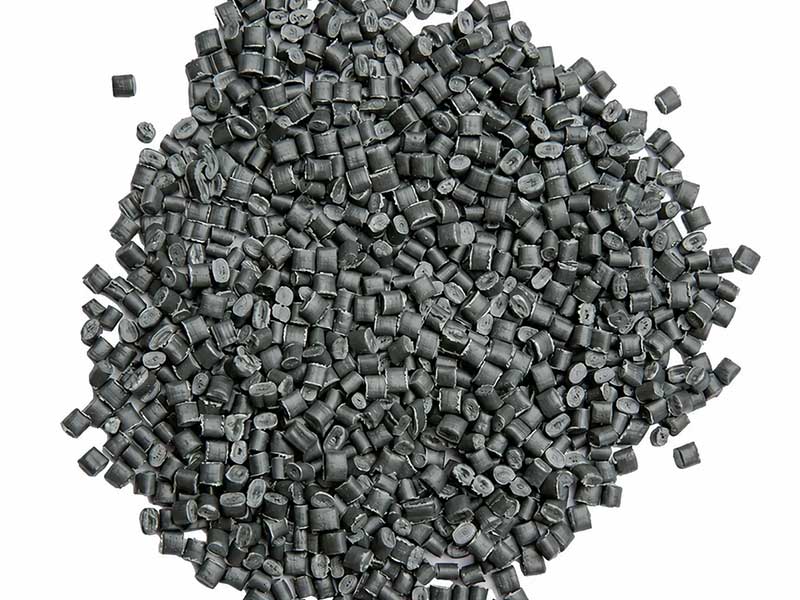
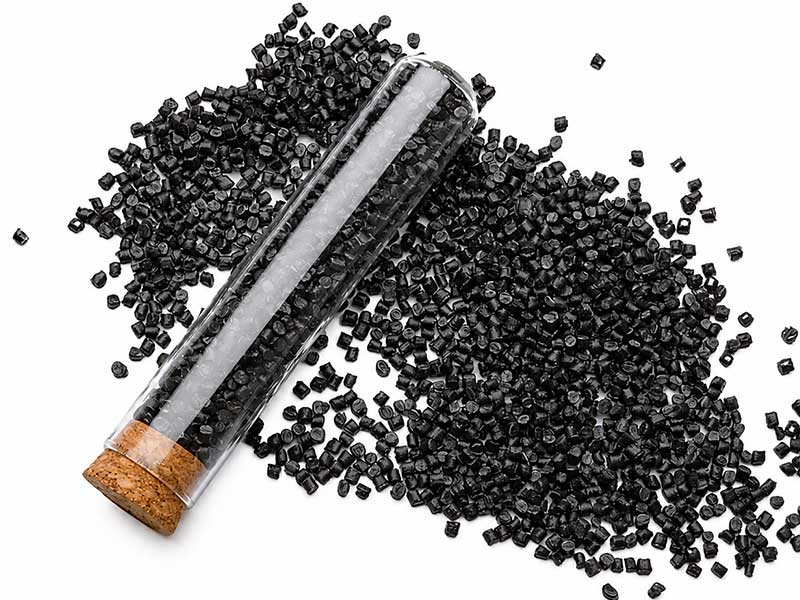
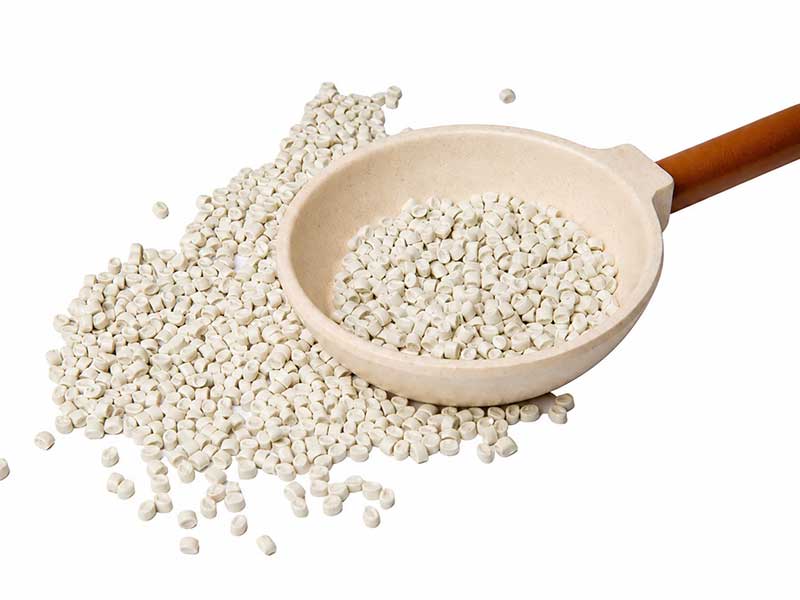
The WPC (Wood - Plastic Composite) granulation process is a procedure in which the plastic matrix, wood flour, and various processing aids are melted, mixed, plasticized at a specific temperature, and finally cut into granules. These granules are then sent to injection - molding or extrusion equipment to produce end - products. The core process of the granulation process can be divided into the following four main stages:
Pretreatment of raw materials (a crucial step)
Due to the strong water - absorbency of wood flour (or plant fibers), it must be dried first to reduce its moisture content to below 1% - 2%. Excessive moisture can cause air holes inside the granules, seriously affecting the strength of subsequent finished products.
High - speed mixing
The dried wood flour, plastic resin (such as PE, PP, PVC granules or powders), as well as coupling agents, lubricants, colorants, etc. are added to a high - speed mixer. Through high frictional heat, all components are evenly dispersed to form a "dry blend". The coupling agent (such as maleic anhydride grafted polyethylene MAPE) is of great importance as it can significantly enhance the interfacial bonding force between the wood flour (hydrophilic) and the plastic (hydrophobic).
Extrusion, melting, and plasticization
The well - mixed material is fed into a co - rotating parallel twin - screw extruder. The material undergoes heating, screw shearing, and melting inside the barrel. Precise temperature control is required in this stage (usually between 160℃ - 200℃, depending on the plastic matrix). If the temperature is too high, the wood flour is prone to coking and turning black. At the same time, the extruder must be equipped with a powerful vacuum exhaust system to remove residual moisture and volatile gases.
Granulation and cooling
The melted and plasticized material is extruded through a die head. According to the physical properties of the plastic matrix, the following two main granulation methods are used:
Air - cooled hot - cutting (the most commonly used): As soon as the material exits the die head, it is cut into granules in a hot state by a rotating flying knife, and then immediately blown into a cooling pipeline and a cyclone separator by high - pressure air for cooling. This method perfectly avoids the granules from absorbing water.
Water - ring granulation / water - jet granulation: This is mostly used for some specific matrices with relatively high viscosity. After granulation, a high - efficiency centrifugal dehydrator is required to quickly spin - dry the water.
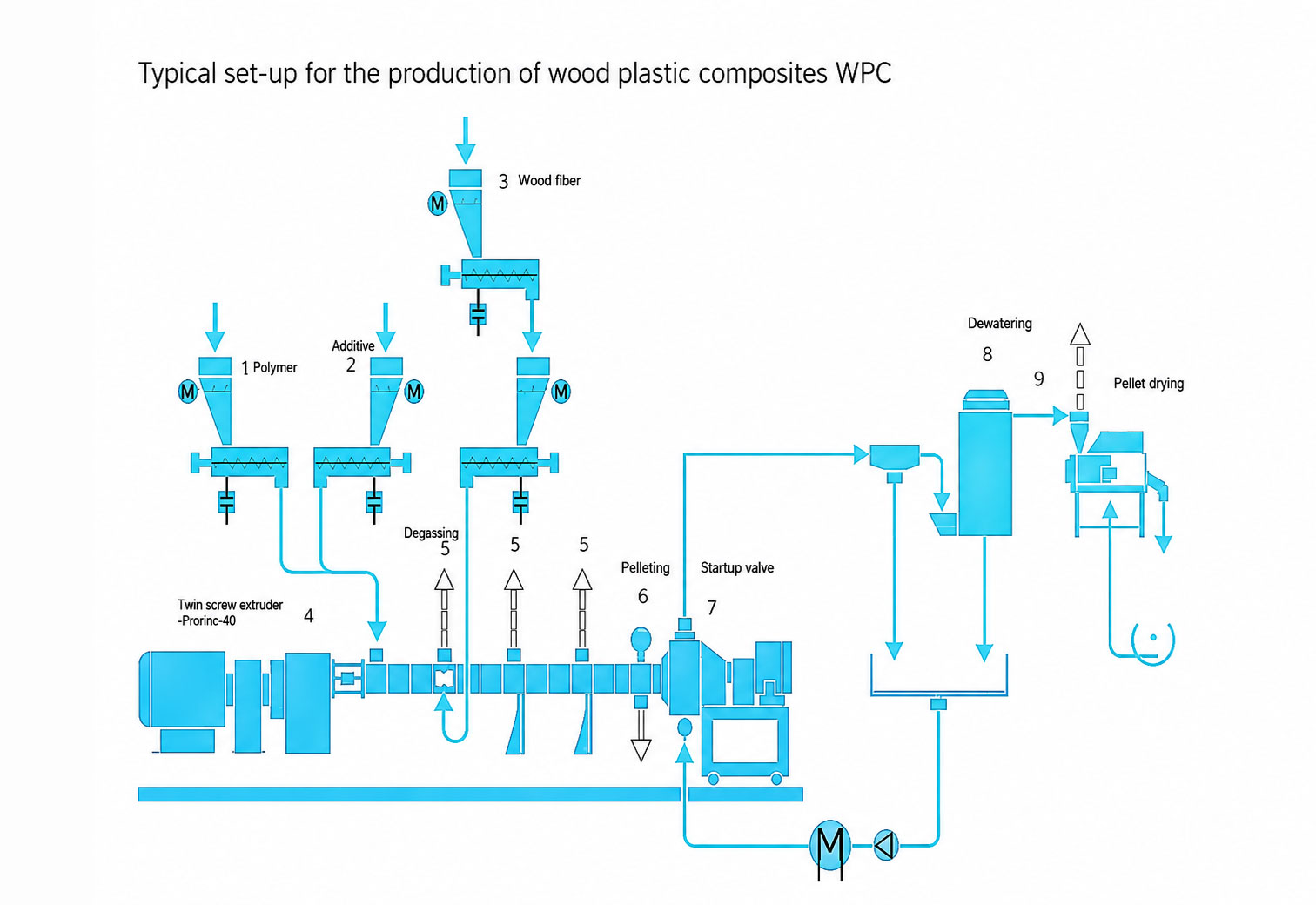
1. Screws & Barrels: High Wear-Resistant Configuration
Wood flour contains abundant hard impurities such as silica, which causes severe abrasion to metal components.
High-alloy materials: Screw elements shall adopt high-vanadium powder metallurgy tool steel (e.g., CPM10V, WR5) or solid cemented carbide. Barrel liners must be fitted with bimetallic liners (nickel-based alloy / Stellite alloy).
L/D Ratio Selection for Two-Step Pelletizing Process: Co-rotating parallel twin-screw extruders are generally adopted, with a recommended L/D ratio ranging from 36:1 to 48:1 to secure sufficient mixing and venting sections.
2. Screw Configuration Design: Low-Shear Mixing
Wood flour is prone to scorching above 200°C; local overheating must be avoided in screw layouts.
Clear functional zoning: The screw shall consist of complete conveying, melting, mixing, venting and pressure equalization zones.
Flexible shear elements: Wide kneading blocks with large stagger angles (45°, 60°) shall be widely applied in the mixing zone, or a combined layout of damping blocks and kneading blocks is acceptable. Narrow high-shear kneading blocks shall be minimized. Plastic melting relies on frictional heat and conductive heat to prevent wood flour carbonization induced by excessive shear heat.
3. Venting & Vacuum Extraction System: Multi-Stage High-Efficiency Venting
Even after drying, wood flour releases residual moisture and plant volatiles under high temperature and pressure.
Dual vent port layout: Extruders with a long L/D ratio shall be equipped with one atmospheric vent plus one or two high-power vacuum vent ports.
Vacuum pump configuration: Liquid ring vacuum pumps or Roots-liquid ring vacuum units are recommended. Vacuum degree shall be maintained between -0.06 MPa and -0.09 MPa. Condensation collection tanks and front anti-clog filter screens are mandatory to avoid pipeline blockage by volatiles.
4. Feeding & Dosing System: Loss-in-Weight Metering
Wood flour features low bulk density and severe bridging tendency, while plastics are mostly pellets; the two materials have drastically different physical properties.
Multi-component loss-in-weight feeding: Volumetric feeders are prohibited. Loss-in-weight feeders shall be deployed for fully automatic precise proportioning of wood flour, plastic pellets and additives, with feeding accuracy controlled within ±0.5%.
Powerful arch-breaking devices: The wood flour hopper shall be equipped with mechanical stirring arch-breakers or pneumatic vibrators as standard. The feed section screw shall adopt a large lead and deep channel design to eliminate dead zones and material bridging at the feed throat.
5. Drive & High-Torque Gearbox: Shock-Resistant Stability
WPC melt boasts extremely high viscosity, generating massive torque during processing, and transient impact loads frequently occur due to raw material fluctuations.
High torque rating: The torque coefficient (T/A³) of the reduction torque split gearbox shall be 9.0 ~ 12.0 or higher (high-torque / ultra-high-torque gearbox series), with gears manufactured from high-strength alloy steel via precision gear grinding.
Safety protection shaft: Safety couplings (torque limiters) are standard equipment. In case of shaft locking or partial jamming, the transmission is disconnected within microseconds to prevent catastrophic damage to screws and gearboxes.
6. Temperature Control System: High Precision & Responsiveness
Wood flour is extremely temperature-sensitive with an extremely narrow processing window (typically 160°C to 190°C).
Linked heating and cooling system: Barrel heating adopts cast aluminum or ceramic heating rings. Each temperature zone is fitted with forced air cooling or internal liquid circulation cooling as standard, with temperature control accuracy reaching ±1°C.