
Search LEMIX Products
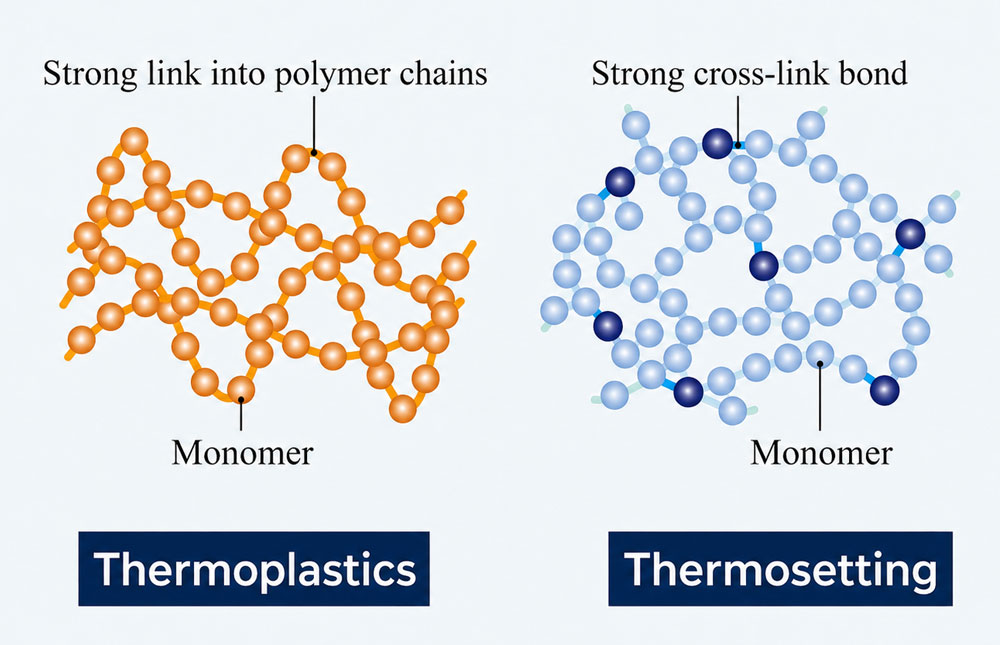
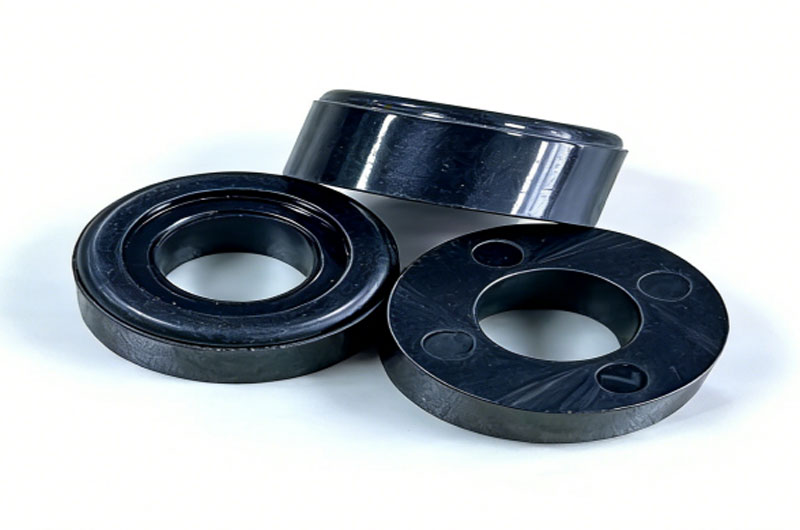
Thermosetting materials refer to polymer materials that undergo irreversible chemical crosslinking reactions to form a three-dimensional network structure upon heating, pressurization, or addition of curing agents. Their most prominent characteristic is that once cured and shaped, they will not soften or melt upon reheating, boasting outstanding properties such as high strength, high temperature resistance, and chemical corrosion resistance.
Epoxy resin: It has extremely high bonding strength and insulation properties, and is widely used in coatings, adhesives, and the encapsulation of electronic components.
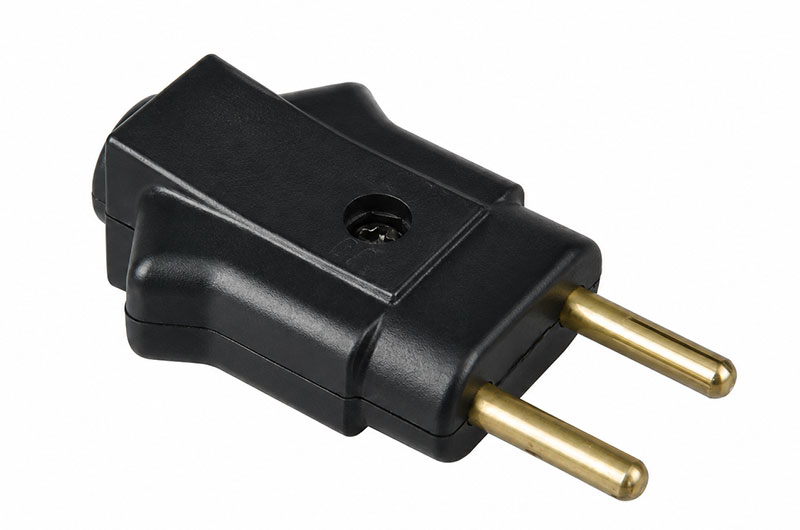
Phenolic resin (such as Bakelite): It is the first synthetic plastic to be industrialized. With high hardness and good insulation, it is often used in electrical switches and kitchenware handles.
Polyurethane: It has excellent abrasion resistance and resilience, and is commonly used in foamed plastics, coatings, and synthetic leather.
Unsaturated polyester resin: It is often combined with glass fibers to make lightweight and high - strength fiberglass reinforced plastic, which is used in automotive parts and building materials.
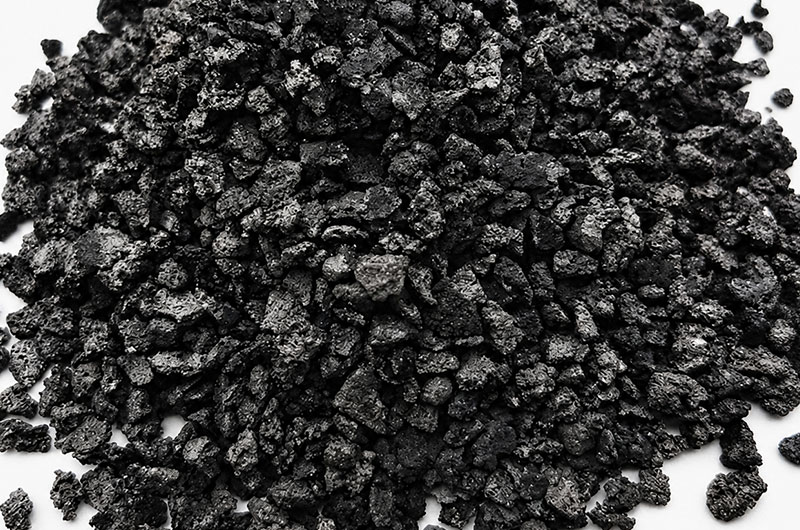
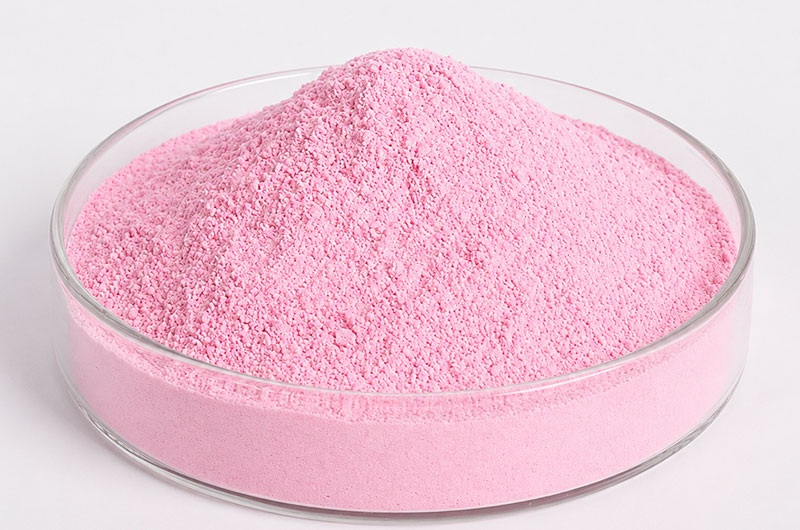
Three core parameters including temperature, shear force and material distribution shall be strictly controlled to guarantee stable quality of premix during thermoset compounding:
Temperature Control
Complete compounding at low material temperature to avoid premature polymerization crosslinking caused by frictional heat. Barrel with circulating cold water cooling system is equipped to stabilize resin viscosity and eliminate high-temperature gel lumps.
Shear Force Control
Equipment provides mild and uniform shear field. For formulas reinforced with hemp, flax natural fiber, glass fiber and carbon fiber, it prevents fiber breakage and thermal degradation to retain original mechanical properties of fibers.
Material Distribution Control
All auxiliaries, additives and fiber fillers (loading 30%~70%) shall be fully blended with matrix without agglomeration. Homogeneous premix can ensure smooth follow-up forming production.
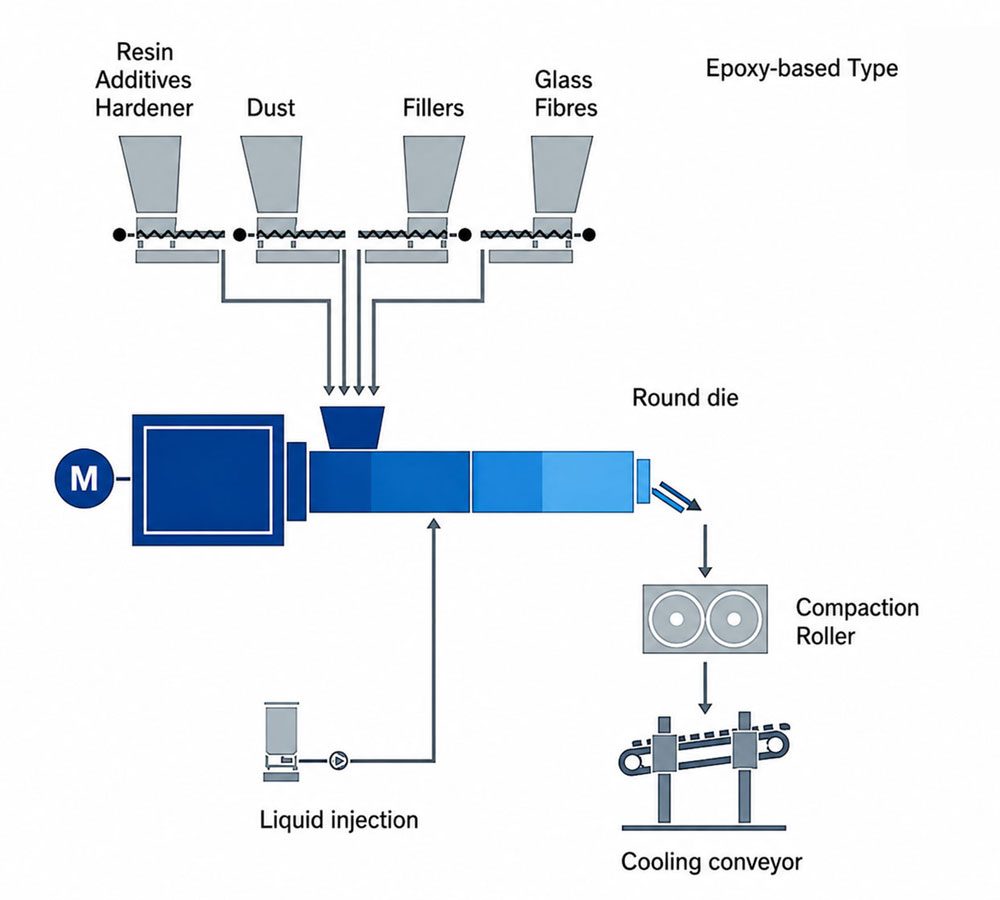
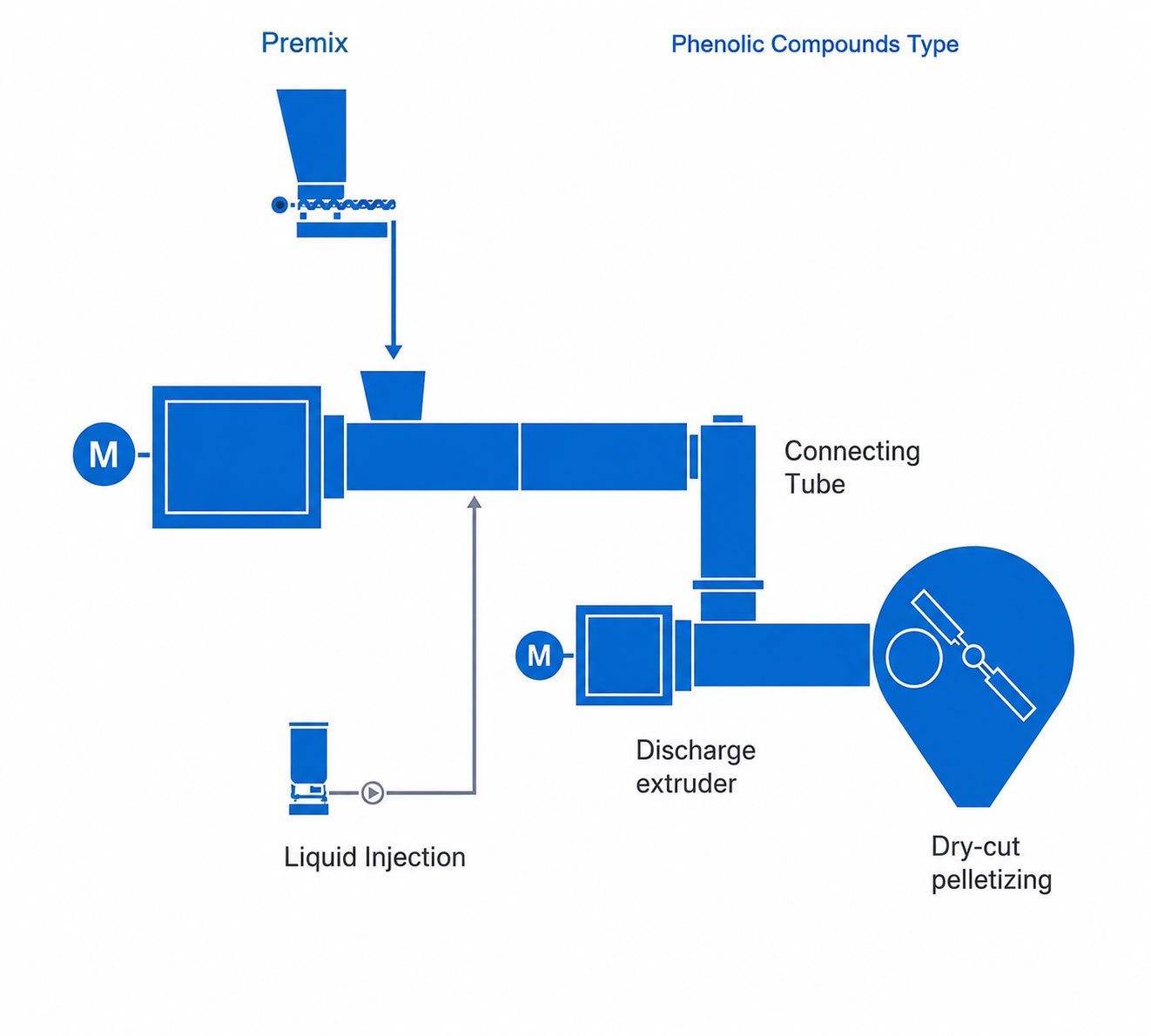
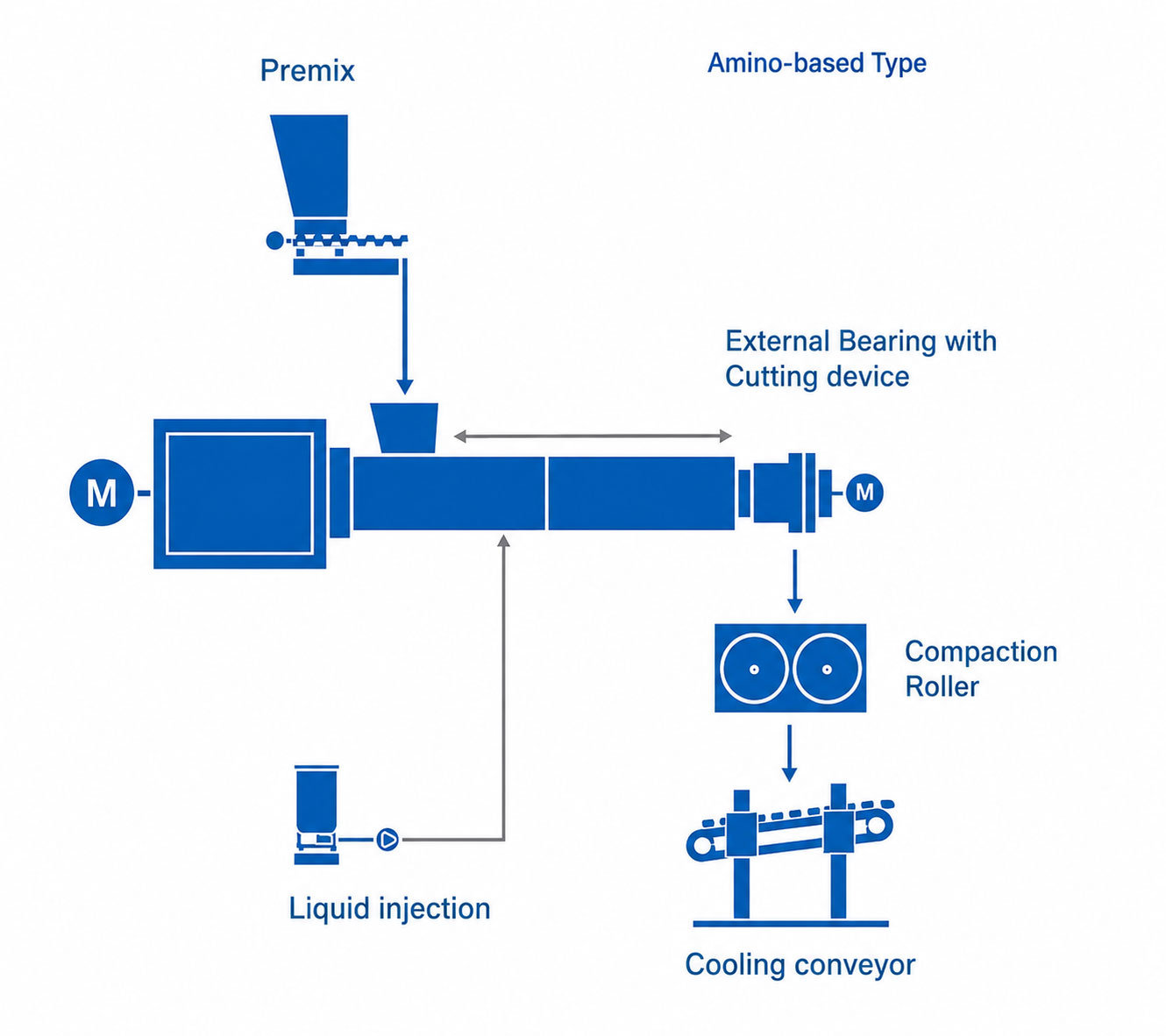
Thermosetting plastics (such as epoxy, phenolic, and unsaturated polyester) have fundamental differences in their processing techniques due to their high susceptibility to thermal cross - linking.
Key points of the core process
The core of the twin - screw processing technology for thermosetting plastics can be summarized as "precise temperature control, weak shear with strong distribution, narrow residence time distribution, and rapid discharging".
High - precision segmented temperature control: The barrel has extremely strong cooling capacity (usually using channel - type water cooling). Each section of temperature is precisely controlled to make the resin just reach the molten - flow state.
Modular segmented screw combination. "Weak shear, strong distribution" screw combination: High - shear kneading blocks are strictly prohibited to prevent local frictional overheating that may lead to "shaft - sticking" and curing. A large number of distributive mixing elements (such as toothed discs, multi - start slotted threads, etc.) should be used to gently and evenly disperse the resin, fillers, curing agents, and fibers under low shear force.
Extremely narrow residence time distribution: It is necessary to ensure that the residence time of all materials in the extruder is highly consistent. A special screw design eliminates any "dead corners" that may cause material stagnation, avoiding premature curing of some resin in the barrel due to overly long residence time.
Low - pressure rapid discharging and cooling: The pressure and resistance at the die head are minimized to prevent pressure - induced temperature rise at the outlet. The extruded sheet or strip immediately enters a cooling conveyor belt or press rolls for forced cooling to terminate the reaction.
Segmented open - barrel: It is convenient to add a high proportion of glass fibers or fillers without pressure in the middle and rear sections, reducing fiber breakage and facilitating cleaning.
Wear - resistant and corrosion - resistant coating: Thermosetting formulations often contain a large amount of inorganic fillers (such as quartz powder, aluminum hydroxide), which cause significant wear to the inner walls of the screw and the barrel.
Special length - to - diameter ratio (L/D): The length - to - diameter ratio is usually short to minimize the heating time of materials in the barrel.