
Search LEMIX Products
Polyetheretherketone (PEEK) is a new type of thermoplastic engineering plastic with excellent physical and mechanical properties. Since its development by ICI in the UK in 1978, PEEK has received extensive attention. Despite its outstanding performance, PEEK still has certain limitations in use and is far from applicable to fields with high requirements for friction and wear resistance, impact resistance, and corrosion resistance levels.
For example, pure PEEK resin has disadvantages such as high brittleness, poor shear performance, relatively low service temperature, and high cost. Material researchers at home and abroad have carried out modifications on PEEK one after another. Its composite materials incorporate reinforcements, endowing them with excellent high - temperature resistance, wear resistance, and corrosion resistance.
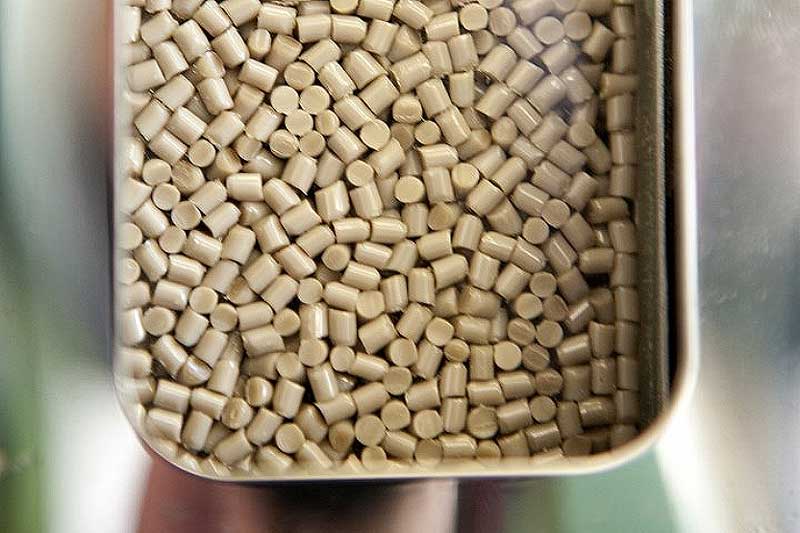
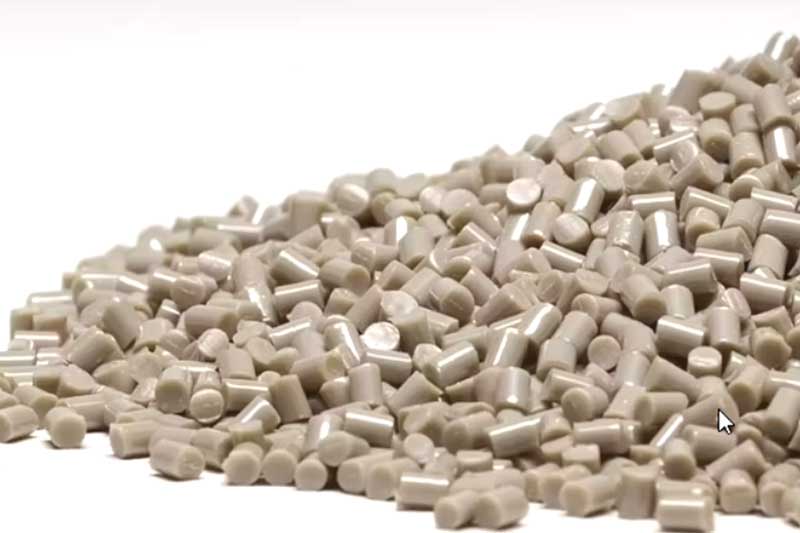
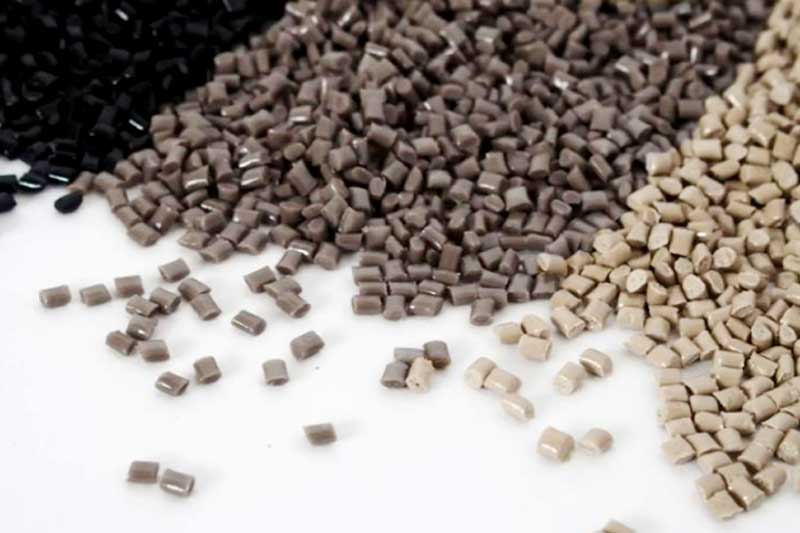
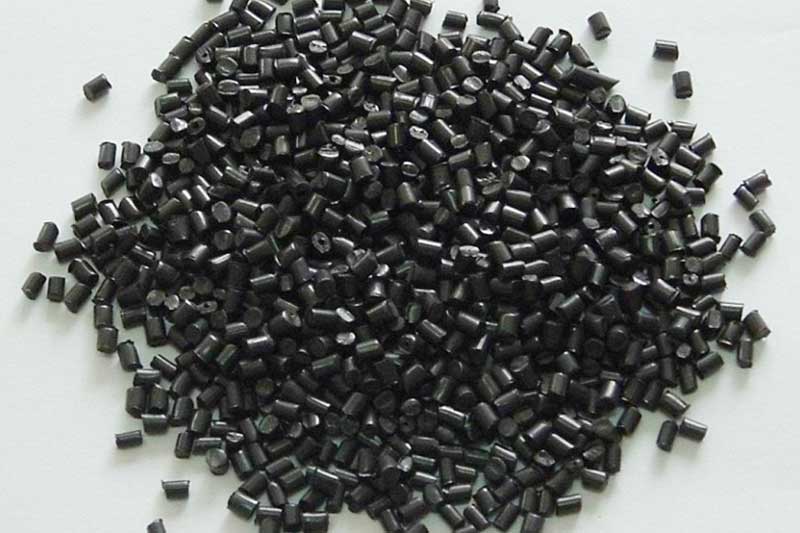
The processing melting point of PEEK ranges from as high as 340 °C to 380 °C, which demands extremely high temperature control and shear - mixing capabilities from the mixing system. This sets stringent requirements for the performance of twin - screw extruders. For example, it requires ultra - high temperature control, bimetallic barrel and screw materials that can withstand high temperatures and corrosion, a powerful exhaust and devolatilization system, as well as high - torque gearboxes and motors.
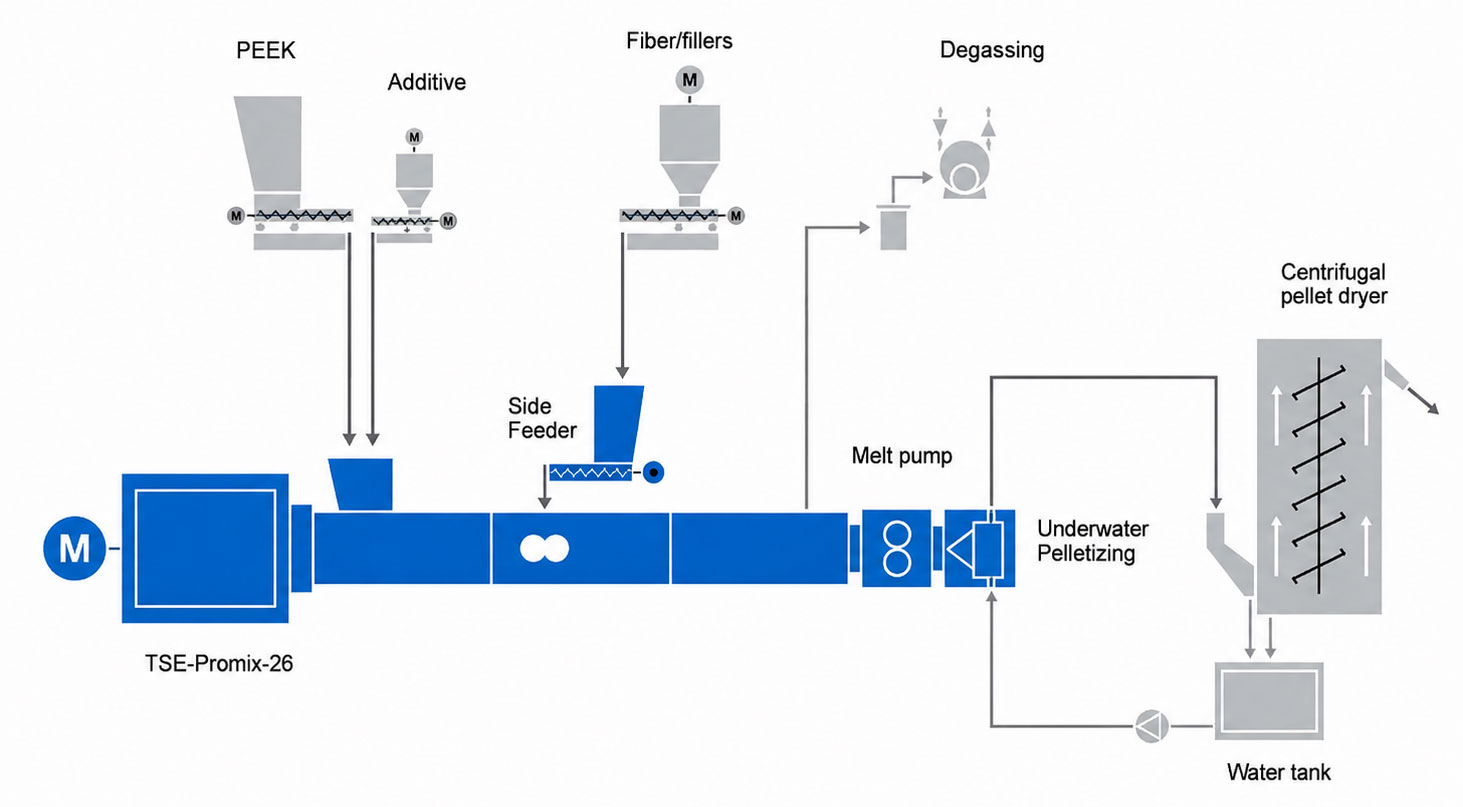
The meshing zone of the screws can generate a strong shearing action, ensuring that fibers and additives are uniformly dispersed in the PEEK melt with extremely high viscosity.
The combination of thread blocks can be flexibly adjusted according to the material characteristics (for example, glass fibers are extremely easy to break), controlling the shear strength to achieve gentle mixing.
A side - feeder is used to feed lightweight reinforcing materials such as carbon fibers or glass fibers into the barrel, avoiding bridging or excessive shearing and breaking at the main feeding port.
The barrel and die of the mixing system need to be accurately controlled above 400 °C. High - quality bimetallic barrels or powder - metallurgy screws must be used to prevent high - temperature wear and corrosion.
During the high - temperature mixing process of PEEK, low - molecular volatiles or residual moisture need to be removed through a vacuum system to ensure the quality of the pellets and the mechanical strength of the final products.
Due to the extremely high viscosity of the PEEK melt, a high - torque drive system is required to ensure the stable operation of the equipment and prevent the material from decomposing at high temperatures due to overload shutdown.