
Search LEMIX Products
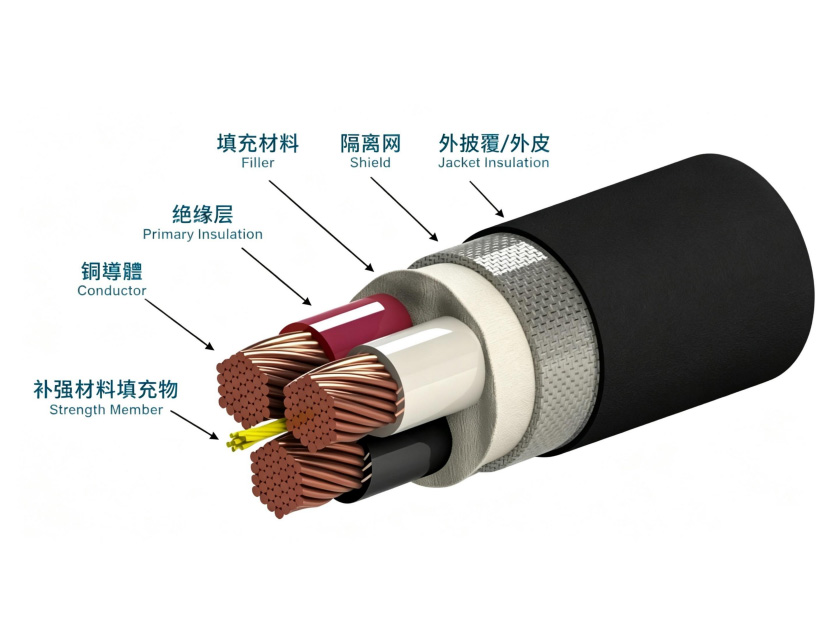
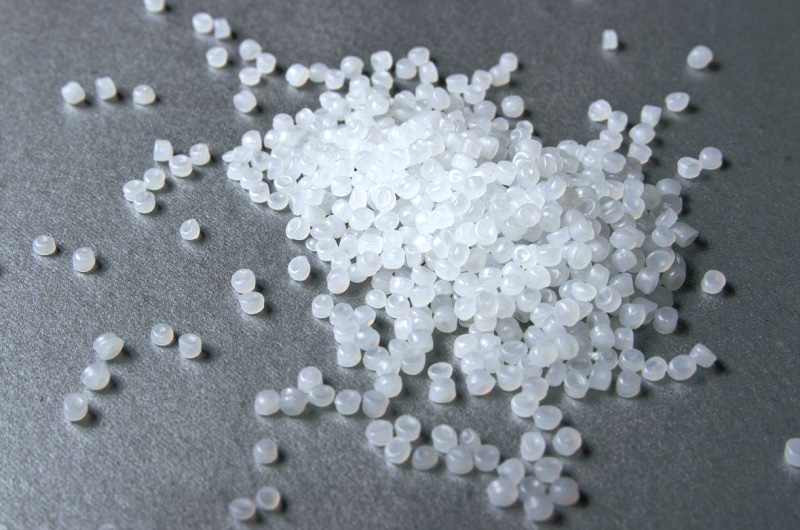
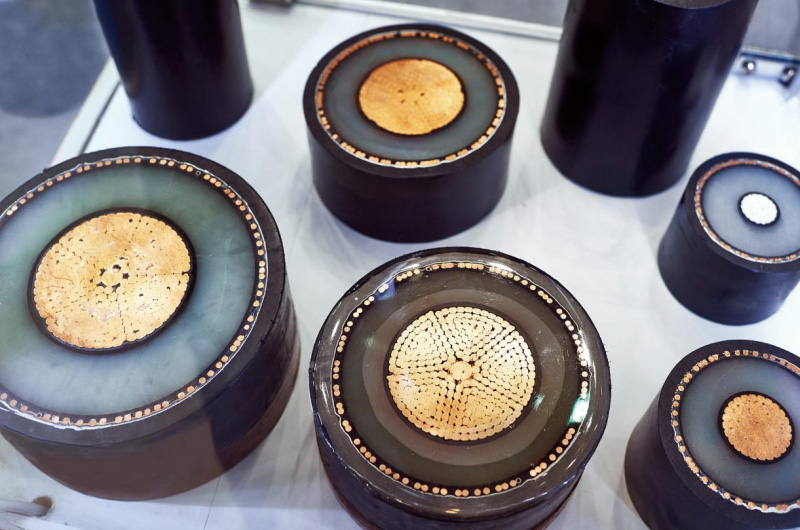
Silane cross-linkable cable compound is a special polyethylene material for cables based on LLDPE/LDPE/HDPE as the matrix. It is graft-modified with vinyl silane. After being extruded and coated on wires and cables, it undergoes hydrolysis and condensation upon exposure to moisture to form a three-dimensional Si-O-Si network structure, transforming from thermoplastic to thermosetting. Commonly referred to as silane cross-linked PE in the industry, it is the dominant insulating material for medium and low-voltage cables rated at 10 kV and below.
There are two mainstream manufacturing processes available on the market: the one-step method and the two-step method. At present, our twin-screw extruders are mainly designed for the two-step production process, manufacturing Compound A (silane-grafted PE base resin) and Compound B (catalyst masterbatch).
I. Precise Grafting Reaction Control to Stabilize Base Material Performance
The grafting reaction is the core process determining the mechanical properties and crosslinking stability of silane crosslinkable compounds, which directly governs critical end-product indicators including heat resistance, voltage withstand performance and insulation capacity.
The twin-screw extruder is equipped with dedicated liquid injection ports on specific barrel sections, allowing the silane-peroxide blend to be injected straight into the barrel at process-optimized positions. Immediate distributive mixing upon liquid injection delivers a uniformly high grafting rate while minimizing scorch risks.
Silane molecules are covalently bonded to polymer chains via free-radical grafting under accurately calibrated residence time and temperature settings.
II. Closed-Loop Full-Process Moisture Control to Eliminate Premature Self-Crosslinking Risks
Moisture is the dominant hidden hazard during storage and production of silane crosslinkable materials. It easily triggers premature hydrolysis and self-crosslinking of pellets, resulting in pellet agglomeration, surface speckles during extrusion, strand breakage and finished product rejection.
After pelletization by the twin-screw extruder, pellets go through dewatering, air cooling and fluidized-bed drying before packaging. This prevents ambient moisture from penetrating the material, effectively extending the product shelf life, avoiding premature crosslinking prior to storage, transportation and processing, and sustaining excellent processing stability.
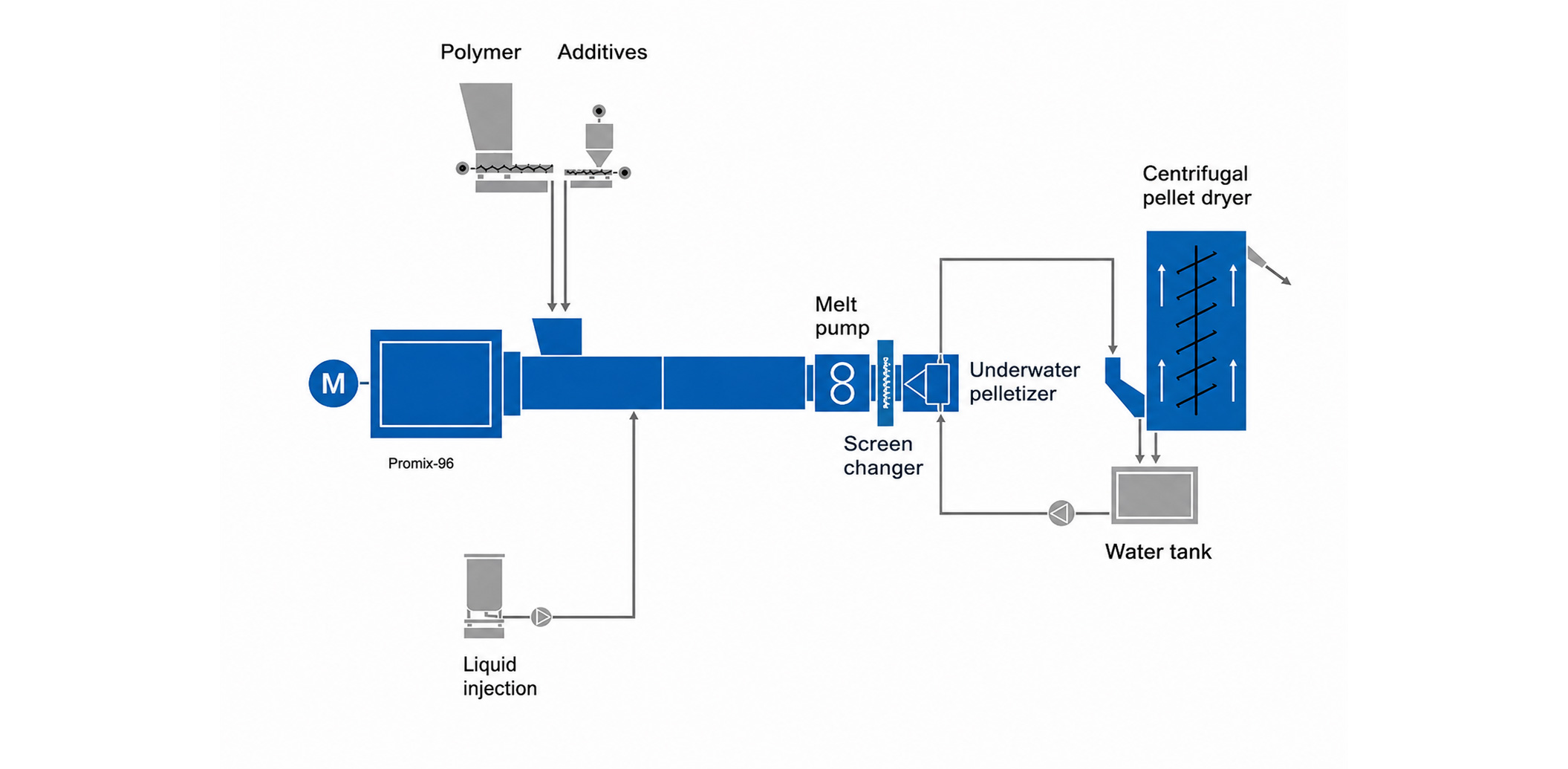
Sufficient Distributive Compounding
We offer a wide range of screw elements. The screw configuration can be adjusted according to process parameters to achieve thorough distributive and dispersive mixing.
Precise Temperature Control
Controllable energy input, uniform and moderate shear rate, and thermocouple temperature sensors installed along the barrel for real-time monitoring。
With core hardware and software configurations, temperature control accuracy of ±1°C can be achieved under operating conditions.
Liquid Injection at Any Position
The twin-screw barrel adopts a segmented combined and open barrel structure, enabling direct injection of liquid additives into molten polymers at optimal process positions. Mixing initiates instantly without material adhesion to the barrel inner wall, and complete mixing can be accomplished even within a short processing section.