
Search LEMIX Products
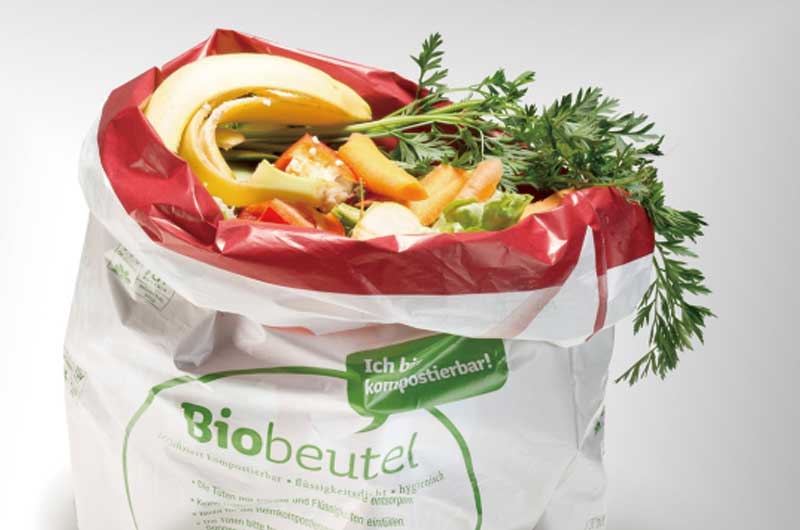
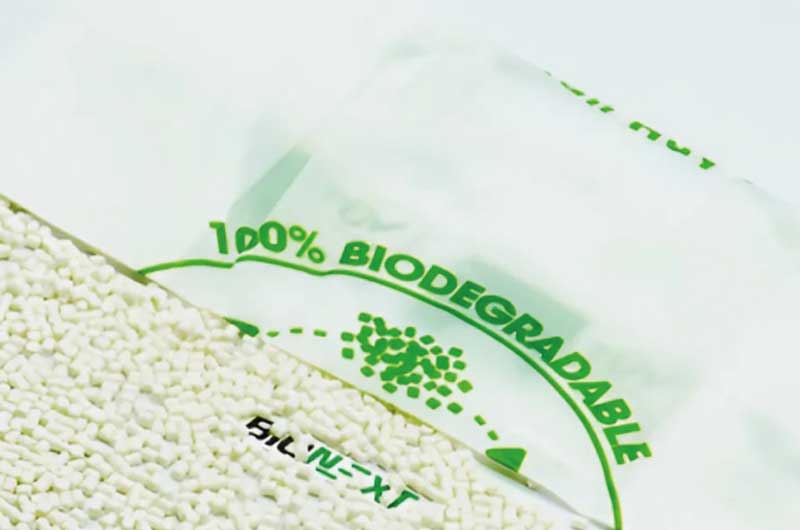
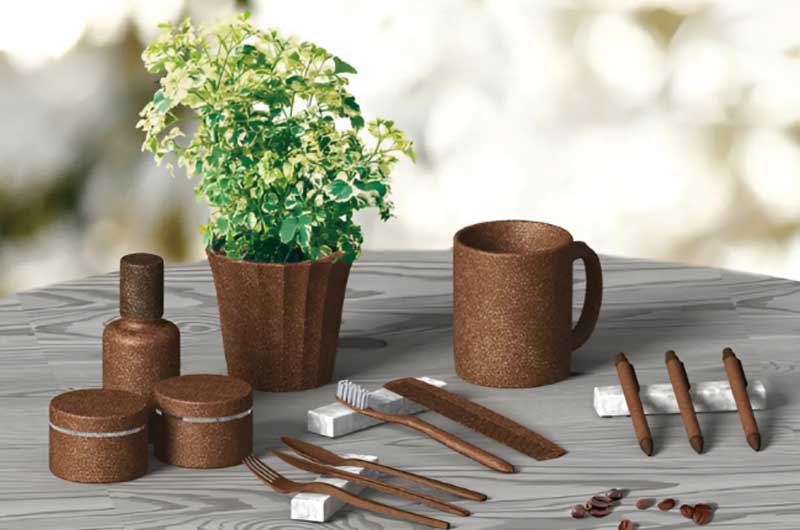
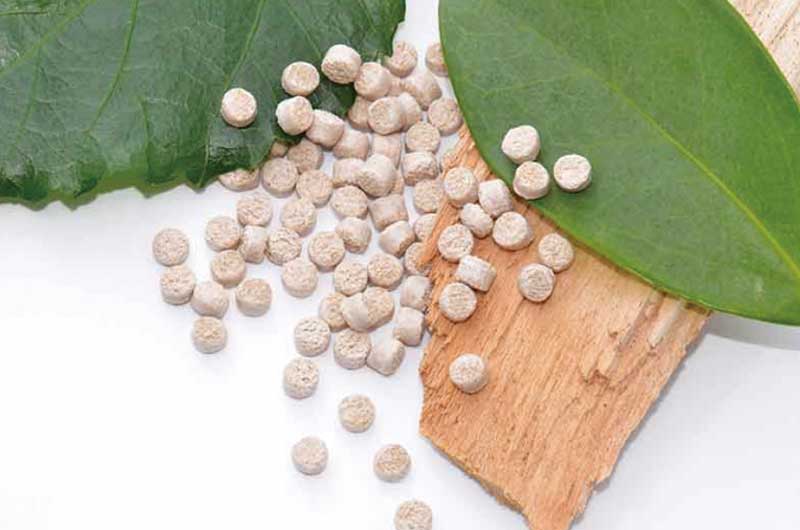
Bioplastics refer to plastic materials that are either fully or partially made from renewable biomass (such as corn starch, sugarcane, cellulose, etc.), or capable of biodegradation in natural environments. Compared with conventional petroleum-based plastics, they can effectively cut carbon emissions and mitigate environmental pollution. The five common and representative types of bioplastics are PLA, PHA, starch-based plastics, PBAT and Bio-PET, each featuring distinct raw material sources and biodegradation properties.
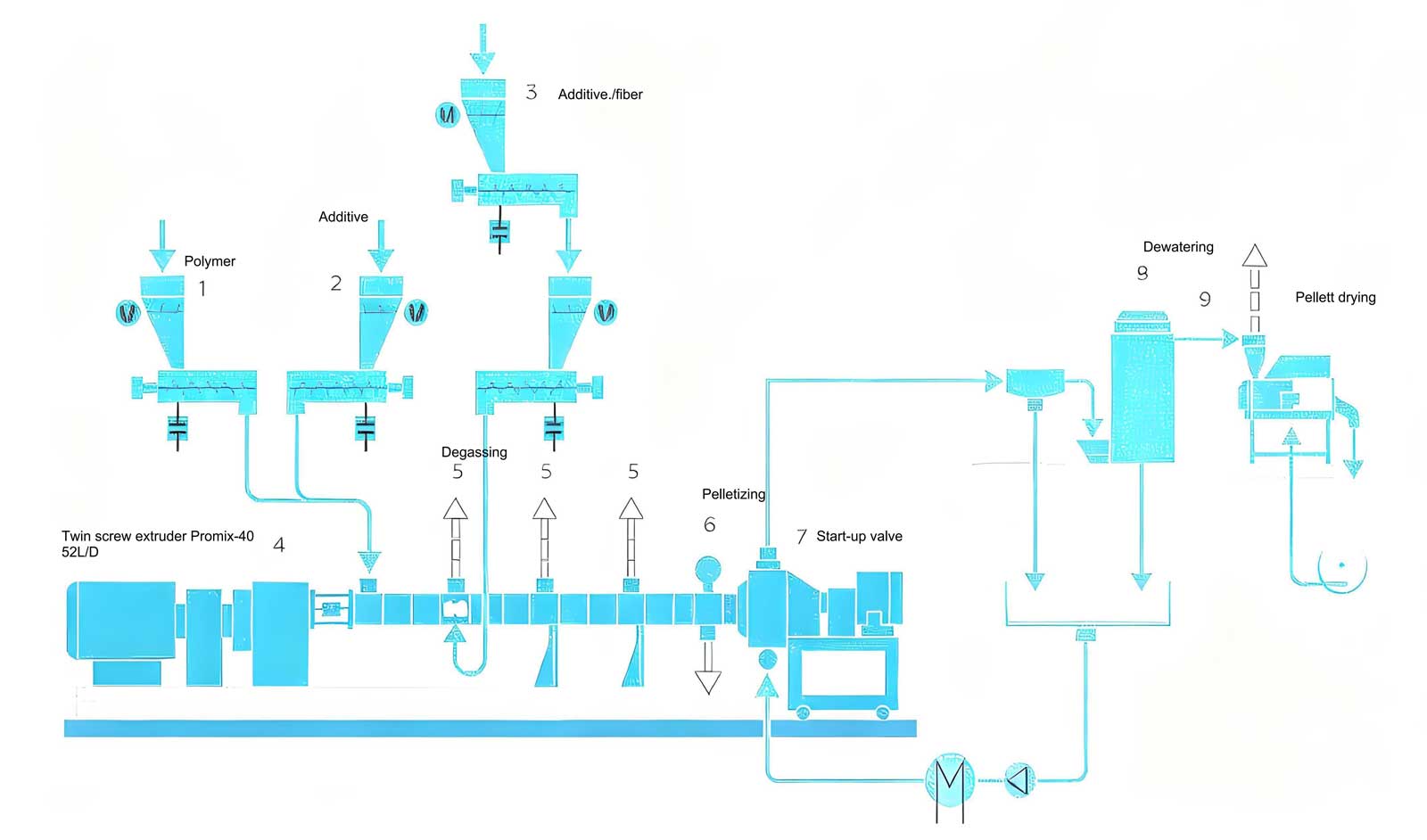
To achieve target material properties, bioplastic compounding systems must deliver sufficient dispersive and distributive mixing under moderate shear rates and controllable melt temperatures. Feeding fibers, fillers and additives generally requires multiple metering streams for dried solid components, while liquid additives may be injected at designated positions along the compounding machine. Twin-screw extruders, especially co-rotating parallel twin-screw extruders, serve as the core modification and compounding equipment for bioplastics including PLA, PBAT, starch-based plastics and more.
Biomaterials feature distinct characteristics: high thermal sensitivity, susceptibility to hydrolytic degradation upon moisture absorption, low melt strength, and frequent multi-component blending requirements. Lemix twin-screw extruders are fully capable of meeting all the above process demands.
Strict Low - Shear and Precise Temperature Control
Low - Shear Modular Screw Combination: Biomaterials (such as PLA) are highly prone to degradation and chain - scission under high - temperature and high - shear conditions, resulting in a decrease in molecular weight and deterioration of properties. Therefore, the configuration of screw elements needs to reduce strong - shear blocks and use more mixing elements with wide flight and dispersed shear to ensure "gentle shear".
Narrow Temperature Control Window: The melting temperature and degradation temperature of biomaterials are usually very close (for example, the melting point of PLA is 160 - 180℃, and it is likely to accelerate degradation when the temperature exceeds 200℃). In the process, a multi - stage precise temperature control system is adopted to strictly limit the temperature of each zone in the barrel and avoid local overheating.
High - Efficiency Exhaust and Dehydration/Devolatilization Capability
Prevention of Hydrolysis: Bioplastics are highly hydrophilic, and a trace amount of water can cause serious hydrolysis reactions at high temperatures.
Multi - Point Vacuum Exhaust: Usually, 1 to 2 powerful vacuum exhaust ports are set in the middle and at the tail of the twin - screw barrel. During the processing, the residual trace moisture, reaction by - products (such as small - molecule monomers), and volatiles in the material are removed in real - time.
High - Efficiency Reactive Extrusion and Compatibilization Modification
In - situ Compatibilization Modification: Most biopolymer blend systems (such as PLA and PBAT blends, starch and plastic blends) are thermodynamically incompatible systems.
Configuration of Length - to - Diameter Ratio (L/D): In the process, a twin - screw with a relatively large length - to - diameter ratio (L/D = 40 - 48 or higher) is usually selected. In a long barrel, by adding compatibilizers or chain extenders (such as ADR chain extender), and taking advantage of the excellent control of the residence time for chemical reactions of the twin - screw, in - situ grafting, chain extension, or cross - linking reactions are completed to improve the toughness and melt strength of the material.
Strong Multiphase Fluid Shear Dispersion and Low - Speed Feeding
High - Proportion Filling of Starch/Inorganics: When producing starch - based plastics or adding calcium carbonate, talc powder, and bio - fibers to reduce costs and increase efficiency, the twin - screw, with its self - cleaning and strong dispersion - mixing capabilities, can evenly disperse solid fillers in the biopolymer resin matrix and avoid caking.
Mixing of High Viscosity Differences: For the injection of plasticizers (such as glycerol, liquid polyatomic alcohols), the twin - screw, in combination with a liquid metering pump, can instantaneously shear - mix high - viscosity polymers and low - viscosity liquids evenly.
Special Down - stream Granulation Process
Due to the low melt viscosity, good toughness, or high water - absorbency of biomaterials (especially formulations rich in PBAT or starch), the traditional water - cooled strand granulation is prone to strand breakage.
In the process, depending on the material properties, air - cooled strand granulation, water - ring granulation, or a more advanced underwater granulation system is often selected to ensure the high - efficiency and good appearance of continuous particle production.