
Search LEMIX Products
Learn how melt temperature and specific mechanical energy influence twin screw compounding quality, mixing performance, and polymer stability.
Category:Process Control & Troubleshooting
Author:LEMIX Admin
Date:2026-09-24
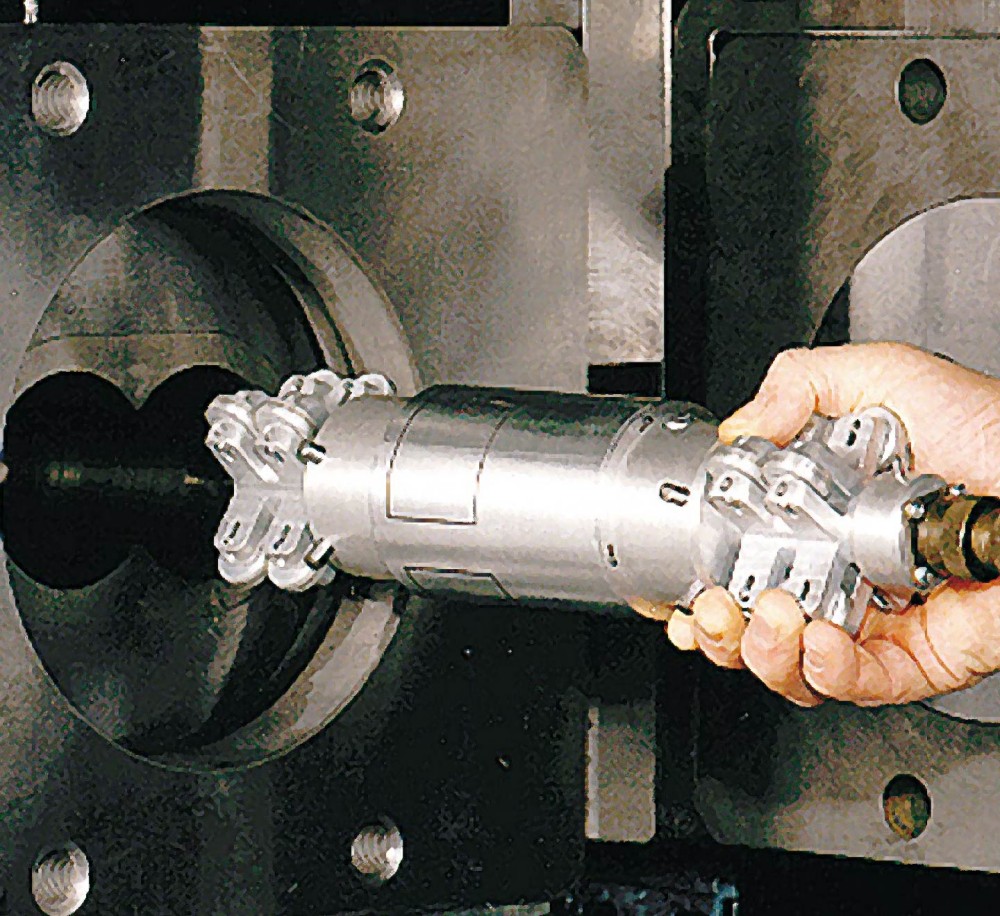
Melt temperature and specific mechanical energy affect compounding by controlling material melting, mixing efficiency, dispersion quality, and the risk of polymer degradation.
In twin screw extrusion, product quality depends heavily on how mechanical energy and thermal energy are applied during processing.
Two key process indicators are:
Melt temperature
Specific mechanical energy (SME)
These factors determine how materials behave inside the extruder, including:
Melting efficiency
Mixing performance
Additive dispersion
Polymer stability
Final material properties
For polymer manufacturers, controlling these parameters is essential because excessive energy input may damage materials, while insufficient energy may lead to poor mixing and inconsistent products.
A successful compounding process requires the right balance between heat transfer and mechanical processing.
Melt temperature refers to the actual temperature of the polymer melt during extrusion, not only the barrel temperature setting.
It is influenced by:
Barrel heating zones
Screw speed
Material viscosity
Feed rate
Mechanical shear
Cooling efficiency
Melt temperature is one of the most important indicators for understanding the real processing condition inside a Twin Screw Extruder.
The same barrel temperature settings can produce different melt temperatures depending on:
Material type
Screw configuration
Production rate
Therefore, monitoring actual melt temperature provides more accurate process information.
Melt temperature directly influences polymer behavior during mixing and shaping.
A suitable melt temperature ensures that polymers reach the required flow condition.
If the temperature is too low:
Materials may not melt completely
Mixing efficiency may decrease
Output may become unstable
If the temperature is too high:
Polymer degradation may occur
Color changes may appear
Material properties may decline
Many compounds contain additives such as:
Fillers
Pigments
Fibers
Stabilizers
Proper melt temperature helps these components distribute evenly throughout the polymer matrix.
Insufficient melting may create:
Poor dispersion
Agglomeration
Uneven product performance
Excessive melt temperature can accelerate:
Thermal oxidation
Molecular chain breakdown
Color deterioration
This is especially important when processing:
Engineering plastics
Pharmaceutical materials
High-performance polymers
Maintaining the correct temperature range helps protect material performance.
Specific mechanical energy (SME) represents the amount of mechanical energy transferred to the material during extrusion relative to production output.
It reflects how much mechanical work the extruder applies during processing.
SME is influenced by:
Motor power
Screw speed
Torque
Throughput
A simplified relationship is:
Higher torque + higher screw speed + lower throughput = higher SME
SME helps manufacturers understand the intensity of mechanical processing.
SME plays an important role in determining mixing efficiency.
Higher SME generally provides:
Stronger dispersion
Better additive distribution
Improved homogenization
This can be beneficial for materials requiring intensive mixing, such as:
Filled polymers
Masterbatch
Engineering compounds
However, excessive SME may create problems.
Yes. Excessive mechanical energy can negatively affect sensitive materials.
High SME may cause:
Excessive shear heating
Molecular degradation
Reduced polymer performance
Unwanted viscosity changes
For example, temperature-sensitive materials may require lower shear conditions to maintain their original properties.
The goal is not to maximize SME but to achieve the optimal energy level required for the specific material.
Melt temperature and SME are closely related because mechanical energy is converted into heat during extrusion.
When screw speed increases:
Mechanical shear increases
SME increases
Melt temperature may rise
When throughput decreases:
Material receives more energy per kilogram
SME increases
Thermal load may increase
Therefore, adjusting one process parameter often affects the others.
A balanced extrusion process requires understanding the relationship between:
Screw speed
Feed rate
Torque
Temperature profile
Material characteristics
The screw design strongly affects energy transfer inside the extruder.
Different screw elements create different processing effects.
Main functions:
Transport materials
Control material movement
They generally generate lower shear compared with mixing elements.
Main functions:
Increase mixing intensity
Improve dispersion
They can significantly increase mechanical energy input.
Main functions:
Increase residence time
Improve mixing efficiency
They may also increase pressure and energy consumption.
A properly designed screw configuration balances mixing requirements with material protection.
Optimization requires adjusting multiple processing variables together.
Increasing screw speed may improve output but can increase SME and melt temperature.
Higher throughput can reduce SME per kilogram by distributing energy over more material.
The right screw arrangement can provide sufficient mixing without excessive shear.
Heating and cooling settings should support stable material processing.
Important parameters include:
Torque
Melt temperature
Pressure
Output rate
Energy consumption
Data-based adjustments provide better results than changing individual settings randomly.
Different industries require different energy balances.
Requires:
Strong dispersion
Controlled shear
Stable mechanical properties
Requires:
Uniform mixing
Controlled temperature
Prevention of thermal degradation
Requires:
Precise temperature control
Gentle processing
API protection
Requires:
Effective mixing
Degassing capability
Contamination control
The ideal melt temperature and SME depend on the specific material system.
Poor control may result in:
Possible effects:
Incomplete mixing
Poor dispersion
Unstable product quality
Possible effects:
Material degradation
Higher operating costs
Reduced product performance
Possible effects:
Output fluctuation
Quality variation
Increased production waste
Maintaining a stable processing window is essential for reliable compounding.
Modern compounding requires more than mechanical equipment. It requires accurate understanding and control of processing conditions.
Monitoring melt temperature and SME helps manufacturers:
Improve product consistency
Reduce material waste
Optimize energy consumption
Extend equipment performance
Develop reliable processing conditions
LEMIX provides twin screw extrusion solutions with customized screw designs and process configurations for different compounding applications.
By balancing thermal and mechanical energy, manufacturers can achieve efficient processing without sacrificing material quality.