
Search LEMIX Products
Compare standard and customized twin screw extruders to understand which solution provides better processing results for different material applications.
Category:Extruder Technology & Selection
Author:LEMIX Admin
Date:2026-10-09
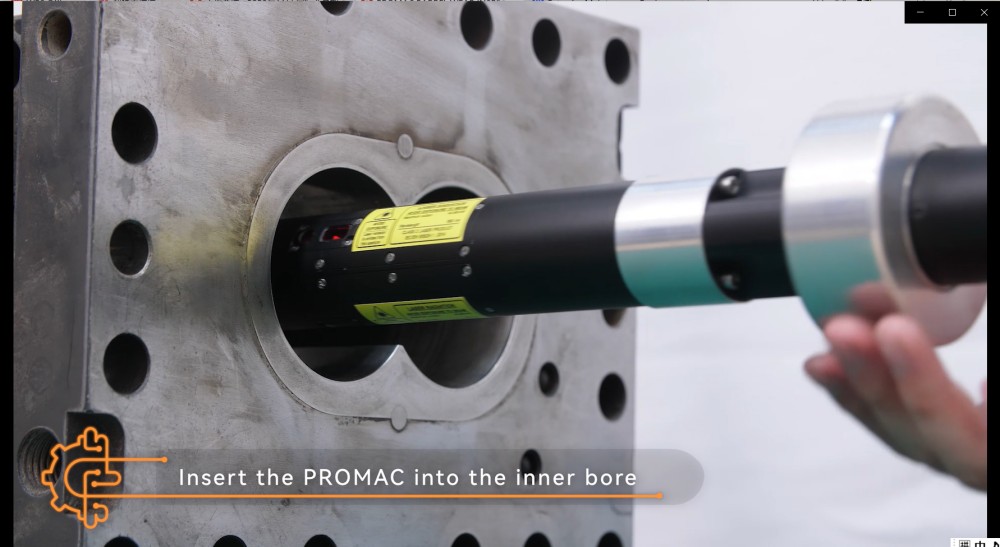
A customized Twin Screw Extruder usually provides better processing results for complex materials, while a standard twin screw extruder is suitable for common applications with stable requirements.
Twin screw extrusion performance depends on more than machine size or output capacity.
The interaction between equipment design and material characteristics determines:
Mixing quality
Material stability
Energy efficiency
Product consistency
Production reliability
A standard twin screw extruder provides a general processing solution based on common material requirements.
A customized twin screw extruder adjusts equipment features according to specific application needs.
The better choice depends on whether the material requires a proven general solution or a specialized processing approach.
A standard twin screw extruder is designed for common extrusion applications using widely used configurations.
It typically includes:
Standard screw arrangements
Common barrel configurations
General feeding systems
Conventional process controls
Standard systems are suitable for materials with relatively stable processing requirements.
Typical applications include:
General polymer compounding
Standard plastic processing
Common masterbatch production
Routine material mixing
The main advantages of standard twin screw extruders include:
Shorter delivery time
Easier operation
Lower initial investment
Proven processing performance
A customized twin screw extruder is designed according to specific material characteristics, production requirements, or application challenges.
Customization may involve:
Screw element design
Barrel configuration
Feeding system
Degassing arrangement
Temperature control
Output configuration
Customized systems are commonly used for materials with special requirements, such as:
High-performance polymers
Pharmaceutical formulations
Battery materials
Difficult-to-process compounds
Recycling materials with variable properties
The purpose of customization is to improve processing efficiency and product quality for specific applications.
The main differences are related to flexibility, optimization, and application suitability.
| Comparison | Standard Twin Screw Extruder | Customized Twin Screw Extruder |
|---|---|---|
| Design approach | General application | Specific material requirements |
| Configuration | Fixed or common setup | Application-based optimization |
| Processing flexibility | Moderate | High |
| Development time | Shorter | Longer |
| Initial investment | Lower | Higher |
| Suitable materials | Common materials | Complex or specialized materials |
Both options can provide reliable performance, but customized systems offer greater control when processing requirements are more challenging.
Standard equipment is suitable when materials have predictable processing behavior.
It works well for:
Applications involving:
Stable polymer blends
Regular additives
Standard formulations
If manufacturers already understand the process conditions, standard equipment may provide sufficient performance.
Standard systems often provide:
Lower equipment investment
Faster implementation
Easier maintenance
For conventional applications, a standard solution can deliver reliable results without unnecessary complexity.
Customized equipment becomes important when standard configurations cannot fully meet processing requirements.
It is suitable for:
Some materials require special solutions due to:
High viscosity
Poor flow characteristics
Thermal sensitivity
High filler content
Industries developing new materials may require equipment adjustments to achieve desired performance.
Examples include:
Battery materials
Medical polymers
Functional compounds
Customization can help improve:
Mixing efficiency
Material protection
Output stability
Energy consumption
The screw configuration is one of the most important customization areas.
Different screw elements create different processing effects.
Control:
Material transport
Filling behavior
Throughput stability
Improve:
Dispersion
Mixing intensity
Filler distribution
Increase:
Residence time
Mixing efficiency
However, excessive shear may damage sensitive materials.
A customized screw design balances processing intensity with material protection.
Customized twin screw extruders can improve processing results by matching equipment behavior with material requirements.
Potential improvements include:
Optimized screw design helps achieve more uniform dispersion.
Proper temperature and shear control reduce degradation risks.
Customized feeding and processing systems help maintain stable production.
Better process control reduces defective products and adjustment time.
Some complex materials can be processed using standard equipment if the processing requirements remain within normal operating ranges.
However, challenges may appear when materials require:
Special feeding methods
Advanced degassing
Precise temperature control
Unique screw configurations
In these cases, customization may provide better long-term performance.
Customization is especially important during scale-up because processing behavior may change when production volume increases.
A customized system can consider:
Material flow characteristics
Production targets
Future expansion requirements
Application-specific quality standards
This helps manufacturers maintain consistent results when moving from development to commercial production.
Customized extrusion solutions are widely used in industries with demanding processing requirements.
Customization helps control:
API protection
Temperature sensitivity
Mixing uniformity
Customized systems support:
Special formulations
Controlled processing conditions
Consistent material properties
Customization improves:
Reinforcement dispersion
Mechanical performance
Production stability
Customized configurations help manage:
Material variation
Contamination
Degassing requirements
The choice depends on material requirements and production goals.
Processing common materials
Requirements are well established
Cost efficiency is important
Standard performance is sufficient
Materials are difficult to process
Product requirements are strict
Performance optimization is needed
Standard equipment cannot achieve desired results
Not always.
Customization provides advantages when specific challenges exist, but unnecessary customization may increase:
Development time
Equipment cost
Maintenance complexity
The best solution is not the most customized machine. It is the machine designed appropriately for the actual processing requirements.
Every material has different processing characteristics.
A successful extrusion system must consider:
Material properties
Production requirements
Quality targets
Future manufacturing plans
Standard equipment provides an efficient solution for common applications.
Customized equipment provides optimized performance for specialized challenges.
LEMIX develops twin screw extrusion solutions based on different material requirements, offering both standard platforms and customized configurations.
Choosing the right extrusion design helps manufacturers achieve better processing stability, product quality, and production efficiency.