
Search LEMIX Products
Learn how feeding stability affects twin screw extrusion performance, including output, torque, mixing, feeders, materials, and process optimization.
Category:Pharmaceutical Extrusion Technology
Author:LEMIX Admin
Date:2026-09-04
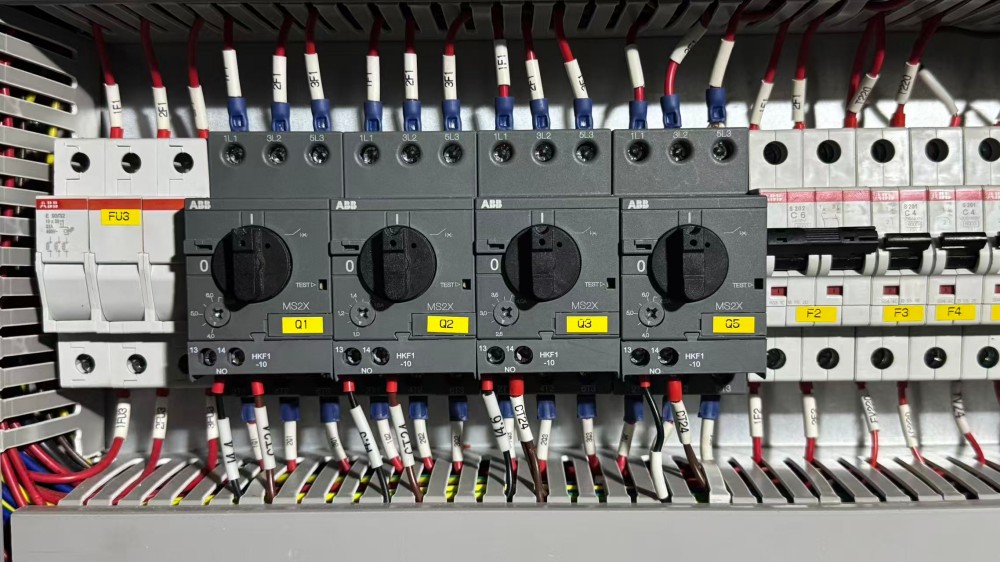
Feeding stability directly affects Twin Screw Extruder performance by controlling material consistency, output stability, mixing quality, torque behavior, and final product properties.
Feeding stability refers to the ability of the extrusion system to deliver materials into the twin screw extruder at a consistent rate and composition.
A stable feeding process ensures that the extruder receives:
Consistent material quantity
Accurate formulation ratios
Uniform additive distribution
Continuous material flow
In twin screw extrusion, feeding is the first step that influences all downstream processes.
A feeding problem can affect:
Melting behavior
Mixing efficiency
Residence time
Torque level
Product quality
Even with a well-designed twin screw extruder, unstable feeding can prevent the system from achieving consistent production performance.
Twin screw extrusion depends on a continuous balance between material input and processing capacity.
When feeding is stable:
Material filling remains consistent
Screw loading is predictable
Temperature control becomes easier
Output remains steady
Product properties become more uniform
When feeding becomes unstable:
Output fluctuates
Torque changes frequently
Melt pressure becomes unstable
Material dispersion decreases
Pellet quality may vary
For polymer compounding, small changes in feeding rate can create noticeable differences because formulations often contain multiple components with precise ratios.
Output stability is one of the most visible effects of feeding performance.
An inconsistent feed rate can cause:
Production rate fluctuation
Uneven pellet size
Variable compound composition
Reduced productivity
For example, when the main polymer feed decreases temporarily, the extruder may experience:
Lower barrel filling
Reduced mixing efficiency
Lower torque
Inconsistent melt pressure
When excessive material enters the extruder, it may cause:
Higher torque
Increased pressure
Motor overload risk
Poor material flow
Stable feeding keeps the extrusion process within the designed operating range.
Mixing quality depends on how consistently materials move through the screw system.
A stable feeding process helps maintain:
Correct material ratios
Uniform additive distribution
Consistent shear conditions
Predictable residence time
This is especially important for materials such as:
Engineering plastics
Masterbatch compounds
TPE and TPU materials
Filled polymers
Cable compounds
WPC materials
If additives or fillers are introduced inconsistently, the final compound may show:
Poor dispersion
Uneven mechanical properties
Color variation
Reduced performance
Torque reflects the resistance that materials create during extrusion.
Feeding changes directly influence torque behavior.
| Feeding Condition | Torque Effect |
|---|---|
| Stable feeding | Smooth and predictable torque |
| Excessive feeding | Higher torque and overload risk |
| Insufficient feeding | Lower torque and reduced mixing |
| Pulsating feeding | Torque fluctuation |
Stable torque indicates that the extruder is operating under consistent processing conditions.
Frequent torque changes may indicate:
Feeder problems
Material bridging
Poor powder flow
Incorrect feeding settings
Material variation
Different materials create different feeding challenges.
Pellets usually have good flow characteristics but may still experience:
Bridging
Poor hopper design
Material blockage
Powders often require more precise feeding because they may have:
Low bulk density
Poor flowability
Dust generation
Agglomeration
Fibers and fillers may require side feeding because they can be difficult to introduce through the main hopper.
Common examples include:
Glass fibers
Wood fibers
Mineral fillers
Functional additives
The feeding system should match the physical characteristics of each material.
A suitable feeding system helps maintain accurate and continuous material supply.
Common feeding equipment includes:
| Feeder Type | Application |
|---|---|
| Volumetric feeder | General material feeding |
| Loss-in-weight feeder | High-accuracy formulation control |
| Side feeder | Fibers and fillers |
| Liquid feeder | Liquid additives |
Loss-in-weight feeders are commonly used when precise formulation control is required.
They continuously monitor material weight changes and adjust feeding speed to maintain a target rate.
Side feeding is commonly used when processing materials that are difficult to feed through the main hopper.
Applications include:
Long fibers
High filler content compounds
Reinforcing materials
Heat-sensitive additives
Side feeding helps:
Protect fragile materials
Improve dispersion
Maintain stable feeding
Increase formulation flexibility
For example, adding glass fiber through a side feeder can help reduce fiber damage while maintaining reinforcement performance.
Material preparation directly affects feeder performance.
Important factors include:
Moisture content
Particle size
Bulk density
Material flowability
Storage conditions
Poor material preparation may cause:
Hopper bridging
Feeding blockage
Uneven material flow
Formulation errors
For moisture-sensitive materials, proper drying and storage are important before extrusion.
Residence time depends partly on how consistently material enters the extruder.
Stable feeding helps maintain:
Barrel filling level
Material flow speed
Mixing conditions
Thermal exposure
Unstable feeding can create variations in residence time, which may affect:
Material degradation
Dispersion quality
Product consistency
This is especially important for sensitive materials such as:
Pharmaceutical polymers
Engineering plastics
Biodegradable materials
Melt pressure reflects the condition of material flow inside the extrusion system.
Unstable feeding can cause:
Pressure fluctuation
Unstable die output
Surface defects
Pellet quality problems
Stable feeding helps maintain a balanced relationship between:
Material input
Screw conveying
Die resistance
Output rate
Pressure stability is an important indicator of reliable extrusion performance.
Screw configuration affects how effectively materials are transported after entering the extruder.
Important screw functions include:
Material conveying
Melting
Mixing
Degassing
Pressure building
A suitable screw design helps maintain stable material movement.
LEMIX provides modular screw elements for different extrusion applications, allowing manufacturers to optimize conveying and mixing performance.
Internal link:
Common signs of feeding instability include:
| Problem | Possible Cause |
|---|---|
| Output fluctuation | Uneven material supply |
| Torque variation | Feeding inconsistency |
| Poor dispersion | Incorrect formulation feeding |
| Pressure changes | Unstable barrel filling |
| Pellet variation | Inconsistent processing |
Monitoring these signals helps identify feeding problems before they affect production.
Improving feeding stability requires control of both equipment and materials.
Key methods include:
Selecting suitable feeders
Maintaining material flowability
Controlling moisture
Optimizing hopper design
Adjusting feeding parameters
Monitoring output changes
For complex formulations, separate feeding systems may be required for different components.
A well-designed feeding system improves:
Production efficiency
Product consistency
Process repeatability
Different industries have different feeding requirements.
| Application | Feeding Consideration |
|---|---|
| Engineering plastics | Accurate additive ratio |
| Cable compounds | Stable filler distribution |
| TPE and TPU | Consistent formulation control |
| WPC materials | Fiber feeding stability |
| Pharmaceutical extrusion | Precise ingredient control |
| Battery materials | Accurate powder handling |
The feeding system should be designed according to the material characteristics and production goals.
LEMIX provides twin screw extrusion solutions designed for stable material processing from laboratory development to industrial production.
Solutions include:
| Requirement | LEMIX Solution |
|---|---|
| Material development | Laboratory twin screw extruders |
| Production compounding | Twin screw extrusion systems |
| Screw optimization | Modular screw elements |
| Process improvement | Extrusion solutions |
| Equipment maintenance | Cleaning and inspection systems |
Relevant pages:
Feeding stability is a fundamental factor affecting twin screw extruder performance. It influences output consistency, mixing quality, torque behavior, pressure stability, and final product properties.
By selecting suitable feeding equipment, controlling material preparation, and optimizing extrusion parameters, manufacturers can achieve more stable and efficient twin screw compounding processes.