
Search LEMIX Products
Learn how to inspect twin screw extruder screw wear, identify early warning signs, and prevent production losses through professional measurement methods.
Category:Process Control & Troubleshooting
Author:LEMIX Admin
Date:2026-09-07
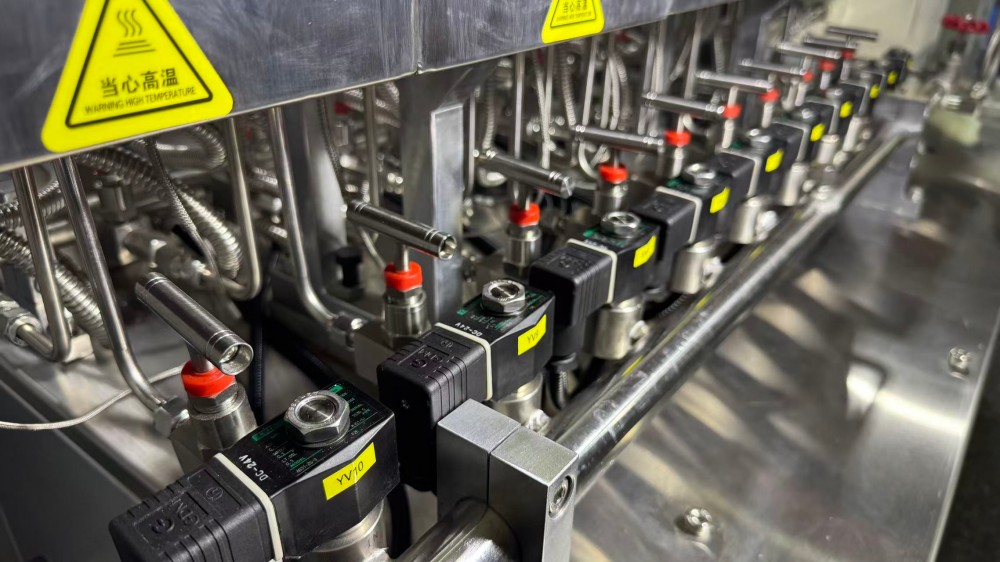
Screw wear can be inspected through regular measurement, surface condition checks, process performance monitoring, and wear analysis before it causes production losses.
Screw wear is one of the most common maintenance challenges in twin screw extrusion systems, especially when processing abrasive materials, high-temperature polymers, or highly filled compounds. If wear develops unnoticed, it can gradually reduce mixing efficiency, increase energy consumption, affect product quality, and create unexpected downtime.
For manufacturers using twin screw extruders, screw inspection should not only be considered after production problems occur. A preventive inspection system helps identify wear trends before they impact output stability.
Common early warning signs include:
Reduced extrusion output under the same operating conditions
Increased motor torque or energy consumption
Poor dispersion or inconsistent material mixing
Longer residence time inside the extruder
Fluctuation in pellet quality or compound properties
Unusual vibration or abnormal operating noise
These signals indicate that the screw flight, screw elements, or conveying sections may have experienced dimensional changes caused by continuous friction and material erosion.
The most reliable method to evaluate screw wear is dimensional measurement compared with the original screw design specifications.
During inspection, engineers typically measure:
Screw flight diameter
Flight edge thickness
Screw element outer diameter
Clearance between screw and barrel
Wear depth on key processing sections
A professional screw wear measurement device can provide more accurate results than visual inspection alone. Small dimensional changes that cannot be seen by the naked eye may already affect material conveying, melting efficiency, and mixing performance.
For twin screw extruders, wear measurement should focus on high-load areas such as:
Feeding zones
Kneading zones
High-shear mixing sections
Discharge sections
These areas usually experience higher mechanical stress and material abrasion.
Visual inspection is useful for identifying obvious damage, but it cannot accurately determine the actual wear condition of screw components.
A screw may appear acceptable while already having:
Reduced flight height
Increased screw-barrel clearance
Surface erosion
Edge rounding
Uneven wear between screw elements
These changes can directly influence extrusion performance.
For example, when screw clearance increases, the backflow of molten material may increase, reducing conveying efficiency and weakening mixing capability. In high-value material production, this can result in unstable product properties and higher material waste.
Therefore, professional manufacturers usually combine visual inspection with dimensional measurement and production data analysis.
Inspection frequency depends on material characteristics, operating conditions, and production requirements.
Typical inspection factors include:
Materials containing glass fiber, mineral fillers, carbon black, or metal powders generally create faster screw wear compared with standard polymers.
High-temperature processing environments may accelerate material degradation and increase corrosion risks.
Extruders operating continuously for long periods require more frequent inspection compared with laboratory or small-batch equipment.
Industries such as battery materials, medical polymers, and engineering plastics often require stricter wear control because small process changes can affect final product performance.
A preventive inspection schedule allows manufacturers to plan screw replacement or refurbishment instead of dealing with unexpected production interruption.
Professional extrusion manufacturers commonly use specialized measurement equipment to evaluate screw and barrel conditions.
A screw wear measurement system can help detect:
Screw diameter reduction
Wear distribution along screw length
Clearance changes
Remaining service life estimation
Compared with manual measurement methods, professional inspection equipment provides more repeatable and traceable results.
For twin screw extrusion systems, accurate wear analysis supports better maintenance decisions, including:
Whether screw elements need replacement
Whether barrel sections require repair
Whether processing parameters need adjustment
Whether production efficiency is declining due to equipment wear
Screw wear directly affects the core functions of a twin screw extruder, including conveying, melting, mixing, and dispersion.
Major impacts include:
Worn screw elements may create weaker shear forces, resulting in uneven additive distribution and inconsistent compound quality.
Increased clearance between screw and barrel reduces conveying efficiency, which may decrease output.
The machine may require additional torque and power to maintain normal production conditions.
Unstable extrusion conditions can lead to more rejected products and longer adjustment periods.
For manufacturers producing engineering plastics, masterbatch, battery materials, or pharmaceutical formulations, controlling screw wear is essential for maintaining consistent product quality.
Preventive maintenance is the most effective way to reduce screw-related production risks.
Recommended practices include:
Establish regular screw inspection records
Monitor torque, pressure, and output changes
Inspect high-wear processing zones first
Use wear-resistant screw elements for abrasive materials
Replace damaged components before secondary damage occurs
A complete maintenance strategy combines equipment monitoring, professional measurement, and timely component replacement.
Twin screw extrusion manufacturers with engineering experience can also help optimize screw configuration according to different materials and processing conditions, reducing unnecessary wear during operation.
Screw wear inspection is not only a maintenance task but also a production quality control process.
For companies operating twin screw extruders, accurate wear evaluation helps:
Maintain stable production output
Reduce unexpected downtime
Extend equipment service life
Improve material processing consistency
Control long-term operating costs
As a twin screw extruder manufacturer, LEMIX focuses on providing reliable extrusion solutions, including advanced equipment design, screw component optimization, and professional technical support for different material processing applications.
Early detection of screw wear allows manufacturers to solve problems before they become production failures.