
Search LEMIX Products
Learn the causes of black specks in extrusion, how material degradation occurs, and how twin screw extrusion technology improves processing stability.
Category:Process Control & Troubleshooting
Author:LEMIX Admin
Date:2026-09-11
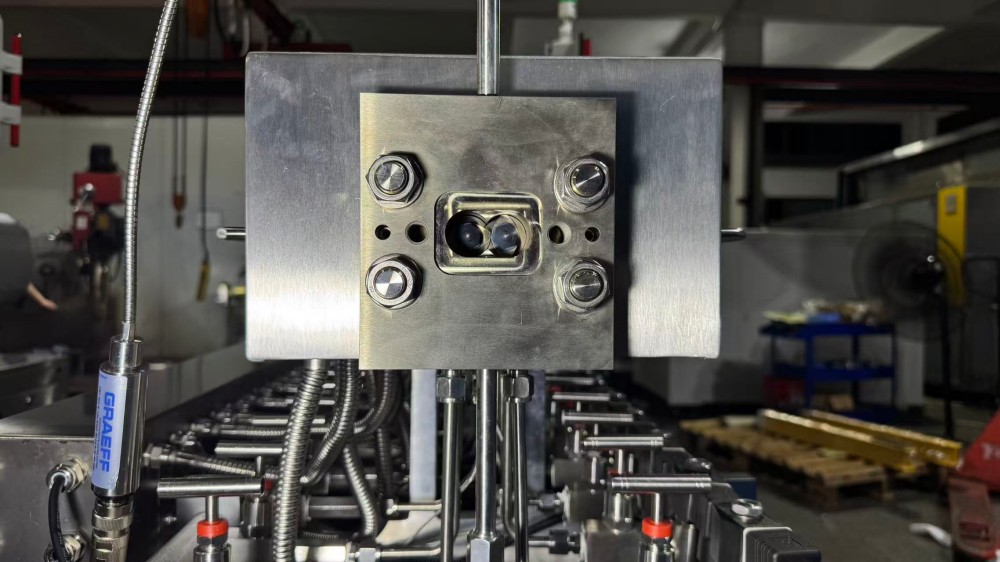
Black specks and material degradation are mainly caused by overheating, material residence time, contamination, poor cleaning, or unsuitable extrusion conditions.
Black specks are a common quality issue in extrusion production, especially in polymer compounding, masterbatch, engineering plastics, and high-performance material processing.
They usually appear as small dark particles inside extruded products and may affect:
Product appearance
Material consistency
Mechanical performance
Customer acceptance
In most cases, black specks are not caused by a single factor. They often result from the interaction between material properties, equipment conditions, and process parameters.
For twin screw extrusion systems, identifying the source of black specks requires analyzing the complete processing process, from feeding and melting to mixing, residence time, and equipment maintenance.
Several factors can contribute to black speck formation.
Thermal degradation is one of the most common causes of black particles.
When polymers remain at high temperatures for too long, molecular chains may break down and form carbonized residues.
Common reasons include:
Barrel temperature set too high
Melt temperature exceeding material limits
Long residence time inside the extruder
Excessive shear heat generation
These degraded materials may detach from internal surfaces and enter the final product.
Residence time refers to how long material stays inside the extrusion system.
A properly designed twin screw extrusion process maintains enough residence time for mixing and processing while avoiding unnecessary heat exposure.
When residence time becomes too long, materials may experience:
Oxidation
Thermal decomposition
Color changes
Reduced mechanical properties
Possible causes include:
Incorrect screw configuration
Low output rate
Improper screw speed
Blocked discharge areas
Poor material flow
Optimizing screw design and operating parameters helps maintain a balanced residence time.
Yes. Internal equipment conditions can directly influence extrusion quality.
During continuous operation, screw elements and barrel surfaces may accumulate:
Carbonized polymer residues
Degraded materials
Previous formulation residues
Contaminants from wear
When these deposits break away, they can appear as black specks in the final product.
High-risk areas usually include:
Mixing sections
High-shear zones
Dead zones inside the barrel
Areas with insufficient material flow
Regular inspection and proper cleaning procedures help reduce this risk.
The screw configuration of a Twin Screw Extruder plays an important role in controlling material processing.
An unsuitable screw arrangement may create:
Excessive shear stress
Local overheating
Poor material movement
Uneven residence time
For example, excessive kneading elements may increase mixing intensity but also generate additional mechanical heat.
A properly designed screw configuration should balance:
Conveying efficiency
Mixing performance
Shear level
Degassing capability
Different materials require different screw designs to achieve stable processing.
When black specks appear, manufacturers should review several process parameters.
Check whether barrel temperatures and melt temperatures exceed the recommended processing range.
Higher screw speeds may increase shear heating and shorten or disturb material flow behavior.
Unexpected torque increases may indicate:
Material blockage
Poor melting
Excessive friction
Incorrect formulation
Unstable feeding can create inconsistent melting and mixing conditions.
Abnormal pressure fluctuations may indicate flow problems inside the extrusion system.
A systematic parameter review is more effective than adjusting only one setting.
Preventing degradation requires controlling both equipment design and production conditions.
Effective methods include:
Maintain processing temperatures within the recommended range for each material.
Proper screw configuration and stable throughput help prevent excessive material exposure.
The screw elements should match the material requirements, balancing mixing intensity and gentle processing.
Regular cleaning prevents accumulated residues from becoming black speck sources.
Tracking torque, pressure, temperature, and output changes helps identify problems before quality issues occur.
Twin screw extruders provide advantages for maintaining consistent material processing.
Key benefits include:
Intermeshing screws create efficient mixing, helping distribute additives and prevent localized overheating.
Modern systems allow accurate control of:
Temperature
Screw speed
Feeding rate
Pressure
Modular screw elements allow manufacturers to adjust processing zones according to material requirements.
Continuous processing reduces variations caused by repeated batch heating and cooling cycles.
A practical troubleshooting approach includes:
Confirm whether raw materials contain contamination or degraded particles before processing.
Examine screws, barrels, and high-temperature areas for residue accumulation.
Analyze temperature, speed, torque, pressure, and output stability.
Determine whether mixing intensity and residence time match the material requirements.
After cleaning or adjustment, verify whether product quality returns to normal.
This systematic approach helps manufacturers identify the real cause instead of treating only the visible symptom.
Material degradation affects more than product appearance. It can influence the overall reliability of extrusion production.
Uncontrolled degradation may lead to:
Higher scrap rates
Increased production costs
Unstable product performance
Customer quality complaints
Reduced equipment efficiency
For industries such as automotive materials, medical polymers, battery materials, and engineering plastics, consistent extrusion quality is essential.
LEMIX develops twin screw extrusion solutions with optimized screw designs, precise process control, and technical support to help manufacturers achieve stable material processing performance.
Understanding the causes of black specks allows manufacturers to improve product quality before defects reach the final application.