
Search LEMIX Products
Learn the differences between low output and high output twin screw extruders and discover which equipment better matches different material processing applications.
Category:Extruder Technology & Selection
Author:LEMIX Admin
Date:2026-10-08
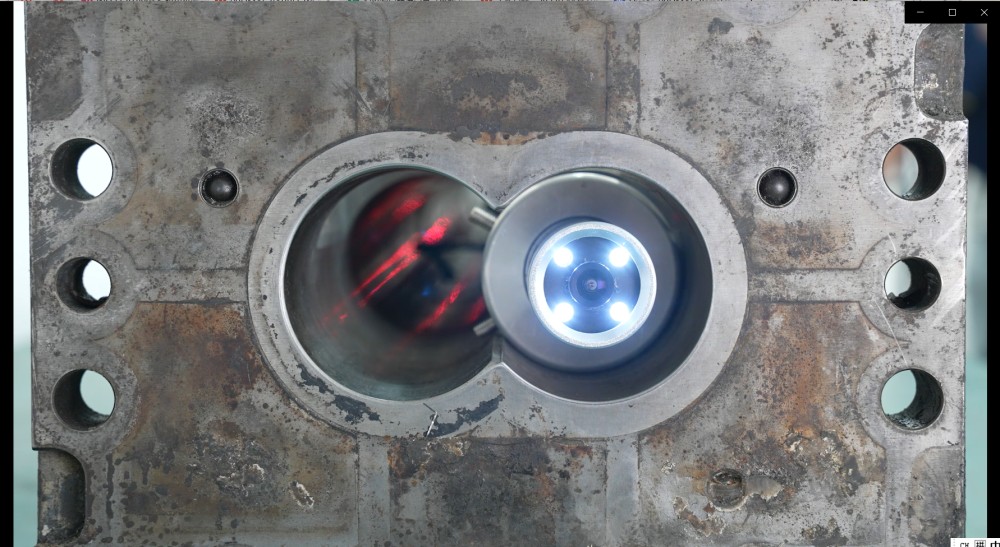
A low output Twin Screw Extruder is better for research, specialty materials, and small batches, while a high output twin screw extruder is designed for large-scale commercial production.
Output capacity is one of the most important factors when selecting a twin screw extruder because it directly affects production efficiency, investment cost, and application suitability.
However, higher output does not always mean better performance.
The correct choice depends on:
Production volume requirements
Material characteristics
Product development stage
Application goals
Future expansion plans
A low output extruder may provide better flexibility for development, while a high output extruder may provide better efficiency for commercial manufacturing.
Understanding the difference helps manufacturers choose equipment that matches their actual production needs.
A low output twin screw extruder is designed for applications requiring smaller processing volumes and greater flexibility.
It is commonly used for:
Laboratory research
Pilot testing
Specialty compound development
Small batch production
Material evaluation
The main advantages include:
Lower material consumption
Easier process adjustment
Reduced operating cost
Faster formulation testing
Low output systems are especially suitable when manufacturers need to explore new materials or optimize processing conditions before moving to larger equipment.
A high output twin screw extruder is designed for industrial production environments requiring large-scale manufacturing.
It focuses on:
High throughput
Continuous operation
Production stability
Manufacturing efficiency
Common applications include:
Engineering plastics
Masterbatch production
Recycled plastic compounding
Battery materials
Large-volume polymer processing
The main objective of high output extrusion is maintaining consistent quality while producing large quantities of material.
The key differences relate to production scale, flexibility, and operating objectives.
| Comparison | Low Output Twin Screw Extruder | High Output Twin Screw Extruder |
|---|---|---|
| Main purpose | Research and specialty production | Commercial manufacturing |
| Output capacity | Lower | Higher |
| Material consumption | Less | More |
| Process flexibility | Higher | Optimized for stability |
| Investment requirement | Lower | Higher |
| Production volume | Small batches | Large-scale production |
Both types use twin screw extrusion technology, but they solve different production challenges.
Low output systems are suitable when manufacturers prioritize flexibility over production volume.
During research, manufacturers need to test:
Different formulations
Additive combinations
Processing conditions
Screw configurations
A low output extruder allows multiple experiments without consuming large amounts of expensive materials.
Some applications require limited production quantities but high customization.
Examples include:
Functional polymers
Research compounds
Advanced materials
Engineers can adjust parameters quickly and evaluate results before scaling up.
High output systems are necessary when production demand becomes the main priority.
They are suitable for:
Large customers require:
Stable supply
Consistent quality
Efficient production
High output extruders are designed for long operating periods with minimal interruption.
Producing larger quantities often reduces production cost per kilogram.
Output capacity influences how manufacturers approach product development.
Low output extrusion supports:
Faster experimentation
Lower material usage
More frequent adjustments
High output extrusion supports:
Production validation
Market supply
Commercial efficiency
Many successful projects move through different equipment stages:
Laboratory → Pilot → Production
This allows manufacturers to develop materials safely before large-scale investment.
Screw configuration plays an important role regardless of output level.
Both systems may use:
Conveying elements
Kneading elements
Mixing elements
Degassing elements
However, their priorities differ.
Focuses on:
Testing flexibility
Material understanding
Process adjustment
Focuses on:
Stable throughput
Energy efficiency
Long-term reliability
The screw configuration should always match the material and application requirements.
Different materials require different extrusion strategies.
Low output systems are often used during formulation research because materials may be expensive and require careful testing.
High output systems are suitable when commercial production volume is required.
Development may begin with low output equipment before moving to higher capacity production systems.
High output systems are often preferred for continuous recycling operations.
The correct output level depends on both material value and production demand.
Higher output does not automatically guarantee better quality.
Product quality depends on:
Screw design
Temperature control
Feeding accuracy
Material characteristics
Process monitoring
A properly designed high output system can maintain excellent quality during large-scale production.
However, using a high output machine for early development may create unnecessary complexity.
A low output extruder can support limited commercial production, especially for specialty materials.
However, it may not be suitable when manufacturers require:
Large quantities
Continuous supply
Lower production cost
The equipment should match the expected production scale.
The selection should consider several factors.
Developing new materials
Testing formulations
Producing small batches
Working with expensive materials
Commercial production is required
Large quantities are needed
Long-term operation is planned
Production efficiency is important
The best equipment is not always the largest one. It is the one that matches the application.
Selecting the correct output capacity helps manufacturers achieve a balance between:
Production efficiency
Investment cost
Process flexibility
Product quality
A machine that is too small may limit growth.
A machine that is too large may increase unnecessary costs.
LEMIX provides laboratory, pilot, and industrial twin screw extrusion solutions designed for different material processing requirements.
By selecting the appropriate output level, manufacturers can improve production performance and support long-term development goals.