
Search LEMIX Products
Learn how to set TPE/TPU compounding temperatures by material type, drying, screw design, venting, and quality needs while using LEMIX twin screw extrusion systems for stable dispersion, output, and processing.
Category:Process Control & Troubleshooting
Author:LEMIX Admin
Date:2026-07-28
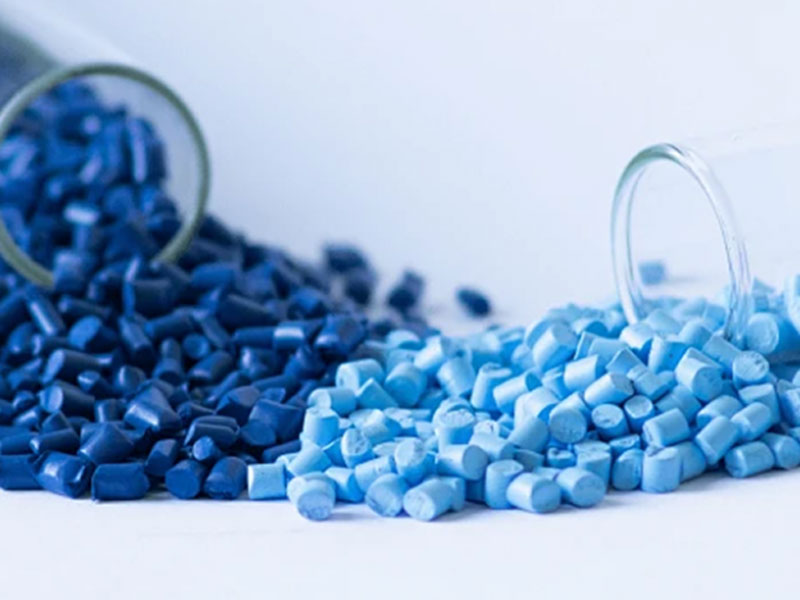
The right compounding temperature for TPE and TPU depends on the base polymer, additive system, moisture level, screw design, residence time, and product quality target. In most TPE/TPU compounding, the temperature is commonly controlled between 80°C and 225°C, and it should normally stay below 250°C to reduce thermal degradation risk.
TPE and TPU compounding usually works within a controlled temperature window rather than one fixed temperature. For many TPE/TPU formulations, the general compounding temperature range is about 80°C to 225°C. The exact profile should be adjusted according to the material type, such as SEBS, SBS, TPV, TPU, TPR, or other elastomer blends.
The upper processing limit is normally kept below 250°C. This helps reduce polymer degradation, yellowing, odor, surface defects, and loss of elasticity. A lower temperature may not melt or mix the material fully. A higher temperature may damage the polymer or cause additives to break down.
For this reason, the best temperature setting is the lowest profile that can still provide stable melting, uniform dispersion, smooth discharge, and good pellet quality.
A TPE/TPU temperature profile should be set by barrel zone. Each zone has a different role in feeding, melting, mixing, venting, and discharge.
| Barrel Section | Temperature Purpose | Common Adjustment Logic |
|---|---|---|
| Feeding zone | Prevent early sticking and bridging | Keep lower than melting zones |
| Melting zone | Soften resin and start plasticizing | Raise gradually based on melt quality |
| Mixing zone | Support filler, oil, and additive dispersion | Keep stable enough for uniform compounding |
| Venting zone | Help moisture and volatiles escape | Avoid melt flooding at the vent |
| Discharge zone | Stabilize die pressure and pellet flow | Keep flow smooth without overheating |
The feeding zone should not be too hot. If the material softens too early, it may stick near the feed throat and cause unstable feeding. The melting and mixing zones need enough heat for the polymer to soften and for fillers, oils, pigments, and additives to disperse. The venting zone should support gas release without allowing melt to escape from the vent port. The discharge zone should keep stable pressure before pelletizing.
Different TPE systems need different temperature control because their base polymers, softening oils, fillers, and additives behave differently during compounding.
SEBS and SBS-based TPEs often need careful oil absorption and dispersion. If the temperature is too low, oil and polymer may not mix well. If the temperature is too high, the material may become too fluid and create slippage or unstable pelletizing.
TPV compounds require enough energy to process the rubber-plastic phase system, but the temperature still needs to avoid degradation. TPU is more sensitive to moisture and thermal history, so drying and controlled residence time become more important.
A practical setting should start from the material supplier’s processing window, then be refined by torque, pressure, pellet appearance, odor, surface smoothness, and mechanical property testing.
TPU usually requires stricter control than many general TPE blends. TPU can be sensitive to moisture, overheating, and long residence time. If TPU is not dried well, water can vaporize during extrusion and create bubbles, voids, rough surface, and unstable pellets.
TPU temperature should be high enough to melt and compound smoothly, but not so high that it causes degradation or weakens performance. The line should also avoid dead zones where material stays too long. Long local residence time can create burnt particles or color change.
A Twin Screw Extruder with good self-cleaning performance helps reduce material buildup on screw surfaces. This is useful for TPU and TPE compounds because it lowers the risk of local overheating and thermal degradation.
If the temperature is too low, TPE or TPU may not melt and mix correctly. The extruder may show high torque, unstable pressure, rough strands, poor pellet shape, weak dispersion, and visible filler or pigment spots.
Low temperature can also make the material harder to push through the screw and die. This may increase motor load and reduce output stability. In some formulations, poor melting can also make oil absorption worse. The final compound may show uneven softness, poor surface feel, or unstable physical properties.
When low temperature is suspected, the first adjustment is usually a small increase in the melting or mixing zones. The change should be gradual. A large temperature jump may create a new problem, especially for heat-sensitive formulations.
If the temperature is too high, TPE and TPU compounds may degrade. Common signs include yellowing, strong odor, black specks, smoke, sticky strands, weak melt strength, poor surface appearance, and reduced elasticity.
High temperature can also make processing oil or low-molecular additives more likely to volatilize. This may increase bubbles, vent load, and surface defects. In some TPE systems, too much heat can also disturb the balance between resin, elastomer, oil, filler, and compatibilizer.
The correct response is not always to lower every zone. The team should first identify where the overheating happens. Local overheating may come from high shear screw elements, too high screw speed, blocked die holes, poor cooling, low feed rate, or long residence time. Temperature setting should be reviewed together with screw design and operating data.
Screw speed changes the real melt temperature because it changes shear and friction. The barrel display may show one temperature, but the material inside the screw can become hotter because of mechanical energy.
Higher screw speed can improve mixing and dispersion. It can also increase shear heat. This may help some compounds melt faster, but it can create degradation risk for TPU or soft TPE formulas. Lower screw speed can reduce shear heat, but it may also reduce dispersion and increase residence time if feed rate is not balanced.
The best setting should keep torque, pressure, pellet quality, and surface appearance stable. Temperature cannot be optimized alone. It must be checked together with screw speed, feed rate, screw configuration, and vacuum venting.
Drying has a direct effect on temperature stability and product quality. Hygroscopic raw materials should be dried before compounding. A common drying reference for moisture-sensitive materials is around 80°C for 2–4 hours, but the final condition should follow the exact material requirement.
If moisture remains in the material, the operator may think the temperature is wrong because bubbles, rough surface, or voids appear. In reality, the main issue may be water vaporization. Raising the temperature may make the problem worse.
For TPU and moisture-sensitive TPE compounds, drying should be checked before changing the temperature profile. Stable drying can reduce bubbles, improve pellet appearance, and make the extrusion process easier to control.
Processing oil must be fully absorbed by the resin system. If oil is not absorbed well, the compound may show oil bleeding, surface slippage, unstable feeding, weak pellet quality, or poor mechanical performance.
Temperature affects oil absorption and material compatibility. If the temperature is too low, oil may not enter the polymer phase well. If the temperature is too high, low-molecular substances may volatilize or make the melt too slippery.
Materials with different polarity may also need suitable compatibilizers. A good compatibilizer helps different phases mix better. This can improve dispersion, oil absorption, surface feel, and property stability. In many TPE/TPU lines, temperature control, screw design, and compatibilizer selection must be developed together.
A twin screw extruder helps control TPE/TPU compounding because it provides strong mixing, stable conveying, self-cleaning action, modular screw design, modular barrel layout, multi-point feeding, and efficient venting.
LEMIX twin screw extruders are suitable for TPE/TPU compounding because the screws and barrels can be configured for conveying, melting, shearing, venting, and discharge. The barrel can also support segmented feeding and vacuum venting. This is useful when the process needs front-section resin melting, middle-section oil injection, and rear-section filler or flame retardant feeding.
The self-cleaning action of intermeshing twin screws helps scrape material from the screw surface. This reduces local residence time and helps lower thermal degradation risk. The modular screw system also allows the process to be adjusted for different TPE/TPU formulas.
Internal link suggestion: Twin Screw Extruder
Feeding points should be arranged according to material behavior. Not all ingredients should enter the first barrel section.
For many TPE/TPU compounds, the base resin can be added in the front section. Processing oil can be injected through a liquid metering pump after the polymer begins to soften. Glass fiber, flame retardants, fillers, or other sensitive additives can be added later through side feeding when needed.
This method can reduce feeding instability, improve oil absorption, protect sensitive additives, and support better dispersion. It can also reduce the need to use excessive temperature in the front zones.
LEMIX TPE/TPU application guidance supports multi-point feeding. This includes melting resin in the front section, adding processing oil in the middle section, and feeding glass fiber or flame retardants in the rear section when required.
Internal link suggestion: TPE/TPU Application
Vacuum venting removes moisture, air, volatiles, and low-molecular substances from the melt. This is important for TPE/TPU because bubbles and surface defects are often linked to moisture or volatile release.
Without efficient vacuum venting, the operator may try to solve bubbles by lowering or raising temperature. This may not solve the root cause. Proper venting can make the process more stable and reduce the need for extreme temperature changes.
The venting zone should be warm enough to let volatiles escape, but the screw filling level must not be too high near the vent. If melt floods the vent port, the team should check feed rate, screw speed, screw design, and local temperature.
LEMIX twin screw extrusion systems can be configured with multiple vacuum vent ports to remove moisture and volatiles during TPE/TPU compounding.
A correct temperature profile should create a stable process and a clean final compound. The line should show stable torque, stable melt pressure, smooth strand flow, low bubble level, even pellet shape, good surface appearance, and consistent softness or hardness.
Good temperature control can also support better filler dispersion, pigment uniformity, oil absorption, and batch consistency. The finished material should not show strong odor, black specks, yellowing, surface stickiness, or visible unmelted particles.
A practical check should include both machine data and product testing. Machine data shows process stability. Product testing shows whether the compound meets the final performance target.
A practical starting method is to begin with the material’s recommended processing range, then set a gradual barrel profile from feeding to discharge. The first trial should use moderate screw speed and stable feed rate. The team should then adjust one factor at a time.
A simple process can follow these steps:
Confirm the TPE or TPU grade and supplier processing range.
Dry moisture-sensitive materials before feeding.
Keep the feeding zone lower to avoid sticking.
Raise the melting and mixing zones gradually.
Use vacuum venting to remove moisture and volatiles.
Watch torque, pressure, strand surface, and pellet shape.
Adjust screw speed and feed rate together.
Record the final stable temperature profile.
This method helps avoid random adjustment. It also makes the process easier to repeat when the same formula is produced again.
| Problem | Likely Temperature-Related Cause | What to Check |
|---|---|---|
| Bubbles | Moisture vaporization or poor venting | Drying, vacuum, vent zone temperature |
| Black specks | Local overheating or dead zones | Screw self-cleaning, residence time, high-shear zones |
| Rough pellets | Poor melting or unstable discharge | Melting zone, die zone, pressure |
| Oil bleeding | Poor oil absorption or weak compatibility | Middle-zone temperature, oil feeding point, compatibilizer |
| High torque | Low melt temperature or high viscosity | Melting zones, screw speed, feed rate |
| Yellowing | Excessive heat history | High-temperature zones, screw speed, residence time |
| Poor color dispersion | Weak mixing or low temperature | Mixing zone, kneading elements, pigment feeding |
LEMIX supports TPE/TPU compounding through twin screw extrusion systems designed for high dispersion, strong shearing, self-cleaning discharge, modular screw and barrel configuration, multi-point feeding, vacuum venting, and continuous production.
For temperature-sensitive TPE/TPU formulas, the modular screw system helps balance mixing and heat input. The modular barrel system supports feeding, degassing, venting, and process matching. The cooling and heating system helps maintain a more stable process window. The pressure and temperature sensors help operators monitor process changes during production.
This makes the equipment suitable for TPE/TPU compounding lines that need stable output, uniform dispersion, reduced degradation, better surface quality, and repeatable batch performance.
Relevant pages:
The right compounding temperature for TPE and TPU should be set by material type, drying condition, screw speed, feed rate, screw configuration, venting efficiency, and final product quality. A common working range is about 80°C to 225°C, with the maximum processing temperature normally kept below 250°C to reduce degradation risk.
A stable TPE/TPU compounding process should use a gradual barrel temperature profile, proper drying, controlled oil feeding, suitable compatibilizers, efficient vacuum venting, and a twin screw extruder that can provide strong dispersion without excessive heat history.
LEMIX twin screw extrusion systems support this process through modular screw and barrel design, multi-point feeding, self-cleaning performance, vacuum venting, and continuous production for TPE/TPU compounding applications.