
Search LEMIX Products
Learn what specific torque means in twin screw extrusion, including calculation, screw speed, feed rate, material effects, scale-up, and process optimization.
Category:Pharmaceutical Extrusion Technology
Author:LEMIX Admin
Date:2026-08-28
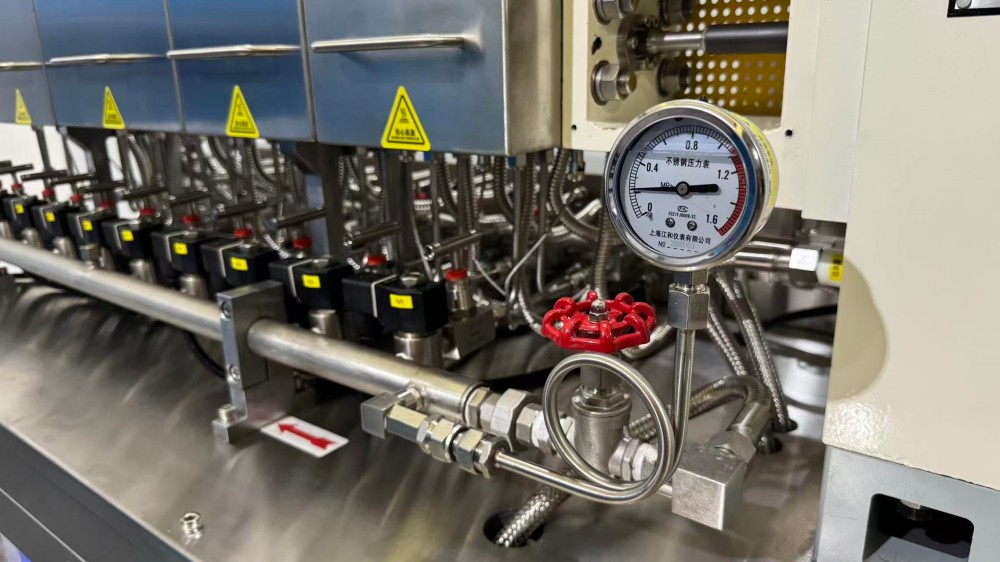
Specific torque in twin screw extrusion represents the torque load adjusted by screw diameter and motor capacity. It helps evaluate extrusion performance, mixing capability, filling level, and processing efficiency under different operating conditions.
Specific torque is a normalized measurement used to describe how much mechanical load is applied during twin screw extrusion.
Unlike total torque, which only shows the actual motor load, specific torque considers equipment size and allows comparison between different extruders.
Specific torque reflects the relationship between:
Motor torque
Screw diameter
Extruder capacity
Material resistance
Processing conditions
It is commonly used when evaluating:
Polymer compounding performance
Twin Screw Extruder selection
Scale-up from laboratory to production
Process optimization
Material behavior
A suitable specific torque range helps manufacturers understand whether the extrusion process is operating efficiently.
Specific torque provides information about how effectively the extruder is using available mechanical energy.
During twin screw extrusion, torque is generated by the resistance created when processing materials.
The torque level is influenced by:
Material viscosity
Filling level
Screw configuration
Screw speed
Temperature profile
Feed rate
Mixing intensity
Monitoring specific torque helps identify whether the process has:
Stable material flow
Appropriate screw loading
Sufficient mixing energy
Risk of overload
Potential process instability
For different materials, the ideal specific torque range may vary because each formulation has different processing requirements.
Torque and specific torque are related but represent different information.
| Parameter | Meaning |
|---|---|
| Torque | Actual mechanical load applied to the extruder motor |
| Specific torque | Torque normalized according to extruder size and capacity |
Total torque is useful for monitoring one machine during operation.
Specific torque is more useful when comparing:
Different extruder models
Laboratory and production systems
Different screw diameters
Scale-up conditions
For example, two twin screw extruders may show different torque values because of different sizes, but specific torque provides a more meaningful comparison.
Specific torque is calculated by relating the available torque to the screw diameter and machine design parameters.
The calculation method may vary depending on equipment manufacturers, but the concept is to normalize torque so that extrusion performance can be compared across different equipment sizes.
The value is usually expressed as:
Percentage of maximum torque
Torque per screw volume
Torque related to screw diameter
Specific torque is commonly used during:
Equipment selection
Process development
Scale-up evaluation
Production optimization
Screw speed has a direct influence on torque behavior.
Increasing screw speed may:
Increase conveying capacity
Increase mixing intensity
Reduce residence time
Change torque demand
However, the relationship is not always linear.
Higher screw speed may reduce torque in some cases because material moves through the extruder faster and barrel filling decreases.
Lower screw speed may increase torque when:
Material residence time increases
Barrel filling becomes higher
Material experiences longer shear exposure
The actual effect depends on:
Material viscosity
Screw configuration
Feed rate
Temperature conditions
Feed rate is one of the main factors affecting specific torque.
When feed rate increases:
More material enters the barrel
Filling level increases
Material resistance increases
Torque usually rises
When feed rate decreases:
Barrel filling decreases
Torque may decrease
Mixing behavior may change
An excessive feed rate may cause:
High torque
Pressure increase
Unstable output
Motor overload risk
A low feed rate may result in:
Poor mixing efficiency
Lower productivity
Inconsistent material dispersion
The feed rate should match the screw capacity and material characteristics.
Screw configuration determines how much resistance and mixing energy are generated inside the extruder.
Different screw elements create different torque requirements.
| Screw Element | Effect on Specific Torque |
|---|---|
| Conveying elements | Lower resistance, stable transport |
| Kneading blocks | Higher mixing intensity and torque |
| Reverse elements | Increase filling and pressure |
| Mixing elements | Improve dispersion with additional resistance |
A screw configuration with strong mixing sections may increase specific torque because more mechanical energy is transferred into the material.
However, excessive restriction may create:
High torque
Temperature increase
Reduced output stability
LEMIX provides modular screw elements that allow engineers to optimize mixing, conveying, and torque balance for different applications.
Internal link:
Material viscosity directly affects the resistance against screw rotation.
Higher viscosity materials usually create:
Higher torque demand
Higher pressure
Increased energy consumption
Lower viscosity materials usually require:
Less mechanical force
Lower torque
Material factors affecting viscosity include:
Polymer type
Temperature
Additive content
Filler loading
Moisture content
Molecular weight
For example:
Engineering plastics and highly filled compounds often require higher torque capacity compared with standard polymer systems.
Temperature changes influence material viscosity and therefore affect torque.
When temperature increases:
Polymer viscosity decreases
Material flows more easily
Torque may decrease
When temperature decreases:
Melt viscosity increases
Flow resistance increases
Torque may rise
However, excessive temperature may affect:
Material stability
Product quality
Energy consumption
A stable temperature profile helps maintain predictable specific torque behavior.
Specific torque is an important reference when selecting extrusion equipment.
The correct extruder should provide enough torque capacity for the intended material and application.
Selection factors include:
Material type
Required output
Screw diameter
Motor capacity
Maximum torque capability
Processing temperature
Screw configuration
Applications requiring high mixing energy may require higher torque capacity.
Examples include:
Engineering plastics
Fiber-filled compounds
High-performance polymers
Pharmaceutical formulations
Specialty materials
LEMIX provides laboratory, pilot, and production twin screw extruders designed for different processing requirements.
Internal links:
Specific torque is especially useful when transferring processes from laboratory equipment to production machines.
During scale-up, manufacturers need to compare:
Torque behavior
Filling level
Screw configuration
Residence time
Melt temperature
Output stability
A laboratory extruder and production extruder may have different sizes, but maintaining similar material processing conditions helps improve scale-up success.
Important scale-up factors include:
Similar screw design principles
Similar specific torque range
Comparable mixing intensity
Stable temperature control
High specific torque indicates that the extruder is experiencing strong resistance during processing.
Possible causes include:
High material viscosity
Excessive feed rate
Strong screw restriction
Low processing temperature
Poor melting
Excessive filler content
High specific torque may lead to:
Motor overload
Higher energy consumption
Increased melt temperature
Reduced production stability
The cause should be identified before simply reducing torque through operating changes.
Low specific torque may indicate that the extruder is operating below its available processing capacity.
Possible causes include:
Low feed rate
Poor material feeding
Insufficient filling
Low mixing resistance
Incorrect screw configuration
Low specific torque does not always mean poor performance. Some applications require lower mechanical energy to protect sensitive materials.
The evaluation should consider:
Product requirements
Material characteristics
Output target
Quality performance
Improving specific torque stability requires controlling the complete extrusion process.
Key actions include:
Maintaining stable feeding
Optimizing screw configuration
Controlling temperature
Matching screw speed and output
Monitoring material variation
Maintaining extrusion components
Regular equipment inspection is also important because wear can change extrusion behavior.
LEMIX provides extrusion maintenance solutions including:
Screw cleaning equipment
Barrel wear measurement devices
Screw elements
Relevant pages:
Barrel Wear Measurement Device PROMAC-S
LEMIX provides twin screw extrusion solutions for polymer compounding, pharmaceutical processing, and specialty material applications.
Solutions include:
| Requirement | LEMIX Solution |
|---|---|
| Material development | Laboratory twin screw extruders |
| Production compounding | Twin screw extrusion systems |
| Screw optimization | Modular screw elements |
| Process monitoring | Extrusion control solutions |
| Equipment maintenance | Cleaning and inspection systems |
Relevant pages:
Specific torque is an important parameter for understanding twin screw extrusion performance because it connects motor load with machine capacity and material processing behavior.
By monitoring specific torque together with screw speed, feed rate, temperature, and screw configuration, manufacturers can improve process stability, equipment selection, and production efficiency.
A balanced specific torque range helps achieve reliable extrusion performance across laboratory development, pilot testing, and industrial production.