
Search LEMIX Products
Learn how twin screw extruders process thermoset materials through low temperature, mild shear, controlled residence time, rapid discharge, cooling, and LEMIX equipment support for stable premix quality and safer production.
Category:Materials & Applications
Author:LEMIX Admin
Date:2026-07-29
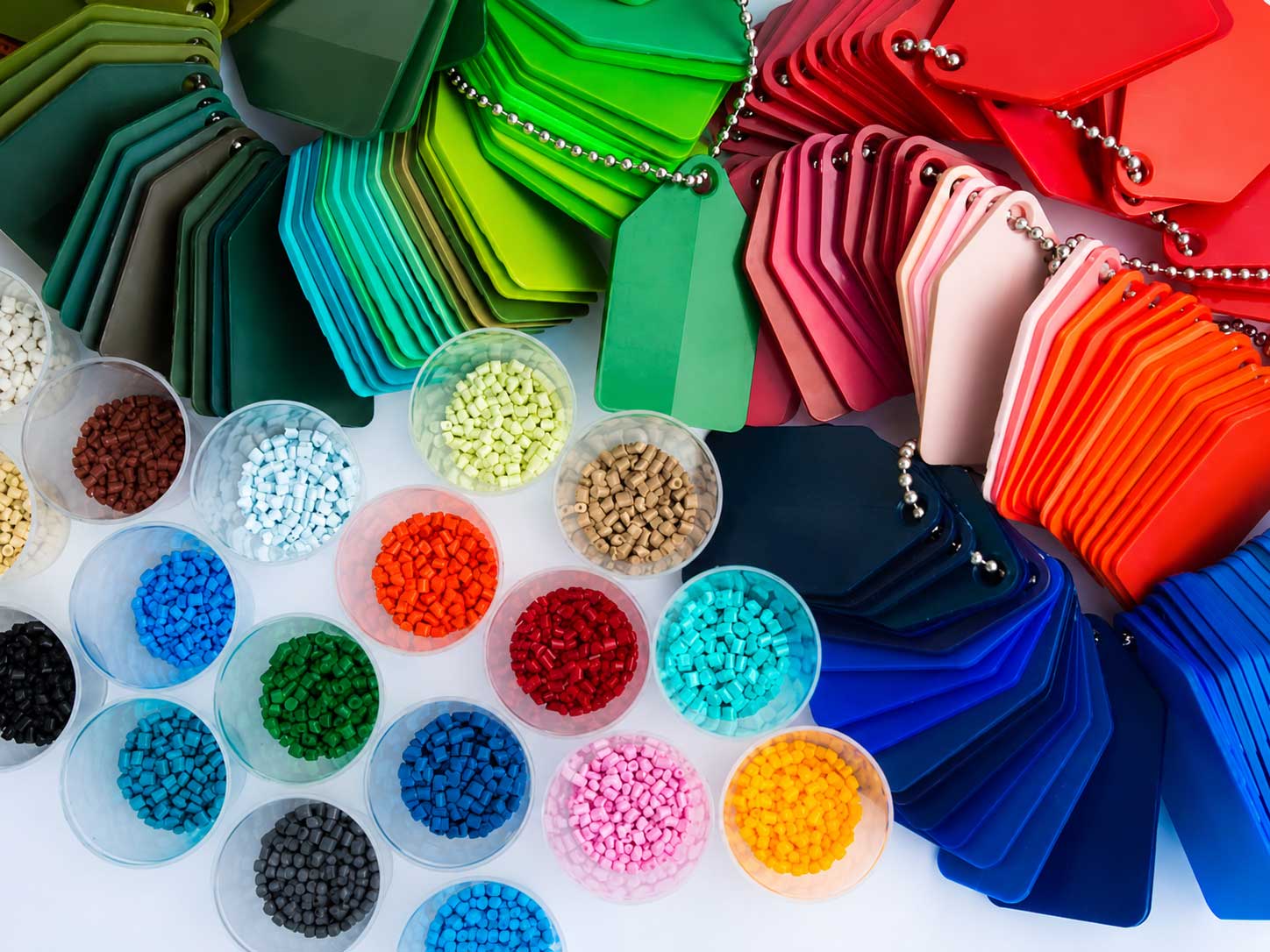
A Twin Screw Extruder processes thermoset materials by using low temperature, mild shear, strong distributive mixing, narrow residence time, fast discharge, and rapid cooling. The goal is to blend resin, curing agents, fillers, and fibers evenly before irreversible crosslinking starts.
Thermoset materials are different from thermoplastics because they do not simply melt, flow, cool, and melt again. When thermoset materials are heated, pressed, or mixed with curing agents, they form a three-dimensional crosslinked network. After curing, they cannot soften or melt again by reheating.
Common thermoset resin systems include epoxy resin, phenolic resin, polyurethane, and unsaturated polyester resin. These materials are used in coatings, adhesives, electrical parts, electronic encapsulation, foamed materials, synthetic leather, automotive parts, building materials, and glass fiber reinforced products.
This curing behavior makes extrusion more difficult. The process must blend the material well, but it must not create too much heat, pressure, or residence time. If the material cures inside the barrel, the line may face shaft sticking, blocked discharge, black gel lumps, unstable output, and difficult cleaning.
The basic goal is to make a homogeneous premix before final curing. The twin screw extruder should distribute resin, curing agents, fillers, fibers, and additives evenly while keeping the material below the risk point for premature crosslinking.
For thermoset compounding, the main target is not aggressive melting. The main target is controlled premixing. The material only needs to reach a suitable flow state, so it can be distributed evenly and discharged quickly.
A good process should achieve:
Stable resin viscosity
Uniform filler and fiber distribution
Low material temperature
Mild and uniform shear
Short and consistent residence time
No local overheating
No dead zones inside the barrel
Fast discharge into a cooling stage
Thermoset materials enter the extruder through the feeding section. Resin, curing agents, fillers, fibers, and additives may be fed from different barrel openings depending on the formula.
The screws convey the material forward and create controlled mixing. In thermoset processing, the screw design should avoid excessive shear. The material is mixed mainly by distributive mixing, not by strong dispersive kneading. This helps spread ingredients evenly without creating a high local temperature.
After mixing, the material should leave the barrel quickly through a low-resistance discharge section. The extrudate then enters cooling equipment, such as a cooling conveyor belt or cooling press rolls. Cooling helps slow or stop reaction development before the next forming process.
Thermoset extrusion is mainly controlled by temperature, shear force, material distribution, residence time, and discharge resistance.
| Control Point | What It Controls | Risk If Poorly Controlled |
|---|---|---|
| Temperature | Resin viscosity and curing risk | Premature curing, gel lumps, shaft sticking |
| Shear force | Mixing energy and frictional heat | Fiber breakage, thermal degradation, local curing |
| Material distribution | Filler, fiber, and additive uniformity | Agglomeration, weak forming quality, unstable properties |
| Residence time | Time under heat and shear | Barrel curing, dead-zone degradation, blocked flow |
| Discharge speed | Heat and pressure near outlet | Pressure-induced temperature rise, unstable strip or sheet |
These control points should be reviewed together. A good barrel temperature cannot solve the problem if the screw creates too much shear. A good screw design cannot solve the problem if the discharge section creates high pressure and extra heat.
Temperature should be controlled with a low-temperature compounding strategy. The barrel should make the resin reach a suitable flow state, but it should not push the material close to curing conditions.
A circulating cold water cooling system is important for thermoset extrusion. Strong cooling capacity helps stabilize resin viscosity and reduce high-temperature gel formation. Each barrel section should be controlled separately, because feeding, mixing, and discharge zones do not need the same thermal condition.
The temperature profile should be designed according to resin type, curing agent activity, filler loading, fiber type, and expected residence time. Epoxy, phenolic, polyurethane, and unsaturated polyester systems may all need different settings.
A practical temperature rule is simple: use the lowest barrel temperature that still allows smooth distribution and stable discharge.
Thermoset compounding needs mild and uniform shear. High shear kneading blocks should be avoided when the formula is sensitive to frictional heat or fiber breakage.
Excessive shear can cause several problems. It can raise the local material temperature. It can speed up crosslinking. It can break glass fiber, carbon fiber, hemp fiber, flax fiber, or other reinforcing fibers. It can also create local cured particles that later appear as defects.
A better screw design uses distributive mixing elements. These elements spread the material across the screw channel in a gentler way. The aim is to move, divide, recombine, and distribute the material without forcing it through strong high-shear zones.
LEMIX thermoset processing guidance uses the idea of “weak shear with strong distribution.” This is a key difference between thermoset extrusion and many thermoplastic compounding processes.
Thermoset compounds often contain high filler loading. In some formulas, fillers, additives, and reinforcing fibers may reach 30% to 70% of the compound. This makes feeding and distribution very important.
A segmented open-barrel design is useful because it allows fillers and fibers to be added in the middle or rear sections without heavy pressure. This can reduce fiber breakage and make cleaning easier.
For fiber-reinforced thermosets, the resin should usually start moving and wetting before the fiber loading becomes too aggressive. When glass fiber, carbon fiber, natural fiber, or mineral filler is added too early or under too much shear, the material may show poor fiber length retention, weak strength, or uneven distribution.
A practical feeding layout may use:
Front section for resin and main components
Middle section for selected fillers or additives
Rear section for fibers or sensitive components
Open barrel sections for easier feeding and cleaning
Screw configuration is one of the most important parts of thermoset extrusion. The screw should move material forward, distribute ingredients evenly, avoid dead corners, and discharge the material quickly.
For thermoset materials, the screw layout is usually different from a high-shear plastic compounding screw. It should reduce strong kneading sections and use more gentle distribution sections. It should also avoid areas where material can stay for too long.
A suitable screw configuration should support:
Stable conveying
Gentle wetting of fillers
Uniform distribution of resin and additives
Low frictional heat
Short residence time
Low pressure before discharge
Easy cleaning after production
LEMIX twin screw extrusion systems use modular screw and barrel configurations. This makes it possible to adjust the process for different thermoset resins, filler loadings, fiber systems, and discharge requirements.
link: Twin Screw Extruder
Residence time means how long the material stays inside the extruder. For thermoset materials, residence time must be short and consistent.
If some material stays too long in the barrel, it may start curing before discharge. This can create gel lumps, black spots, hardened deposits, shaft sticking, or sudden pressure rise. If residence time varies too much, one part of the material may remain under-mixed while another part may be over-heated.
A narrow residence time distribution is needed. This means most material should pass through the extruder under similar heat and shear conditions. The screw design should avoid dead zones, stagnation points, and unnecessary back-pressure.
Short L/D design is often used for thermoset materials because it reduces total heating time inside the barrel. The exact L/D should still be selected based on resin type, filler loading, mixing need, and discharge method.
Rapid discharge is important because thermoset materials should not stay under heat and pressure longer than needed. The discharge section should have low resistance, so the material can leave the barrel before curing develops.
High die resistance can raise pressure at the outlet. Higher pressure can also create additional heat. This may increase curing risk near the die head. Once cured material forms near the outlet, the extrusion line can become unstable very quickly.
After discharge, the extruded strip, sheet, or premix should enter cooling equipment immediately. A cooling conveyor belt or press roll system can remove heat and help control the reaction before the next forming step.
The discharge strategy should be simple: reduce resistance, reduce heat buildup, discharge quickly, and cool immediately.
Thermoset formulas often contain abrasive inorganic fillers such as quartz powder, aluminum hydroxide, mineral powder, glass fiber, and other reinforcing materials. These materials can cause heavy wear on screw elements, barrel liners, and discharge parts.
Wear can change the process over time. The line may show lower conveying efficiency, unstable output, poor distribution, higher temperature fluctuation, or more difficult pressure control. Worn screws and barrels may also create dead zones where material can stay too long.
Wear-resistant and corrosion-resistant coatings are important for thermoset compounding. Screw elements and barrel liners should be selected according to filler type, filler loading, resin chemistry, and expected running time.
Maintenance should not wait until serious failure happens. Barrel wear inspection, screw cleaning, screw disassembly, and cooling channel maintenance can help keep the process stable.
link: Barrel Wear Measurement Device PROMAC-S
Thermoset extrusion problems often appear quickly because curing behavior is irreversible. Once the material starts curing inside the barrel, it cannot be recovered by simply lowering the temperature.
| Problem | Possible Cause | What to Check |
|---|---|---|
| Premature curing | High temperature, high shear, long residence time | Cooling capacity, screw design, speed, discharge resistance |
| Gel lumps | Local overheating or dead zones | Barrel temperature, screw configuration, material stagnation |
| Fiber breakage | Excessive shear or wrong feeding point | Screw elements, side feeding position, screw speed |
| Poor filler distribution | Weak distributive mixing | Mixing elements, feed sequence, barrel opening |
| Shaft sticking | Local curing around the screw | High-shear zones, cooling, residence time |
| Output fluctuation | Unstable feeding or partial curing | Feeder, material flow, barrel condition |
| Black spots | Degraded or cured residue | Dead zones, cleaning, temperature control |
| High wear | High filler loading or abrasive material | Screw/barrel material, coating, wear inspection |
A twin screw extruder supports thermoset premix quality by providing controlled conveying, modular screw design, segmented temperature control, open-barrel feeding, mild shear, and continuous distribution.
Compared with batch mixing, twin screw extrusion can provide more continuous output and better process repeatability when the formula and equipment are designed correctly. The process is easier to connect with downstream cooling, forming, or sheet handling equipment.
For thermoset materials, the value of the twin screw extruder is not only mixing strength. The real value is controlled mixing under low heat history. This is why the machine needs strong cooling, suitable screw elements, short and clean material paths, and quick discharge design.
LEMIX supports thermoset processing through twin screw extrusion systems designed around precise temperature control, mild shear, strong material distribution, narrow residence time distribution, and rapid discharge.
The thermoset application page highlights several process features:
High-precision segmented temperature control
Channel-type water-cooled barrel design
Modular segmented screw combination
Weak shear with strong distribution
Special screw design to avoid dead corners
Low-pressure rapid discharge
Immediate cooling after discharge
Segmented open barrel for high filler or fiber addition
Wear-resistant and corrosion-resistant coating
Short L/D design to reduce heating time
These features are suitable for thermosetting materials such as epoxy resin, phenolic resin, polyurethane, and unsaturated polyester resin. They are also useful for formulas reinforced with natural fibers, glass fiber, carbon fiber, quartz powder, aluminum hydroxide, and other inorganic fillers.
link: Thermoset Application
Before selecting a twin screw extruder for thermoset materials, the following information should be confirmed:
Resin type
Curing agent type and activity
Filler type and loading percentage
Fiber type and target fiber length retention
Target premix form
Required output
Maximum allowable material temperature
Required residence time
Feeding sequence
Cleaning requirements
Cooling method after discharge
Wear and corrosion risk
Downstream forming process
This information helps determine screw design, barrel layout, L/D ratio, cooling capacity, discharge method, and wear-resistant configuration.
A twin screw extruder processes thermoset materials by keeping the material cool enough, mixing it gently, distributing fillers and fibers evenly, controlling residence time tightly, and discharging the premix quickly before curing begins.
Thermoset extrusion is different from normal thermoplastic compounding. The process must avoid excessive temperature, high shear, dead zones, long residence time, and high discharge pressure. A suitable system should use segmented temperature control, channel-type water cooling, modular low-shear screw design, open-barrel feeding, wear-resistant components, rapid discharge, and immediate cooling.
LEMIX twin screw extrusion systems support thermoset processing through precise temperature control, weak shear with strong distribution, narrow residence time distribution, and rapid discharge design. These features help improve premix stability, filler distribution, fiber protection, and long-term production reliability.
Relevant pages: