
Search LEMIX Products
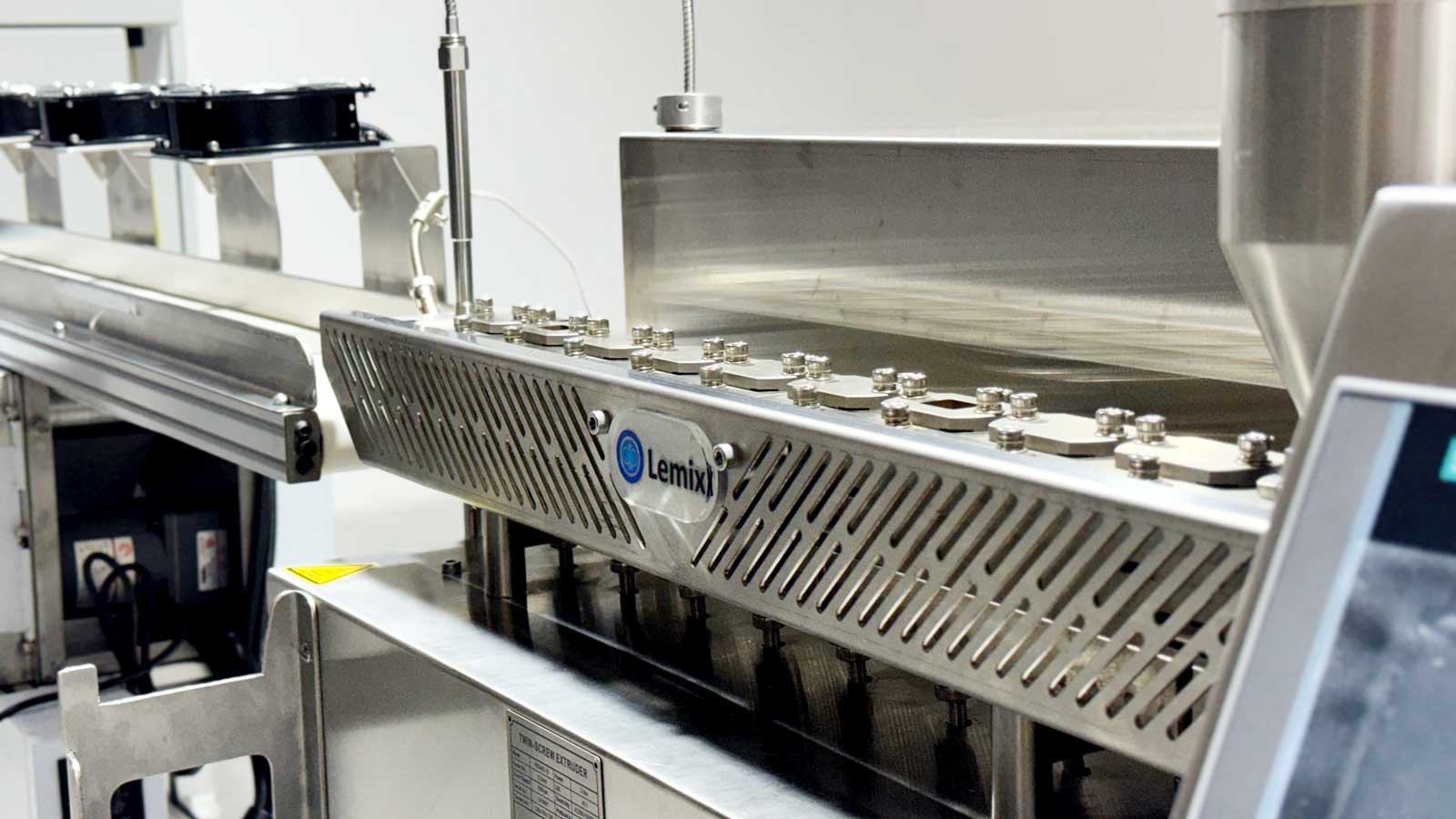
PP plastic recycling needs stable feeding, controlled melting, strong venting, and a clean pelletizing process. I do not adjust a Twin Screw Extruder by changing one setting only. I check the whole line from washed PP flakes to final pellets. I look at the material first. I check moisture, label residue, dust, color mix, melt flow difference, and contamination. Then I adjust the feeder, barrel temperature, screw speed, vacuum venting, melt pressure, screen pack, die head, cooling, and cutter. This method helps me reduce bubbles, black spots, weak pellets, uneven color, and unstable output.
I always start with the PP material before I touch the machine screen. PP recycling is not the same as virgin PP processing. Recycled PP may come from rigid containers, woven bags, injection parts, film, caps, or mixed post-industrial scrap. Each source behaves in a different way during extrusion. I first check whether the material is washed well. I also check whether it contains PE, PET, PVC, paper, metal, sand, oil, water, or printing ink. These small problems can become big extrusion problems. Wet flakes can create bubbles. Dirty flakes can block the screen. Mixed plastics can make the melt unstable. I also check bulk density. Light film flakes feed differently from crushed rigid PP. When the feeding is unstable, I do not raise screw speed first. I improve feeding first. A stable feeding condition gives me a better base for all later adjustment.
I adjust the twin screw extruder in this order: feeding, temperature, screw speed, torque, venting, pressure, filtration, die flow, cooling, and cutting. I use this order because each step affects the next step. If the feeder is not stable, the torque will move up and down. If the temperature is too high, recycled PP may smell stronger or become yellow. If the screw speed is too fast, the material may not have enough time for melting and degassing. If the vacuum vent is weak, water vapor and light volatiles may stay inside the melt. If the screen is too fine too early, pressure may rise fast and output may drop. I do not try to solve all problems at once. I change one setting at a time. Then I wait for the line to become stable. I record the result. This simple method helps me find the real cause instead of guessing.
The table below shows the starting range I use for common PP recycling granulation. I use it as a trial base only. I still adjust the settings by material source, output target, screw design, die size, and pellet quality.
| Item | Common Starting Range | What I Watch |
|---|---|---|
| Feeding zone | 150–170°C | Material bridge, feeding fluctuation |
| Melting zone | 175–195°C | Unmelted particles, torque change |
| Mixing zone | 185–210°C | Color dispersion, melt uniformity |
| Venting zone | 180–205°C | Bubbles, vapor, odor |
| Die zone | 190–215°C | Die pressure, strand surface |
| Screw speed | 200–500 rpm | Torque, residence time, output |
| Vacuum venting | Stable negative pressure | Moisture removal, bubble control |
| Screen pack | From coarse to fine | Pressure rise, black spots |
| Cooling water | Controlled and clean | Strand breakage, pellet shape |
Feeding is often the first real problem in PP plastic recycling. I have seen many operators raise screw speed when output is low. I do not do that first. I check whether the feeder can deliver material evenly. For light PP film flakes, I may need forced feeding, densified material, or a feeding section with better bite. For rigid PP regrind, I check particle size and flow. Large pieces can bridge in the hopper. Too much fine powder can create dust and uneven feeding. I also check whether the side feeder is needed for fillers, color masterbatch, or odor control additives. A twin screw extruder can handle mixed feeding better when the feeding system is matched with the material. LEMIX lists side feeder, cooling system, heating system, pressure and temperature sensor, gearbox, barrel, and HMI as important parts of its twin screw extruder system. This is useful because PP recycling needs more than one strong main machine. It needs a stable process system.
I do not use one fixed temperature profile for all PP recycling jobs. I use the melt behavior to guide the setting. PP needs enough heat to melt and flow, but recycled PP can be sensitive because it may already have gone through previous processing. When I see unmelted particles, rough strands, and unstable die flow, I raise the melting zone step by step. When I see yellowing, strong smell, smoking, or low melt strength, I lower the high-shear zones or reduce residence time. I usually keep the feeding zone lower so the material can be conveyed without sticking too early. I keep the melting and mixing zones high enough for full plasticizing. I keep the venting zone controlled so vapor can escape. I keep the die zone stable so the strand or pelletizing flow does not shake. I change temperature in small steps. I do not jump from low to high too fast, because the material inside the barrel needs time to respond.
Screw speed affects output, shear heat, mixing, venting, and residence time. I raise screw speed only after feeding and temperature are stable. If the speed is too low, the output may be poor, and the melt may stay too long in the barrel. If the speed is too high, the melt may not have enough time for venting, and shear heat may rise. For PP recycling, I watch torque closely when I change screw speed. A stable torque means the material is moving in a controlled way. A rising torque may mean low temperature, overfeeding, poor melting, screen blockage, or high contamination. A low torque with poor pellet quality may mean weak filling, low feeding rate, or too much heat. LEMIX describes its twin screw extruders as high torque systems for stable output and flexible configuration across different materials. This matters in recycled PP because the material source can change from batch to batch. A strong torque margin gives me more room to adjust the process safely.
I pay close attention to vacuum venting when I process recycled PP. Washed PP flakes can carry surface moisture. Printed PP, food-contact scrap, and mixed post-consumer material can also release light volatiles during melting. If these gases stay in the melt, I may see bubbles, holes, rough pellet surface, strand breakage, and odor. I first make sure the vent port is not flooded with melt. If melt comes out of the vent, I reduce feeding, change screw speed, adjust the local temperature, or review the screw combination near the venting section. I also check vacuum pump performance, pipe blockage, sealing, and condenser condition. Good venting is not only a vacuum number. It is also about material filling degree and screw design. I prefer a process where the melt opens well near the vent area and then builds pressure again before the die. This gives me cleaner pellets and a more stable strand.
I do not use the same screw combination for all recycled PP jobs. Clean industrial PP scrap may need simple melting, mixing, and filtration. Dirty post-consumer PP may need stronger mixing, better devolatilization, and more careful pressure control. If I need better color dispersion, I add suitable kneading or mixing elements. If I see too much heat, I reduce strong shear elements or lower the screw speed. If I process PP with fillers, I check whether the filler should enter through the main feeder or side feeder. If glass fiber or mineral filler is involved, I avoid screw design that breaks the material too much or creates too much wear. LEMIX provides customized configurations based on material, output needs, processing conditions, screw design, barrel structure, and system setup. This is a practical point for recycling plants. The screw design should match the material problem. It should not be selected only by machine size.
Filtration is important in PP recycling, but I do not start with the finest screen right away. Dirty recycled PP may contain small metal, paper, burnt material, wood, sand, or unmelted plastic. A very fine screen can block fast and cause high pressure. I often start with a safer screen pack and then improve filtration after the process is stable. I watch melt pressure before and after the screen changer when the line has this setup. A slow pressure rise means normal contamination loading. A fast pressure rise means the material is dirty, the screen is too fine, the melt is too cold, or the screen area is too small. When pressure moves up and down, I check feeding, temperature, and material mix. I do not ignore pressure changes because high pressure can damage equipment and create unstable pellet quality. I also check the die holes. Blocked die holes can make strands uneven and cause cutter problems.
I always use the final pellets to check whether the adjustment is right. Good PP recycled pellets should have a stable size, clean surface, even color, and low bubble level. The pellets should not be too brittle. The strands should not break often before cutting. When pellets have tails, I check cutter speed, blade gap, strand temperature, and water cooling. When pellets are flat or sticky, I check die temperature, cooling length, and cutter condition. When pellets show black spots, I check contamination, dead corners, screen pack, screw cleaning, and barrel condition. LEMIX also offers an in-Line Plastic Pellet Inspection system as part of its product range. This type of monitoring is useful for recycled PP because visual defects may appear suddenly when material quality changes. I still use operator checks, but online inspection can make quality control more continuous and less dependent on manual sampling.
| Problem | Possible Cause | My Adjustment |
|---|---|---|
| Bubbles in pellets | Moisture, weak vacuum, poor venting | Improve drying, check vacuum, adjust vent zone |
| Black spots | Contamination, burnt material, dead corner | Clean screw, improve filtration, reduce overheating |
| Strand breakage | Low melt strength, poor cooling, unstable pressure | Adjust temperature, cooling, die pressure |
| High torque | Low temperature, overfeeding, blocked screen | Lower feed, raise melt zone slightly, check screen |
| Strong odor | Volatiles, ink, overheating | Improve venting, lower temperature, reduce residence time |
| Uneven pellet size | Cutter issue, unstable strand flow | Adjust cutter speed, blade gap, cooling |
| Poor color uniformity | Weak mixing, unstable feeding | Adjust screw mixing section, stabilize feeding |
Machine condition affects PP recycling more than many people expect. A worn barrel can reduce conveying, lower pressure stability, and make mixing less predictable. Worn screw elements can also change residence time and shear. I check wear when I see output loss, unstable torque, poor melting, or repeated quality problems even after process adjustment. LEMIX lists barrel wear measurement devices, screw cleaning machines, screw dismantling machines, and water cooling channel cleaning machines in its product range. I see these tools as part of long-term process control, not only maintenance tools. A clean screw helps reduce black spots. A clean cooling channel helps keep barrel temperature stable. A measured barrel condition helps me decide whether the problem comes from settings or from mechanical wear. In PP recycling, the material is often abrasive and dirty, so I do not wait until the machine fails before I check wear.
I choose the extruder size by material form, target output, filtration need, and downstream pelletizing method. I do not choose only by screw diameter. Light PP film needs more feeding volume. Rigid PP regrind may allow a more stable feed rate. High contamination material may need stronger filtration and more pressure margin. LEMIX states that its twin screw extruder screw diameter range covers 11 mm to 133 mm, and its temperature capability can reach up to 450°C. I would not need that full temperature range for normal PP recycling, but the range shows that the system can cover many material types and process conditions. For lab trials, small extruders can help me test a recipe before scale-up. For production, I need a machine with stable torque, reliable cooling, good venting, and enough space for downstream equipment. The right size should support quality and output together.
I start the line only after I check material, cooling water, heaters, vacuum, lubrication, pelletizer, screen changer, and safety protection. I heat the barrel zones to the planned profile. I wait until the temperature is stable. Then I run the screws at low speed. I feed slowly. I watch torque, pressure, venting, and melt flow. I do not rush to full output. When the melt reaches the die smoothly, I guide the strands into cooling and cutting. Then I increase feeding and screw speed step by step. I take pellet samples. I check surface, bubbles, color, size, smell, and contamination. I adjust one item at a time. I record final settings after the line runs stable. This record is important because recycled PP supply changes often. A clear process record helps me restart faster next time and also helps the team find the cause when quality changes.
I adjust a twin screw extruder for PP plastic recycling by controlling the full process, not by changing one number. I start with clean and stable PP material. I set feeding before output. I adjust temperature by melt condition. I use screw speed to balance output and residence time. I use vacuum venting to remove moisture and odor. I control filtration by pressure change. I judge the result by pellet quality. I also check screw wear, barrel wear, cooling channels, and cleaning condition. When I use a flexible twin screw extrusion system with strong torque, modular screw design, pressure and temperature sensing, pellet inspection, and maintenance support, I can make recycled PP production more stable and easier to repeat. For PP recycling plants, the best adjustment is always based on material condition, target output, pellet quality, and long-term machine reliability.