
Search LEMIX Products
Learn how feeding, venting, and pelletizing systems work together in twin screw compounding lines to improve production stability and pellet quality.
Category:Process Control & Troubleshooting
Author:LEMIX Admin
Date:2026-09-23
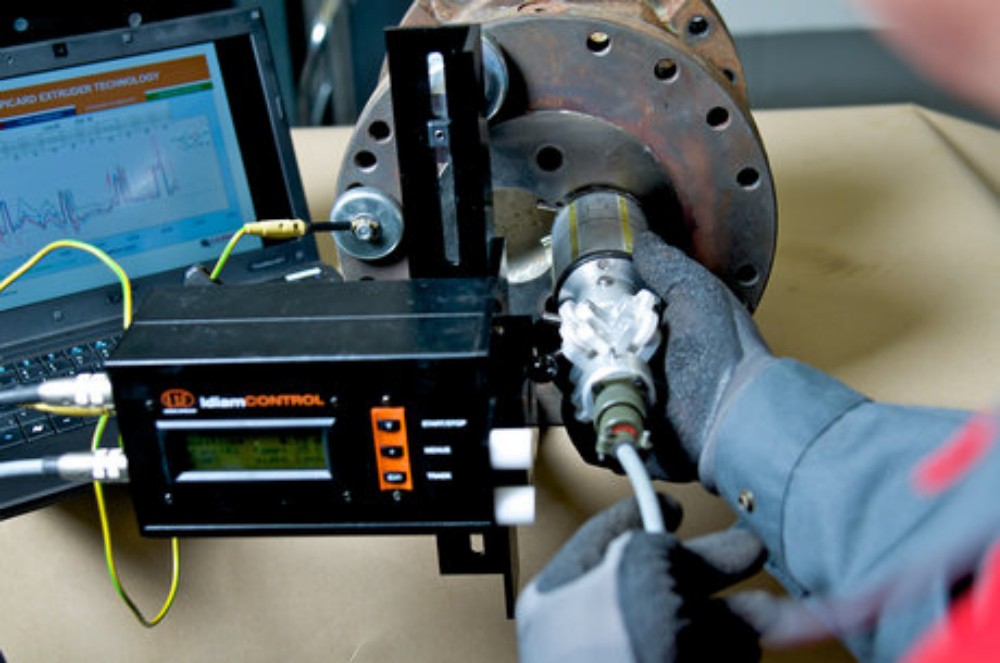
Feeding, venting, and pelletizing systems work together by controlling material input, removing volatile substances, and converting compounded polymers into consistent pellets.
A compounding line is not only composed of a Twin Screw Extruder. The complete production system requires multiple sections working together to transform raw materials into high-quality compounded pellets.
Among these systems, feeding, venting, and pelletizing equipment play three essential roles:
Feeding controls how materials enter the extrusion process
Venting removes moisture and volatile components
Pelletizing converts processed polymer into usable pellet products
If any one of these systems is not properly matched, the entire compounding process may experience:
Unstable output
Poor mixing quality
Surface defects
Inconsistent pellet size
Increased material waste
A well-integrated compounding line ensures that each stage supports the next stage, creating stable and repeatable production.
The feeding system is the first stage of polymer compounding and determines how accurately raw materials enter the extruder.
A typical compounding line may process:
Polymer pellets
Powders
Fillers
Fibers
Additives
Recycled materials
The feeding system must deliver these materials at a controlled rate to maintain the correct formulation ratio.
Common feeding equipment includes:
Gravimetric feeders measure material weight continuously and adjust feeding rates automatically.
They provide:
High feeding accuracy
Stable formulation control
Better batch consistency
Volumetric feeders deliver materials based on volume.
They are commonly used when material density remains relatively stable.
Side feeders are often used for adding:
Glass fibers
Mineral fillers
Special additives
during the extrusion process.
Proper feeding ensures the extruder receives a consistent material supply and maintains stable processing conditions.
Feeding stability directly affects final compound quality.
Unstable feeding may cause:
Uneven additive distribution
Fluctuating output
Inconsistent mechanical properties
Production interruptions
For example, when filler content changes during processing, the final material may show differences in:
Strength
Color
Flow characteristics
Surface quality
A reliable feeding system allows the twin screw extruder to operate under consistent conditions and improves production efficiency.
The venting system removes unwanted gases generated during extrusion.
During polymer processing, materials may release:
Moisture
Air
Residual solvents
Decomposition gases
Volatile compounds
If these substances remain inside the melt, they may create:
Bubbles
Voids
Surface defects
Poor material performance
A venting section in the twin screw extruder creates controlled conditions that allow gases to escape while maintaining stable polymer flow.
Vacuum venting improves gas removal efficiency by lowering pressure in the venting zone.
It is especially useful for processing:
Recycled plastics
Filled compounds
Moisture-sensitive materials
High-performance polymers
Benefits include:
Removing volatile components helps create cleaner and more stable pellets.
Effective degassing reduces:
Porosity
Surface imperfections
Processing instability
Proper venting helps maintain mechanical and thermal performance.
Feeding and venting are connected parts of the extrusion process.
The feeding system controls what enters the extruder, while the venting system manages what leaves the material during processing.
The relationship between them affects:
Material residence time
Melt stability
Pressure control
Final product quality
For example, unstable feeding may create inconsistent melt conditions, making degassing less effective.
A balanced system requires:
Accurate material input
Proper screw design
Correct venting position
Stable processing parameters
After materials are melted, mixed, and degassed inside the extruder, the compound must be converted into pellets for storage, transportation, and further processing.
The pelletizing system performs several functions:
Cutting molten polymer
Cooling the material
Controlling pellet size
Preparing finished compound products
Common pelletizing methods include:
Strand pelletizing is one of the most widely used pelletizing methods.
The process includes:
Extruded polymer exits through the die
Strands are cooled
Solidified strands enter a pelletizer
Strands are cut into pellets
Advantages include:
Simple operation
Easy maintenance
Suitable for many polymer types
It is commonly used for engineering plastics, masterbatch, and general compounding applications.
Underwater pelletizing cuts molten polymer directly after it exits the die.
Advantages include:
Continuous automated operation
Uniform pellet shape
Higher production efficiency
It is often used for applications requiring:
Large production capacity
Consistent pellet dimensions
Automated handling
The correct pelletizing method depends on material characteristics and production requirements.
The interaction between these three systems determines the quality of compounded pellets.
Controls:
Material ratio
Additive distribution
Production stability
Controls:
Gas removal
Moisture reduction
Surface quality
Controls:
Pellet shape
Pellet size
Product consistency
A problem in any stage may affect the final material quality.
For example:
Poor feeding may create formulation variation
Insufficient venting may cause bubbles
Incorrect pelletizing may create inconsistent pellet size
A successful compounding line requires matching equipment with material requirements.
Important considerations include:
Different materials require different:
Feeding methods
Venting strategies
Pelletizing systems
Higher output requires equipment designed for continuous operation.
Applications such as automotive plastics, battery materials, and engineering polymers may require stricter quality control.
All systems should work together to maintain:
Stable material flow
Consistent processing conditions
Reliable production efficiency
Performance improvements usually come from optimizing the complete system rather than adjusting only one component.
Effective strategies include:
Selecting suitable feeders for raw materials
Optimizing screw configuration
Maintaining proper venting conditions
Choosing the correct pelletizing method
Monitoring production parameters
Important process data includes:
Torque
Pressure
Temperature
Output rate
Feeding accuracy
Continuous monitoring helps manufacturers identify problems early and maintain stable production.
A compounding line functions as one connected production system.
The feeding system determines material input.
The twin screw extruder controls melting, mixing, and processing.
The venting system manages volatile removal.
The pelletizing system creates the final product form.
When these systems are properly integrated, manufacturers can achieve:
Higher production stability
Better pellet quality
Lower material waste
More efficient operation
LEMIX provides twin screw extrusion solutions with customized feeding, venting, and pelletizing configurations for different compounding applications.
A well-designed production line helps manufacturers produce consistent materials with reliable performance.