
Search LEMIX Products
Learn how to safely remove stuck twin screw extruder screws, including causes, extraction methods, cleaning, maintenance, wear inspection, and prevention strategies.
Category:Maintenance & Quality Control
Author:LEMIX Admin
Date:2026-08-27
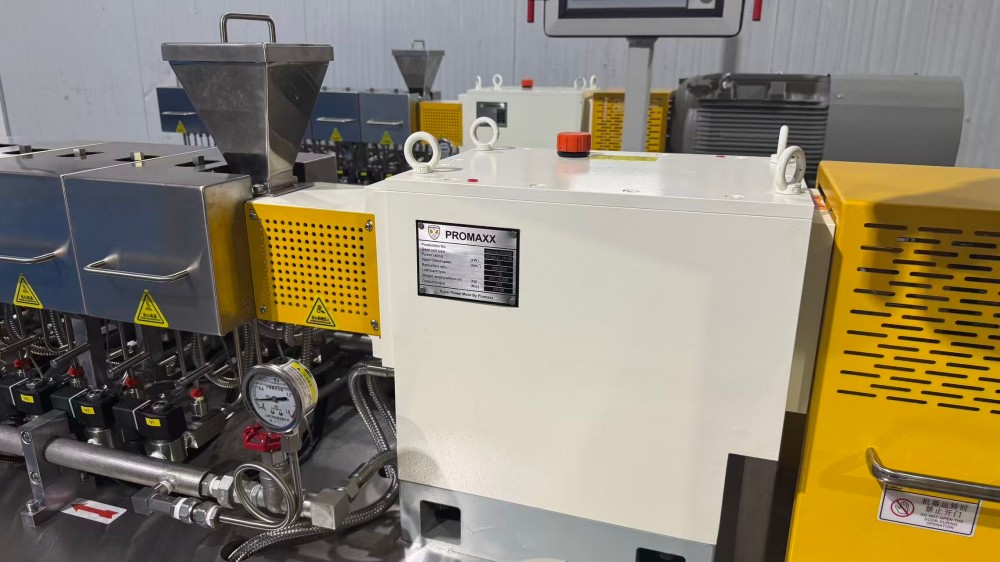
Stuck Twin Screw Extruder screws should be removed by controlling temperature, relieving internal stress, using suitable extraction tools, and avoiding excessive force that can damage screws, shafts, or barrel surfaces.
Twin screw extruder screws can become stuck when polymer residue, degradation products, corrosion, or mechanical deformation prevents normal screw movement.
Common causes include:
| Cause | Effect |
|---|---|
| Hardened polymer residue | Locks screw elements inside the barrel |
| Long shutdown at high temperature | Creates carbonized material deposits |
| Material degradation | Forms hard deposits around screw surfaces |
| Corrosion | Increases friction between components |
| Insufficient cleaning | Allows residue accumulation |
| Excessive wear | Changes internal clearance |
| Mechanical damage | Prevents smooth screw extraction |
A stuck screw is not always caused by a mechanical failure. In many cases, the problem develops gradually because residue builds up during repeated production cycles.
Applications involving frequent material changes, high-temperature polymers, filled compounds, or long operating hours require more attention to screw cleaning and maintenance.
Twin screw extruder screws are precision components. Excessive force during removal can damage expensive extrusion parts.
Unsafe removal methods may cause:
Bent screw shafts
Damaged screw elements
Barrel scratches
Broken connection parts
Deformed screw surfaces
Increased maintenance costs
The screw and barrel clearance is critical for extrusion performance. Even small surface damage can affect:
Mixing efficiency
Conveying performance
Pressure stability
Output consistency
A safe removal process focuses on releasing the cause of the blockage instead of forcing the screw out.
Before extraction, the extrusion system should be inspected to identify the cause of the blockage.
Important checks include:
Confirm equipment shutdown status
Remove remaining material from the feed system
Check barrel temperature condition
Inspect die and downstream components
Identify material type inside the barrel
Review previous production conditions
Check maintenance history
The condition of the material inside the barrel determines the most suitable removal method.
For example:
Soft polymer residue may require controlled heating.
Hardened deposits may require cleaning procedures.
Corrosion-related problems may require additional inspection.
Temperature control is one of the most effective methods for releasing polymer-blocked screws.
Many polymers become softer when heated, reducing the force required for screw extraction.
The process usually involves:
Heating the barrel to a suitable temperature.
Allowing enough time for polymer softening.
Applying controlled extraction force.
Monitoring screw movement.
However, excessive heating should be avoided because it may:
Increase polymer degradation
Create more carbonized residue
Damage temperature-sensitive components
Increase safety risks
The correct temperature depends on:
Polymer type
Material degradation condition
Barrel design
Screw material
Equipment specifications
Safe screw extraction requires controlled force and suitable equipment.
The general procedure includes:
Stop the machine and follow safety procedures.
Remove the die head and connected components.
Heat the barrel if polymer residue is blocking movement.
Use a suitable hydraulic extraction device.
Apply force gradually.
Monitor screw movement continuously.
Inspect components after removal.
The extraction force should increase gradually. Sudden high force can damage the screw shaft or connection system.
Professional maintenance equipment helps reduce the risk of component damage during removal.
Excessive force may temporarily move the screw but create hidden damage.
Possible damage includes:
Screw shaft deformation
Screw element damage
Barrel surface scratches
Coupling damage
Alignment problems
These problems may not be visible immediately but can affect future production.
After improper extraction, manufacturers may experience:
Increased torque
Unstable output
Poor mixing performance
Shorter component service life
The safest approach is to remove the cause of the blockage before increasing extraction force.
Polymer residue is one of the most common reasons for stuck twin screws.
During extrusion, some materials may remain in:
Screw flights
Screw element gaps
Barrel surfaces
Mixing sections
Die areas
After shutdown, the remaining polymer may:
Cool and harden
Degrade into carbon deposits
Bond tightly to metal surfaces
Materials with higher processing temperatures may create stronger deposits.
Examples include:
Engineering plastics
Filled polymers
High-temperature compounds
Pharmaceutical formulations
Specialty materials
Regular cleaning reduces the risk of severe screw blockage.
Regular screw cleaning helps remove polymer residue before it becomes difficult to remove.
Effective cleaning helps prevent:
Hardened deposits
Cross contamination
Black specks
Startup waste
Screw extraction problems
Traditional manual cleaning methods may require significant labor and may risk damaging screw surfaces.
LEMIX PRO-COOL Screw Cleaning Machine provides non-destructive cleaning for extrusion screws and components. It helps remove polymer residue while protecting metal surfaces.
Internal link:
PRO-COOL Screw Cleaning Machine
Material degradation occurs when polymers experience excessive heat exposure or long residence time.
Degraded materials may form:
Carbonized deposits
Hard particles
Sticky residues
Contamination layers
These deposits can restrict screw movement and affect future extrusion performance.
Common causes include:
Long shutdown without proper cleaning
Excessive processing temperature
Incorrect residence time
Poor temperature control
Preventing degradation is usually easier than removing heavily carbonized material afterward.
Wear changes the internal condition of the extrusion system.
Long-term operation may cause:
Increased clearance between screw and barrel
Surface damage
Reduced conveying efficiency
Unstable material flow
Wear inspection helps determine whether a stuck screw is caused by deposits or mechanical conditions.
LEMIX PROMAC-S Barrel Wear Measurement Device uses laser measurement technology to check barrel internal diameter changes and wear conditions.
Internal link:
Barrel Wear Measurement Device PROMAC-S
Professional screw removal usually requires suitable maintenance tools.
Common tools include:
| Tool | Function |
|---|---|
| Hydraulic extraction device | Applies controlled pulling force |
| Heating system | Softens polymer residue |
| Cleaning tools | Removes deposits |
| Inspection equipment | Checks component condition |
| Lifting equipment | Supports screw handling |
The correct tools depend on:
Extruder size
Screw diameter
Screw length
Material condition
Equipment design
Using unsuitable tools may increase the risk of damage.
After removing stuck screws, components should be inspected before reinstallation.
Inspection points include:
Screw surface condition
Screw element wear
Connection area
Barrel internal surface
Corrosion condition
Residual contamination
Important findings include:
Cracks
Deformation
Excessive wear
Surface damage
Material buildup
Inspection helps determine whether components can continue operating or require replacement.
Preventive maintenance reduces the risk of screw blockage.
Recommended practices include:
Clean screws after material changes
Avoid long shutdowns with material inside
Control processing temperature
Monitor torque changes
Check barrel condition regularly
Remove degraded material promptly
Maintain proper startup and shutdown procedures
A preventive approach reduces unexpected downtime and extends extrusion component life.
Improper shutdown is a common reason for future screw removal problems.
A suitable shutdown procedure may include:
Emptying remaining material.
Running suitable cleaning material if required.
Removing residual polymer.
Reducing temperature according to material requirements.
Recording production conditions.
Different materials require different shutdown methods.
For example:
Heat-sensitive materials require controlled cooling.
High-temperature polymers require residue management.
Color changes require thorough cleaning.
Screw maintenance directly affects extrusion stability.
Well-maintained screws provide:
Stable mixing performance
Better conveying efficiency
Consistent output
Lower contamination risk
Longer service life
Maintenance should include:
Cleaning
Wear measurement
Component inspection
Replacement of damaged parts
LEMIX provides extrusion maintenance solutions including screw cleaning systems, barrel wear measurement devices, Spare Parts, and screw elements.
Internal links:
LEMIX provides solutions for maintaining twin screw extrusion systems from laboratory development to industrial production.
Maintenance solutions include:
| Maintenance Requirement | LEMIX Solution |
|---|---|
| Screw residue removal | PRO-COOL Screw Cleaning Machine |
| Barrel wear inspection | PROMAC-S Barrel Wear Measurement Device |
| Screw optimization | Screw Elements for TSE |
| Production equipment | Twin Screw Extruder systems |
These solutions help manufacturers reduce downtime, improve equipment reliability, and maintain stable extrusion performance.
Relevant pages:
Removing stuck twin screw extruder screws safely requires controlling temperature, identifying the blockage cause, applying suitable extraction methods, and avoiding excessive force.
Most screw sticking problems are related to polymer residue, degradation, poor cleaning, corrosion, or equipment wear.
Regular screw cleaning, barrel inspection, and preventive maintenance can reduce unexpected downtime and protect critical extrusion components.