
Search LEMIX Products
Learn what causes material escape from extruder vents, including overfeeding, screw design, moisture, vacuum, barrel filling, vent flooding, troubleshooting, and LEMIX solutions.
Category:Process Control & Troubleshooting
Author:LEMIX Admin
Date:2026-08-17
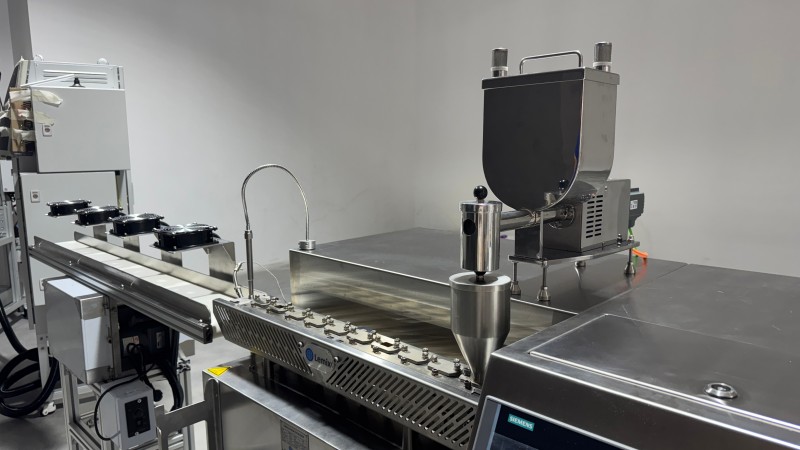
Material escapes from an extruder vent mainly because of excessive barrel filling, unstable feeding, incorrect screw configuration, poor melt control, blocked vent areas, or unsuitable vacuum conditions that prevent proper devolatilization.
Extruder venting is a process section designed to remove moisture, air, residual solvents, and volatile substances from the polymer melt during extrusion.
In twin screw extrusion, the vent zone is usually located after the material has been melted and mixed. At this stage, the polymer should have a stable melt surface that allows gases to escape while preventing the material from flowing into the vent opening.
A properly designed venting section helps improve:
Pellet quality
Melt stability
Surface appearance
Material consistency
Process repeatability
Removal of moisture and volatile components
When material escapes from the vent, it usually indicates that the balance between material flow, screw filling, pressure, and vacuum conditions has been disturbed.
Material escaping from an extruder vent is commonly caused by excessive melt level or unstable pressure inside the vent section.
The main causes include:
| Cause | Typical Effect |
|---|---|
| Excessive feed rate | Barrel becomes overfilled and melt reaches vent opening |
| Incorrect screw speed | Poor balance between conveying and melting |
| Wrong screw configuration | Material flow is unstable near vent zone |
| Vent flooding | Melt blocks gas release path |
| Excessive vacuum | Pulls unstable melt toward vent |
| High moisture content | Creates foam and expands melt volume |
| Low melt viscosity | Material moves too easily into vent |
| Poor degassing design | Gas and melt separation becomes unstable |
| Sudden process changes | Temporary pressure fluctuations |
A vent problem should not be treated only as a vacuum issue. The entire extrusion process before the vent section should be reviewed.
Overfeeding is one of the most common reasons for material escaping from the vent.
When feed rate increases beyond the screw's conveying and melting capacity, the barrel fill level rises. The melt can then move into the vent opening before the gas removal stage is completed.
Common signs of overfeeding include:
Material coming out continuously from the vent
High torque
Unstable melt pressure
Reduced degassing efficiency
Irregular pellet quality
Increased motor load
The solution may include:
Reducing feed rate
Increasing screw speed
Adjusting screw configuration
Improving melting before the vent zone
Checking feeder accuracy
The correct feed rate depends on screw diameter, screw design, material viscosity, output requirement, and vent zone capacity.
Screw configuration directly affects whether material remains stable before reaching the vent section.
A Twin Screw Extruder normally requires enough conveying ability before the vent zone to transport the melt forward without excessive pressure buildup.
Problems may occur when:
Mixing elements are too aggressive before the vent
Reverse elements create excessive back pressure
Melting occurs too late
The vent zone lacks enough free volume
The screw design does not match material behavior
For example, highly filled compounds may require stronger melting and mixing sections before venting. Heat-sensitive materials may require gentler conveying to avoid excessive temperature rise.
LEMIX provides modular screw element solutions including conveying elements, kneading blocks, transition elements, special elements, degassing plugs, and side-feeder components to optimize different extrusion processes.
Internal link:
Barrel filling determines how much space is available for melt movement and gas removal.
When the filling level is too high:
The vent opening becomes covered by polymer
Gas cannot escape effectively
Melt pressure increases
Material is pushed into the vent
Vacuum efficiency decreases
High barrel filling may happen because of:
Excessive feed rate
Low screw speed
High material viscosity
Incorrect screw diameter selection
Restricted downstream flow
Incorrect screw element arrangement
A stable vent zone usually requires a partially filled section where gases can separate from the melt.
Moisture can create excessive gas generation inside the extruder.
When wet materials enter the melt zone, water turns into vapor and expands. If the vent section cannot remove the vapor effectively, the expanding gas can push polymer toward the vent opening.
Materials commonly affected include:
TPU
PA
PET
PLA
Recycled polymers
Filled compounds
Pharmaceutical formulations
Moisture-related vent problems may include:
Foaming melt
Material overflow from vent
Bubbles in pellets
Unstable output
Poor surface quality
Solutions may include:
Improving raw material drying
Adjusting vacuum performance
Optimizing screw configuration
Reducing throughput during moisture removal
Vacuum helps remove volatile components, but incorrect vacuum conditions can also create problems.
When vacuum is too weak:
Moisture removal decreases
Volatiles remain in the polymer
Bubbles may appear
Pellet quality decreases
When vacuum is too strong:
Unstable melt may be pulled toward the vent
Fine particles may enter the vacuum system
Material carryover may increase
A stable vacuum system requires:
Correct vent zone design
Proper melt condition
Suitable screw configuration
Controlled vacuum pressure
Regular maintenance
Vacuum should support gas removal without disturbing the melt flow.
Melt viscosity influences how easily polymer moves toward the vent opening.
Low-viscosity materials may flow too easily and enter the vent zone. High-viscosity materials may create excessive pressure before the vent.
Factors affecting viscosity include:
Polymer type
Melt temperature
Molecular weight
Additives
Filler loading
Shear history
For example:
Higher temperature can reduce viscosity and increase vent leakage risk.
Excessive shear can change material behavior.
Poor melting can create unstable flow.
Stable vent operation requires the correct relationship between temperature, viscosity, and screw design.
Screw speed affects both mixing energy and material transport.
Increasing screw speed may:
Improve conveying
Increase output
Increase mixing intensity
However, excessive screw speed may also create:
Higher melt temperature
Increased pressure
Unstable vent behavior
Shorter residence time
Reducing screw speed may help temporary vent flooding, but the root cause should also be checked.
A stable process requires matching:
Screw speed
Feed rate
Screw configuration
Barrel temperature
Output requirement
Side feeding is commonly used for adding fillers, fibers, powders, and additives after the polymer has melted.
Poor side feeding conditions can increase vent problems.
Possible causes include:
Too much side feeder material
Poor filler flowability
Incorrect feeding position
Insufficient downstream mixing length
Air entering with powders
Signs include:
Vent overflow
Torque fluctuation
Poor dispersion
Pressure instability
Proper side feeding requires coordination between feeder rate, screw design, and vent location.
The material should be sufficiently melted before reaching the vent section.
If melting is incomplete:
Solid particles may block gas release
Melt flow becomes unstable
Pressure changes rapidly
Vent performance decreases
This often happens when:
Barrel temperature is too low
Melting section is too short
Screw configuration is unsuitable
Throughput is too high
The vent section is not designed to complete melting. Its main function is gas removal.
Preventing vent leakage requires controlling the complete process chain.
Recommended checks include:
Verify feed rate accuracy.
Confirm screw speed matches output demand.
Review screw configuration before the vent zone.
Check barrel filling level.
Confirm material moisture condition.
Check vacuum stability.
Inspect vent opening and cleaning condition.
Monitor torque and pressure trends.
Verify downstream pressure conditions.
Adjust operating parameters gradually.
A stable vent process depends on balance rather than one single setting.
Vacuum degassing improves extrusion stability by removing unwanted gases before pelletizing or further processing.
It helps remove:
Moisture
Residual solvents
Trapped air
Low molecular weight compounds
Reaction by-products
LEMIX pharmaceutical extrusion solutions use dedicated vacuum sections and high-vacuum systems to support moisture and volatile removal.
The same principle applies to polymer compounding applications where stable gas removal improves:
Pellet appearance
Material density
Output stability
Surface quality
Internal link:
Vent problems often appear as final pellet defects.
Common signs include:
| Pellet Defect | Possible Vent-Related Cause |
|---|---|
| Bubbles | Poor moisture or volatile removal |
| Low density pellets | Gas trapped in melt |
| Surface roughness | Unstable melt condition |
| Black specks | Material degradation or residue |
| Size variation | Pressure fluctuation |
| Color variation | Unstable processing |
LEMIX in-Line Plastic Pellet Inspection systems can monitor pellet defects including gels, burnt material, size and cutting problems, cross contamination, yellowing, and color deviation.
Internal link:
in-Line Plastic Pellet Inspection
Screw and barrel wear can gradually change the internal flow conditions of an extruder.
Wear may cause:
Reduced conveying efficiency
Longer residence time
Pressure variation
Poor mixing
Unstable vent performance
When the same recipe and settings produce different results over time, mechanical wear should be considered.
LEMIX PROMAC-S Barrel Wear Measurement Device uses laser measurement technology to check barrel internal diameter changes and wear conditions.
Internal link:
Barrel Wear Measurement Device PROMAC-S
Material residue around the vent area can affect extrusion stability.
Old polymer, degraded material, additives, or carbonized residue may cause:
Vent blockage
Contamination
Pressure instability
Black specks
Longer startup time
Regular cleaning is especially important during:
Color changes
Material changes
Maintenance shutdowns
LEMIX PRO-COOL Screw Cleaning Machine provides non-destructive cleaning for extrusion screws and components. It helps remove polymer residue without damaging metal surfaces.
Internal link:
PRO-COOL Screw Cleaning Machine
When vent leakage occurs, process data can help identify the real cause.
Important parameters include:
Feed rate
Screw speed
Torque
Melt pressure
Barrel temperature
Melt temperature
Vacuum level
Output rate
Material moisture
Screw configuration
Cleaning history
Wear condition
A process record helps determine whether the issue comes from material preparation, equipment setup, or mechanical condition.
LEMIX provides twin screw extrusion solutions for polymer compounding, pharmaceutical extrusion, and specialty material processing.
Solutions include:
| Process Requirement | LEMIX Support |
|---|---|
| Twin screw processing | Twin Screw Extruder |
| Screw optimization | Screw Elements for TSE |
| Vacuum degassing applications | Pharmaceutical extrusion systems |
| Pellet quality monitoring | In-Line Plastic Pellet Inspection |
| Screw cleaning | PRO-COOL Screw Cleaning Machine |
| Barrel inspection | PROMAC-S Barrel Wear Measurement Device |
Relevant pages:
Material escaping from an extruder vent is usually caused by an imbalance between material flow, barrel filling, screw configuration, moisture removal, vacuum conditions, and process settings.
The solution is not simply reducing vacuum or lowering output. A complete review of feeding stability, screw design, temperature control, vent performance, cleaning condition, and equipment wear provides a more reliable correction.
With proper screw configuration, stable feeding, effective vacuum degassing, and regular equipment maintenance, twin screw extrusion systems can achieve more consistent output and pellet quality.