
Search LEMIX Products
Compare twin screw and single screw extruders by material needs, mixing, devolatilization, HME, filler loading, R&D, maintenance, and LEMIX support for process selection and stable production.
Category:Extruder Technology & Selection
Author:LEMIX Admin
Date:2026-08-02
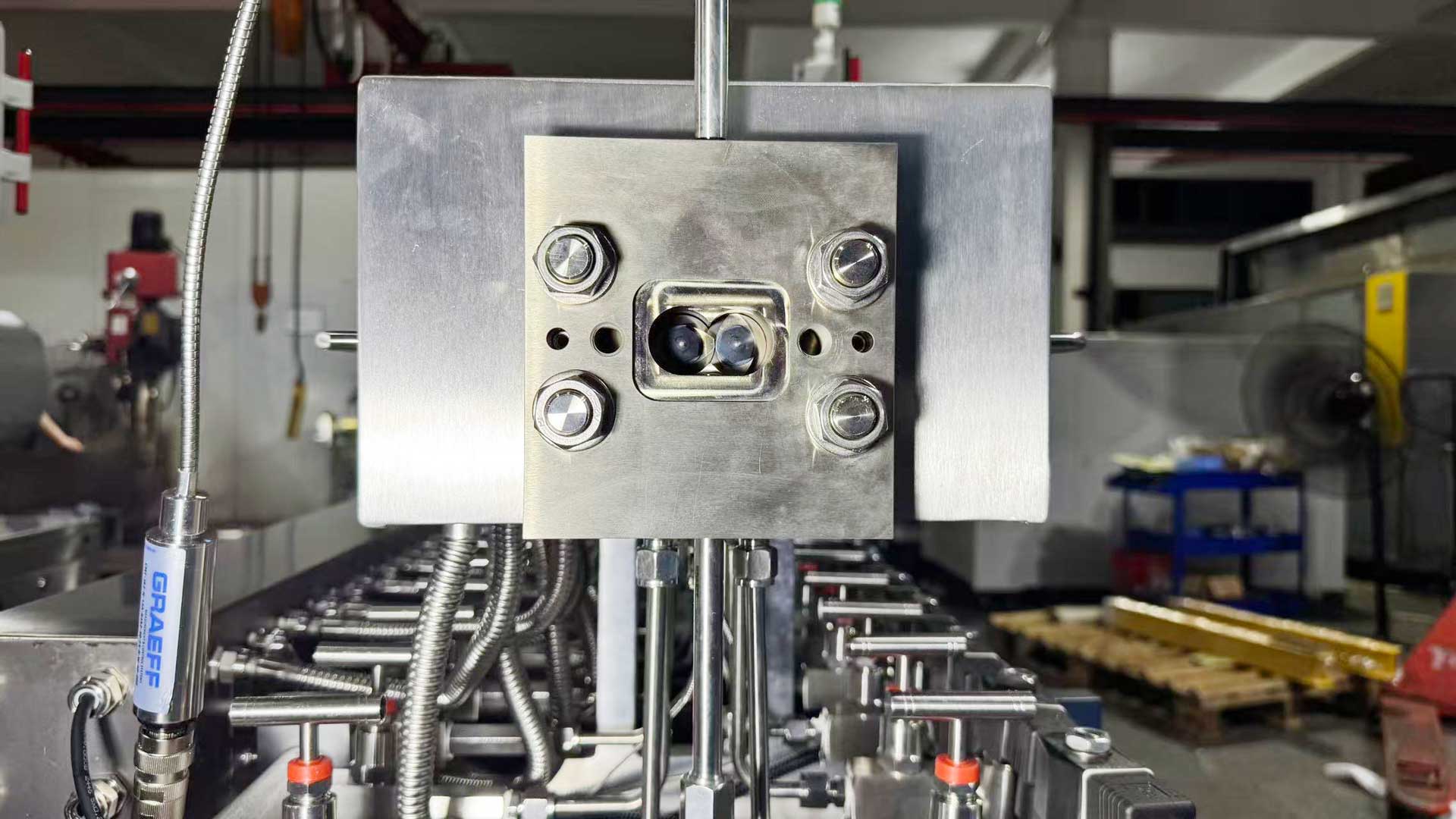
Choose a single screw extruder for simple melting, conveying, and shaping. Choose a Twin Screw Extruder when the material needs compounding, strong mixing, devolatilization, reactive processing, high filler loading, pharmaceutical hot melt extrusion, or tighter process control.
A single screw extruder uses one rotating screw inside a barrel. Its main strength is stable melting, conveying, pressure building, and shaping of materials that are already well prepared.
A twin screw extruder uses two screws inside the barrel. The screws can intermesh and work together to feed, convey, melt, mix, vent, react, and discharge materials with stronger process control.
The practical difference is simple. A single screw extruder is usually a forming machine. A twin screw extruder is usually a compounding and process-control machine.
Single screw extrusion often fits clean pellets, simple polymer melts, pipe, sheet, film, profile, and coating applications. Twin screw extrusion fits materials that need formula modification, powder feeding, liquid injection, fiber addition, vacuum devolatilization, or continuous mixing.
A single screw extruder is suitable when the material is already compounded and only needs to be melted and shaped. It is often used when the process has stable pellets, limited additives, low mixing demand, and a clear final forming step.
Typical single screw applications include:
Pipe extrusion
Film extrusion
Sheet extrusion
Simple profile extrusion
Cable coating
Basic pellet remelting
Melt delivery after compounding
Downstream shaping after material preparation
Single screw extrusion is usually easier to operate and maintain. It can also be cost-effective when the process does not need strong distributive or dispersive mixing.
The limitation is that a single screw extruder has less flexibility for difficult formulas. It may not handle high filler loading, powder blends, liquid additives, devolatilization, or sensitive pharmaceutical formulations as well as a twin screw system.
A twin screw extruder should be selected when the material must be mixed, modified, compounded, degassed, reacted, or processed with close control over residence time and shear.
Typical twin screw applications include:
Plastic compounding
Color masterbatch
Filler masterbatch
Glass fiber reinforced plastics
TPE and TPU compounding
PVC and cable compounds
PEEK and special engineering plastics
Bio-plastic compounds
Thermoset premixing
Pharmaceutical hot melt extrusion
Powder coating
Battery material compounding
Food plant-based meat extrusion
Recycling granulation with venting needs
LEMIX provides twin screw extrusion systems for industrial compounding, laboratory development, GMP pharmaceutical extrusion, particle inspection, extruder maintenance, and precision Spare Parts.
Internal link: LEMIX Products
Single screw extrusion usually fits simple polymer melting better.
When the polymer is already compounded into pellets and does not need extra filler dispersion, pigment distribution, devolatilization, or formula adjustment, a single screw extruder can provide stable melting and pressure building with a simpler process.
For example, a factory that buys finished PP, PE, PVC, or engineering plastic pellets and only needs to make sheet, pipe, film, or profile may not need a twin screw extruder at the forming stage.
A twin screw extruder may still be used before that stage to produce the compound. After compounding, a single screw extruder may shape the material into the final product.
The process decision should not be based only on machine price. It should be based on whether the material already has the required formulation quality before entering the extruder.
Twin screw extrusion fits compounding and material modification better.
Compounding means the base polymer is mixed with fillers, fibers, pigments, flame retardants, compatibilizers, plasticizers, stabilizers, conductive additives, or other functional materials. This requires more than simple melting. The process must distribute and disperse ingredients evenly.
A twin screw extruder provides stronger mixing because screw elements can be configured for conveying, kneading, shearing, venting, side feeding, and pressure building. This is useful when the material formula changes often or when the compound must meet strict performance requirements.
LEMIX twin screw extruders use modular screw and barrel configurations. This helps match the process to different materials, output needs, feeding points, venting requirements, and downstream systems.
Internal link: Twin Screw Extruder
Twin screw extrusion usually fits high filler or fiber loading better.
High filler formulas need stable feeding, strong distribution, good wetting, and enough torque. Fillers such as calcium carbonate, talc, flame retardants, carbon black, glass fiber, carbon fiber, mineral powder, or conductive additives can raise viscosity and friction.
A single screw extruder may struggle when fillers need to be added, wetted, and distributed during processing. It may also have limited side-feeding flexibility.
A twin screw extruder can add fillers or fibers through side feeding after the polymer begins to soften. This can reduce feeding problems and improve distribution. For fiber-reinforced compounds, side feeding can also help reduce fiber breakage compared with adding all materials from the main feed opening.
The practical rule is clear: if the material needs staged feeding or filler dispersion, twin screw extrusion is usually the safer process.
The answer depends on the process goal.
A single screw extruder can be gentle when the material only needs simple melting and shaping. It may expose the material to less intensive mixing than a twin screw setup.
A twin screw extruder is better when the heat-sensitive material also needs mixing, venting, fast renewal, or short residence time. A correctly designed twin screw process can use lower barrel temperature, controlled shear, vacuum devolatilization, and self-cleaning screw action to reduce local overheating.
This is important in pharmaceutical hot melt extrusion. The process must protect APIs from degradation while still providing uniform drug-polymer mixing. LEMIX pharmaceutical extrusion systems focus on low-temperature and low-shear processing, multi-zone temperature control, high mixing accuracy, vacuum devolatilization, process stability, and GMP compliance.
Internal link: Pharmaceutical Extrusion
Twin screw extrusion is usually the preferred process for pharmaceutical hot melt extrusion.
Pharmaceutical HME uses heat and pressure to process APIs, polymers, and excipients in a continuous process. The goal may include amorphous solid dispersion, improved dissolution, granulation, lipid extrusion, implantable systems, transdermal preparations, or pharmaceutical 3D printing intermediates.
This application needs more than melting. It needs accurate feeding, uniform mixing, controlled residence time, low degradation risk, vacuum removal of moisture or residual solvent, PAT monitoring, electronic records, and GMP documentation.
LEMIX GMP Twin Screw Extruder is designed for pharmaceutical processing with data acquisition, status monitoring, audit trail, electronic signature, recipe management, and batch record support.
Internal link: GMP Twin Screw Extruder
A lab type twin screw extruder is often better for research and formula development.
In R&D, the goal is usually to test material behavior, mixing response, temperature window, screw configuration, residence time, and downstream quality before moving to pilot or production scale. A single screw lab extruder may be useful for simple melt flow or shaping tests, but it cannot fully show how a compound behaves under staged mixing and feeding.
LEMIX offers 11mm and 16mm lab type twin screw extruders for R&D and trial applications. These models can support pharmaceutical trials, rubber and plastics compounding, material development, and testing.
A lab twin screw extruder is useful when a team needs to test:
New polymer formulas
API-polymer systems
TPE or TPU compounds
Filled compounds
Color masterbatch
Bio-plastic blends
Small-batch sample production
Scale-up process windows
Internal link: Lab Type Twin Screw Extruder
Twin screw extrusion fits devolatilization better.
Moisture, residual solvent, odor, monomer, low-molecular volatiles, and trapped air can create bubbles, voids, unstable discharge, strand breakage, and product defects. Removing these substances requires enough melt surface area and a suitable vacuum venting section.
A single screw extruder may have limited devolatilization ability because mixing and surface renewal are weaker. A twin screw extruder can create better material renewal and can place vacuum venting after melting and mixing zones.
In pharmaceutical extrusion, vacuum devolatilization helps remove moisture, residual solvents, and low-molecular impurities. In recycling, elastomer compounding, PVC compounds, and high-filler materials, venting can also improve product appearance and output stability.
Twin screw extrusion usually fits reactive extrusion better.
Reactive extrusion needs controlled mixing, residence time, temperature, and material contact. The reaction must happen inside the process window. Poor mixing may leave unreacted areas. Too much residence time may cause degradation or gel formation.
A twin screw extruder allows better control of feeding position, screw configuration, temperature profile, and venting. It can also support liquid injection or side feeding when reactants or additives must enter at a specific stage.
Single screw extrusion is not usually the first choice when the process requires strong reaction control, because it has weaker mixing and fewer process-section options.
Twin screw extrusion can fit thermoset premixing when the machine is designed for low temperature, mild shear, narrow residence time, rapid discharge, and immediate cooling.
Thermoset materials are different from normal thermoplastics because they form irreversible crosslinked structures. The process must mix resin, curing agents, fillers, and fibers before premature curing begins.
A standard high-shear screw design may create too much frictional heat. For thermoset processing, the twin screw extruder should use weak shear with strong distribution, low-pressure discharge, short residence time, and strong barrel cooling.
This is a good example of process-fit thinking. The question is not only twin screw or single screw. The real question is whether the screw design, barrel cooling, discharge method, and residence time fit the material reaction behavior.
Single screw extruders are usually simpler to maintain because they have fewer screw components. Cleaning, inspection, and assembly may be easier when the material is simple and the production changeover is limited.
Twin screw extruders have more complex maintenance needs because they may use modular screw elements, splined shafts, segmented barrels, side feeders, vent ports, and higher process demands. But they also allow more flexible process design and more precise maintenance planning.
LEMIX supports twin screw extrusion maintenance with products such as:
PRO-COOL Screw Cleaning Machine
PROMAC-S Barrel Wear Measurement Device
PROMAC-X Barrel Wear Measurement Device
Screw elements, barrels, shafts, and gearboxes
These tools help reduce downtime, protect screw and barrel condition, and keep output more stable during long-term production.
Internal link: Extruder Maintenance Device
A practical selection method is to start with the material problem, not the machine name.
| Material or Process Need | Better Fit |
|---|---|
| Simple pellet melting and shaping | Single screw extruder |
| Pipe, film, sheet, or profile from finished pellets | Single screw extruder |
| Polymer compounding with additives | Twin screw extruder |
| High filler or fiber loading | Twin screw extruder |
| Color masterbatch or functional masterbatch | Twin screw extruder |
| Vacuum devolatilization | Twin screw extruder |
| Reactive extrusion | Twin screw extruder |
| Pharmaceutical hot melt extrusion | Twin screw extruder |
| R&D formula screening | Lab twin screw extruder |
| Low-cost simple forming | Single screw extruder |
| Process data and scale-up development | Twin screw extruder |
A field-tested view is that single screw extrusion is often best after the formula is already right. Twin screw extrusion is often best when the formula still needs to be created, modified, mixed, devolatilized, or controlled.
The most common mistake is choosing the machine by output only. Output does matter, but it does not decide whether the process will work.
A single screw extruder with enough output may still fail if the material needs strong mixing. A twin screw extruder with enough torque may still fail if the screw configuration is wrong. A lab trial may also fail to scale up if residence time, shear, fill level, and specific mechanical energy are not considered.
Common selection mistakes include:
Choosing single screw extrusion for complex compounding
Choosing twin screw extrusion when simple shaping is enough
Ignoring material moisture and venting need
Ignoring side feeding and liquid feeding
Ignoring heat-sensitive material behavior
Comparing price without comparing process risk
Ignoring cleaning and maintenance requirements
Selecting screw diameter without checking torque
Scaling up without lab or pilot data
A good extrusion decision should reduce long-term process risk, not only reduce initial equipment cost.
LEMIX supports process selection through twin screw extrusion equipment, laboratory extrusion systems, GMP extrusion systems, inspection equipment, maintenance devices, and spare parts.
For industrial compounding, LEMIX Twin Screw Extruder supports high torque, flexible configuration, modular screws, modular barrels, side feeding, heating, cooling, pressure sensing, and HMI control.
For pharmaceutical processing, LEMIX GMP Twin Screw Extruder supports low-temperature and low-shear HME, high mixing accuracy, vacuum devolatilization, continuous production stability, PAT monitoring, and GMP data integrity.
For R&D, LEMIX Lab Type Twin Screw Extruder supports small-volume trials, formula testing, material development, and scale-up study.
For long-term operation, LEMIX also provides in-line pellet inspection, barrel wear measurement, screw cleaning, screw dismantling, cooling channel cleaning, and key spare parts.
Relevant pages:
A single screw extruder fits simple melting, conveying, and shaping when the material is already well compounded. A twin screw extruder fits materials that need mixing, compounding, devolatilization, staged feeding, reactive processing, high filler loading, pharmaceutical HME, or closer process control.
The best choice should be based on material behavior, not only output or machine price. If the formula is already stable and only needs shaping, single screw extrusion may be enough. If the material still needs to be built, modified, mixed, degassed, or validated, twin screw extrusion is usually the better process.
LEMIX supports twin screw extrusion projects from lab trials to GMP pharmaceutical production and industrial compounding. Its product range also supports long-term inspection, cleaning, wear control, and maintenance, which helps keep extrusion lines stable after the process is selected.