
Search LEMIX Products
Learn what extruder maintenance devices are, how they protect screws, barrels, cooling channels, and components, and how LEMIX solutions support cleaner, safer, and more stable extrusion production.
Category:Maintenance & Quality Control
Author:LEMIX Admin
Date:2026-07-31
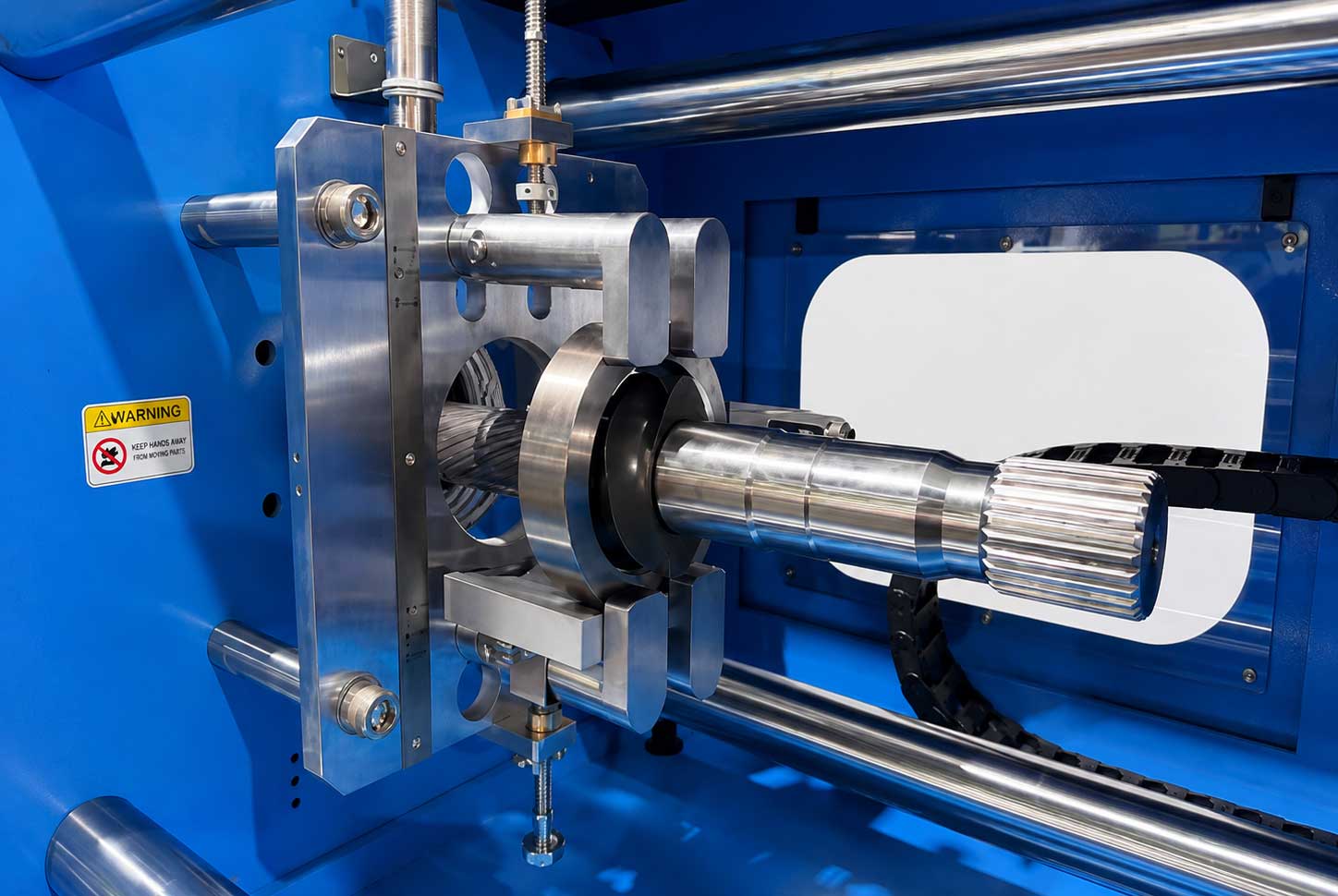
Extruder Maintenance Devices are specialized tools used to inspect, clean, dismantle, and maintain screws, barrels, cooling channels, and extrusion components. They help reduce downtime, protect precision parts, improve temperature control, and keep extrusion quality stable during long-term production.
Extruder maintenance devices are auxiliary machines used to keep extrusion equipment in stable working condition. They do not replace the extruder itself. They support the extruder by helping operators clean screws, dismantle screw elements, inspect barrel wear, restore cooling channels, and check component condition.
In a twin screw extrusion line, the screws and barrels work under heat, shear, pressure, friction, and chemical exposure. Over time, polymer residue, carbonized material, abrasive fillers, corrosion, cooling channel blockage, and mechanical wear can reduce process stability. Maintenance devices help factories find and solve these problems before they become serious production failures.
For extrusion plants, these devices are part of preventive maintenance. They help maintenance teams move from emergency repair to planned inspection and service.
Internal link: Extruder Maintenance Device
Extruder maintenance devices are important because extrusion performance depends on component condition. A good screw design cannot perform well if the screw surface is covered with residue, the barrel bore is worn, or the cooling channels are blocked.
Poor maintenance can lead to:
Unstable output
High torque
Pressure fluctuation
Poor dispersion
Black specks
Color contamination
Material degradation
Temperature drift
Screw and barrel damage
Longer changeover time
Unexpected downtime
Higher Spare Parts cost
In production, these issues often appear slowly. A line may still run, but product quality may become less stable. Regular inspection, cleaning, dismantling, and cooling system maintenance help keep the process more predictable.
Extruder maintenance devices can be grouped by the maintenance task they perform.
| Device Type | Main Function | Typical Use |
|---|---|---|
| Barrel wear measurement device | Measures inner bore wear, corrosion, ovality, and surface condition | Preventive barrel inspection |
| Screw cleaning machine | Removes polymer residue and carbonized buildup | Material change, color change, maintenance |
| Screw dismantling machine | Removes screw elements from shafts | Screw configuration change or repair |
| Cooling channel cleaning machine | Cleans and checks barrel water channels | Temperature control maintenance |
| Spare parts inspection tools | Check screw, barrel, shaft, and gearbox condition | Repair and replacement planning |
LEMIX provides five main extruder maintenance devices in this category: PROMAC-S, PROMAC-X, PRO-COOL, PRO-EASY, and PRO-CLEAN.
A barrel wear measurement device is used to inspect the inner bore of an extruder barrel. It checks whether the barrel diameter, surface condition, and wear distribution are still within a safe working range.
Barrel wear changes screw-to-barrel clearance. When clearance becomes too large or uneven, the extruder may lose conveying efficiency, pressure stability, and mixing performance. The process may show lower output, torque movement, unstable melt pressure, and inconsistent product quality.
LEMIX PROMAC-S uses inside laser equipment and a 360° rotating laser sensor to measure barrel wear, diameter changes, and inner surface condition. It is designed for preventive inspection during routine maintenance. The barrel only needs to be clean, smooth, and below 50°C before inspection.
Internal link: Barrel Wear Measurement Device PROMAC-S
PROMAC-S and PROMAC-X are both barrel wear measurement devices, but they use different inspection approaches and suit different measurement needs.
PROMAC-S is designed for 360° rotating laser inspection. It collects circumferential data around the bore and helps identify wear distribution across the inner surface. It is suitable when the factory needs a more complete wear map and detailed barrel condition analysis.
PROMAC-X is a precision instrument for measuring inner bore wear, corrosion, ovality, and surface defects in cylindrical components such as extruder barrels and material cylinders. It is useful for preventive barrel wear diagnostics in Twin Screw Extruders, single screw extruders, injection molding machine cylinders, and related equipment.
| Device | Main Inspection Method | Typical Purpose |
|---|---|---|
| PROMAC-S | 360° rotating laser inspection | Full bore condition and wear distribution analysis |
| PROMAC-X | Electronic sensor fixed-position measurement | Inner bore wear, corrosion, ovality, and surface defect checking |
Both devices support data-based maintenance decisions. They help factories decide whether the barrel can continue running, needs closer monitoring, or should be replaced.
Internal link: Barrel Wear Measurement Device PROMAC-X
A screw cleaning machine removes polymer residue, carbonized material, pigments, fillers, and contamination from extruder screws and extrusion parts.
During production, material can remain on screw roots, screw flights, die plates, breaker plates, nozzles, shafts, mandrels, and other tooling surfaces. If residue is not removed well, the next production run may face black specks, gels, color contamination, burnt particles, and unstable quality.
Traditional cleaning methods include flame burning, manual brushing, chemical cleaning, and vacuum oven cleaning. These methods may create problems such as surface scratches, hardness loss, oxidation, long cleaning time, high labor intensity, toxic smoke, or coating damage.
LEMIX PRO-COOL Screw Cleaning Machine uses non-destructive high-pressure water cleaning. It removes residue without flame burning, manual brushing, toxic smoke, or surface damage. It is suitable for screws, die plates, breaker plates, shafts, nozzles, mandrels, and other extrusion components.
Internal link: PRO-COOL Screw Cleaning Machine
Screws and extrusion components should be cleaned during planned maintenance, material change, color change, formula change, screw inspection, and before long storage. Cleaning is also needed when the process shows contamination or residue-related defects.
Common signs include:
Black specks
Burnt particles
Color streaks
Gels
Poor product appearance
Longer purging time
Strong odor
Unstable pressure
Residue on pulled screws
Difficult screw dismantling
Frequent cross-contamination
For high-value materials such as engineering plastics, pharmaceutical extrusion materials, battery compounds, powder coating, and specialty compounds, clean screws and tooling are important for reducing contamination risk.
A screw dismantling machine is used to remove screw elements from shafts during maintenance, screw configuration change, repair, or cleaning preparation.
Twin screw extruders often use modular screw elements. These elements may need to be removed when the factory changes the screw design, replaces worn elements, cleans heavily bonded components, or inspects the shaft. Manual dismantling can be slow, labor-intensive, and risky. It may also damage shafts, splines, element faces, or precision surfaces.
LEMIX PRO-EASY Screw Dismantling Machine uses hydraulic clamping and adjustable dismantling force. It supports screw element diameters from Ø30–Ø150 mm. Its universal fixture design reduces the need for complex molds or special fixtures. This helps protect shafts and screw elements during dismantling.
Internal link: PRO-EASY Screw Dismantling Machine
A water cooling channel cleaning machine is used to inspect, clean, and restore cooling water channels inside extruder barrels and related thermal control systems.
Cooling channels are important because they help control barrel temperature. If water channels are blocked, scaled, or partially restricted, the barrel may lose heat exchange efficiency. The control screen may show normal setpoints, but the real cooling response can become slower or uneven. This can cause temperature drift, unstable material behavior, and inconsistent product quality.
LEMIX PRO-CLEAN Water Cooling Channel Cleaning Machine supports online detection of water channel volume, flow rate, and leakage without dismantling the barrel. It can clean and dredge channels, support simultaneous cleaning of 4 barrels, and generate automatic test reports.
Internal link: PRO-CLEAN Water Cooling Channel Cleaning Machine
Extruder maintenance devices help prevent many common process and quality problems.
| Problem | Related Maintenance Device | Why It Helps |
|---|---|---|
| Black specks | PRO-COOL | Removes carbonized residue and old polymer |
| Poor temperature control | PRO-CLEAN | Restores cooling channel flow and heat exchange |
| Barrel wear | PROMAC-S or PROMAC-X | Measures bore wear, corrosion, ovality, and defects |
| Difficult screw element removal | PRO-EASY | Uses hydraulic dismantling to protect shafts and elements |
| Unstable output | PROMAC-S, PRO-CLEAN, PRO-COOL | Checks wear, cooling, and residue-related causes |
| Color contamination | PRO-COOL | Cleans screws and tooling after color change |
| High torque | PROMAC-S, PRO-CLEAN | Helps find wear, heat buildup, or blocked cooling causes |
| Longer downtime | PRO-EASY, PRO-COOL | Speeds up dismantling and cleaning work |
These devices do not replace good process control. They support it by keeping the mechanical and thermal system in better condition.
Extruder maintenance devices are useful in most extrusion industries, but they are especially important where materials are abrasive, sticky, heat-sensitive, high-value, or difficult to clean.
Common applications include:
Plastics and elastomers
PEEK and special engineering plastics
TPE and TPU
Soft PVC
PVC cable compounds
WPC compounds
Thermoset compounds
Bio-plastics
XLPE cable compounds
Pharmaceutical extrusion
Powder coating
Battery compounds
Energetic materials extrusion
Food plant-based meat extrusion
Each industry has different maintenance risks. Engineering plastics may require high temperature and strong cleaning. TPE/TPU may need careful residue and color change control. Thermoset materials may cure inside the screw channel if maintenance is delayed. PVC cable compounds and XLPE compounds may require stable temperature control. Battery materials and pharmaceutical extrusion need strong contamination control.
Internal link: Industry Applications
High-filler materials increase maintenance demand because fillers and fibers create abrasion, friction, and residue buildup.
Materials such as glass fiber, carbon fiber, mineral filler, quartz powder, aluminum hydroxide, flame retardant, ceramic powder, and conductive additives can wear screw elements and barrel liners. High filler loading can also increase torque and heat generation.
When these materials are processed for long periods, the factory should pay more attention to:
Screw surface condition
Barrel bore wear
Cooling channel efficiency
Residue buildup
Screw element tightness
Discharge part wear
Cleaning frequency
Spare parts planning
Barrel wear measurement and non-destructive screw cleaning become more valuable in these applications because small mechanical changes can affect output and product quality.
Pharmaceutical extrusion needs clean equipment, stable process data, and reliable component condition. In hot melt extrusion, APIs, polymers, and excipients are processed under controlled heat and shear. Residue, poor cleaning, temperature drift, or worn components can affect product quality.
Maintenance devices help pharmaceutical extrusion by supporting:
Cleaner screws and tooling
Reduced cross-contamination risk
More stable temperature control
More predictable residence time
Better inspection records
Safer component dismantling
Preventive maintenance planning
For GMP-related production, the maintenance strategy should also align with cleaning validation, equipment records, batch traceability, and quality review.
Internal link: Pharmaceutical Extrusion
The correct maintenance interval depends on the material, output, screw speed, temperature, filler loading, color change frequency, cleaning difficulty, and quality requirement.
A line processing clean, low-abrasion polymers may need longer inspection intervals. A line processing glass fiber, mineral filler, high-temperature polymers, PVC compounds, thermoset materials, powder coating, or battery compounds may need more frequent maintenance.
A practical maintenance plan can use three levels:
| Maintenance Level | Typical Timing | Main Action |
|---|---|---|
| Routine cleaning | After material change or planned shutdown | Clean screws, dies, plates, and tooling |
| Scheduled inspection | Monthly, quarterly, or based on running hours | Check barrel wear, cooling channels, screw condition |
| Condition-based maintenance | When process data changes | Inspect causes of torque, pressure, output, or quality drift |
The best interval should be based on process data and actual component condition, not only a fixed calendar date.
Maintenance records help connect equipment condition with production quality. They also help factories plan spare parts and avoid repeated troubleshooting.
Useful records include:
Material processed
Running hours
Screw configuration
Screw cleaning date
Cleaning method
Residue condition
Barrel wear measurement result
Cooling channel flow result
Screw dismantling notes
Replaced parts
Torque trend before maintenance
Pressure trend before maintenance
Product defect type
Maintenance action
Restart performance
When the same line later shows similar issues, these records help the team identify the likely cause faster.
A factory should choose maintenance devices based on the main risk in its extrusion line.
| Main Risk | Recommended Device |
|---|---|
| Frequent color or material change | PRO-COOL Screw Cleaning Machine |
| Difficult screw element removal | PRO-EASY Screw Dismantling Machine |
| Output loss or suspected barrel wear | PROMAC-S or PROMAC-X Barrel Wear Measurement Device |
| Temperature drift or cooling instability | PRO-CLEAN Water Cooling Channel Cleaning Machine |
| High-filler or abrasive materials | PROMAC-S, PRO-COOL, and wear-resistant spare parts |
| Strict contamination control | PRO-COOL and planned cleaning procedure |
| Long-term preventive maintenance | PROMAC-S, PROMAC-X, PRO-CLEAN, and maintenance records |
The right choice depends on the process material, maintenance bottleneck, product value, downtime cost, and quality risk.
LEMIX supports extrusion maintenance through dedicated maintenance devices, spare parts, and extrusion process knowledge.
The maintenance device range includes:
PROMAC-S Barrel Wear Measurement Device
PROMAC-X Barrel Wear Measurement Device
PRO-COOL Screw Cleaning Machine
PRO-EASY Screw Dismantling Machine
PRO-CLEAN Water Cooling Channel Cleaning Machine
LEMIX also supplies screw elements, barrels, shafts, gearboxes, twin screw extruders, lab type extruders, GMP extrusion systems, particle inspection systems, and technical service. This makes it possible to support both production equipment and long-term maintenance planning.
Internal links:
Extruder maintenance devices are used to inspect, clean, dismantle, and maintain the critical parts of extrusion lines. They help protect screws, barrels, cooling channels, tooling components, and process stability.
For factories that process engineering plastics, elastomers, PVC compounds, thermosets, bio-plastics, pharmaceutical materials, powder coatings, battery compounds, and food extrusion materials, maintenance devices can reduce downtime and improve quality consistency.
LEMIX extruder maintenance devices help factories build a more preventive maintenance system. PROMAC-S and PROMAC-X support barrel wear inspection. PRO-COOL supports non-destructive screw and component cleaning. PRO-EASY supports safer screw dismantling. PRO-CLEAN supports cooling channel inspection and cleaning. Together, these devices help keep extrusion lines cleaner, safer, and more stable over long-term production.